Dynova
The demand for cutting-edge technology continues to rise. Organizations are increasingly seeking high performance AI server manufacturers. These manufacturers play a crucial role in driving advancements in artificial intelligence. They provide the necessary hardware to support complex algorithms and large datasets.
In 2026, the landscape for AI server manufacturers will be more competitive than ever. Companies must navigate this rapidly evolving environment. Selecting the right manufacturer can be challenging. Factors such as reliability, performance, and support must be considered. Many companies face difficulties in distinguishing the best providers due to overwhelming choices.
As we explore the top high performance AI server manufacturers, we will highlight the qualities that set them apart. Each manufacturer presents unique strengths and challenges. Understanding these can aid businesses in making informed decisions. Choosing wisely today will influence tomorrow's innovations. Finding a reliable partner in this space is essential for success.
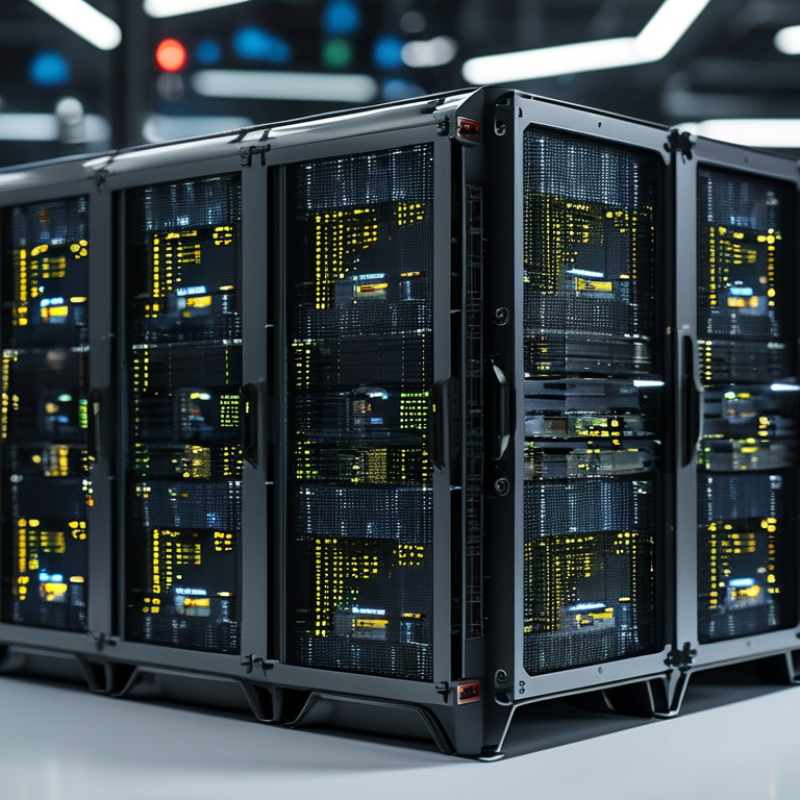
High-performance AI servers have become vital in the digital landscape. Their ability to process vast amounts of data quickly is crucial for organizations aiming to maintain a competitive edge. According to the International Data Corporation (IDC), the global AI server market is projected to reach $37.5 billion by 2026, reflecting a 24.8% compound annual growth rate from previous years. This surge underscores the importance of powerful servers in training complex algorithms and executing machine-learning tasks.
The efficiency of AI servers directly impacts research and development speeds. For example, Nvidia reports that their latest GPUs can deliver over 40 teraflops of processing power. This capability is essential as models like GPT-3 require extensive computational resources to train effectively. However, many organizations grapple with the high costs and the need for proper infrastructure. It's not uncommon for companies to struggle with latency and energy consumption, highlighting areas needing improvement. Investing in high-performance AI servers is not just about upgrading hardware; it’s about reshaping data strategies and operational efficiency. Emphasizing these aspects can lead to breakthroughs in AI applications across multiple sectors.
When choosing a high-performance AI server manufacturer, several key features stand out. Reliable thermal management is crucial. According to an industry report by Gartner, effective cooling systems can enhance server longevity by up to 30%. Without proper temperature regulation, servers can fail, impacting performance significantly.
Scalability is another important aspect. A flexible architecture can accommodate growing workloads. Research from IDC reveals that organizations expect AI workloads to double every two years. Thus, manufacturers must offer solutions that easily upgrade processing power and storage.
Tip: Evaluate each manufacturer's support options. Robust customer service can save time and resources during critical moments in project development.
Lastly, consider the AI-optimized infrastructure. This includes GPUs that support parallel processing, crucial for deep learning tasks. A recent study highlighted that organizations using AI-optimized servers observed performance improvements of over 40% in training speeds. Always assess how well a server can execute complex algorithms and handle data demands.
Tip: Stay updated on industry trends to make informed decisions. Regularly reviewing reports can help identify emerging features and technologies.
The AI server market is seeing explosive growth. According to a recent industry report, the market is projected to reach $30 billion by 2026, driven by increasing AI workloads. This surge highlights the importance of finding the right high-performance AI server manufacturers.
Top players in this space are focusing on energy efficiency and performance. As machine learning models grow in complexity, the need for powerful servers becomes critical. Many manufacturers are now offering solutions that balance processing power with lower energy consumption. However, not all systems are created equal. Some may lack the necessary scalability or support for advanced AI frameworks.
Industry experts emphasize the importance of evaluating server architecture and compatibility. A report from a leading tech analyst indicated that up to 40% of AI projects fail due to hardware limitations. Organizations should consider future growth potential while selecting a server. Ensuring the right infrastructure can make a significant difference. Thus, ongoing assessment and adaptation will be key for businesses in the evolving landscape of AI.
| Manufacturer | Market Share (%) | Main Product Line | Key Features | Target Industries |
|---|---|---|---|---|
| Manufacturer A | 25% | AI-Optimized Servers | High Scalability, Energy Efficient | Finance, Healthcare |
| Manufacturer B | 20% | Deep Learning Systems | GPU Acceleration, High Throughput | Retail, Telecommunications |
| Manufacturer C | 15% | Edge AI Servers | Low Latency, Compact Design | Manufacturing, Transportation |
| Manufacturer D | 30% | Cloud AI Infrastructure | Flexible Deployment, Cost-effective | Education, Government |
In the ever-evolving landscape of AI servers, performance metrics have become crucial. Key areas such as processing power, memory speed, and energy efficiency often define the finest models. When selecting an AI server, understanding these metrics can prevent costly missteps.
One tip is to evaluate your specific workload needs. Different tasks demand varying levels of resources. High throughput for data-heavy applications might need a server with a powerful GPU. A server optimized for low latency could be better for real-time processing situations. Assessing your requirements can streamline your choice.
Comparative analysis of leading brands shows notable differences. Some excel in graphics processing, while others shine in general-purpose computing. Components like CPU architecture and cooling solutions significantly impact overall performance. Design flaws can also hinder efficiency. Customers should scrutinize user reviews, paying attention to recurrent issues. This reflective approach aids in making informed decisions.
As AI technology advances, manufacturers in the server industry are adapting to meet new demands. The global AI server market was valued at approximately $4.6 billion in 2022 and is expected to reach $15.5 billion by 2026, according to industry reports. This shift underscores the need for high-performance AI servers capable of processing large datasets efficiently.
Key strategies among manufacturers include leveraging cutting-edge hardware and optimizing software frameworks. Enhanced GPU capabilities are becoming essential. A report from a leading analytics firm predicted that 80% of new AI workloads by 2025 would require GPUs. Many companies are exploring energy-efficient designs to address rising operational costs. Sustainability is becoming a major factor in product development.
Tips: Always look for servers that provide flexibility in architecture. Modular designs can enhance scalability.
Moreover, some manufacturers grapple with supply chain challenges, which can hinder progress. The semiconductor shortage has forced many to rethink their production strategies. As manufacturers pivot, keeping an eye on emerging technologies like quantum computing may offer insights into future capabilities in the AI server landscape.
Tips: Regularly assess your AI needs. Future-proofing your infrastructure can save costs long-term.
I server longevity?
Scalability allows systems to accommodate growing workloads. AI workloads are expected to double every two years.
Assess each manufacturer’s customer support options. Good service saves time during critical project development phases.
GPUs are vital for parallel processing. They significantly boost training speeds for deep learning tasks.
The market was valued at $4.6 billion in 2022 and could reach $15.5 billion by 2026.
They are leveraging advanced hardware and optimizing software frameworks for better performance.
Energy-efficient designs are critical to manage rising operational costs, promoting sustainability in product development.
The semiconductor shortage has affected production strategies and may hinder technological progress.
Regularly assess AI needs and opt for flexible, modular designs to enhance scalability.
Staying informed helps identify emerging features and technologies to make better server purchasing decisions.
The "2026 Best High Performance AI Server Manufacturers Guide" provides an insightful overview of the critical role that high-performance AI servers play in today's technology landscape. These servers are essential for handling complex computations and large datasets, making their importance increasingly pronounced as AI applications grow. Key features to consider when evaluating high performance AI server manufacturers include processing power, scalability, energy efficiency, and support for advanced AI frameworks.
The guide also highlights the top players in the AI server market, offering an industry overview and discussing the competitive landscape. A comparison of performance metrics among leading brands gives readers a clearer understanding of the strengths and weaknesses of various options available. Additionally, future trends and manufacturer strategies are explored, providing a glimpse into how the industry may evolve and adapt to emerging technologies, ensuring that organizations can make informed decisions when choosing a high performance AI server manufacturer.