Dynova
Dynova
Dynova

A comprehensive analysis of global routing architectures, deployment criteria, and market progression within high-density environments.
In the contemporary digital economy, the exponential rise of artificial intelligence, high-performance computing (HPC), and 5G telecommunication infrastructures has forced a paradigm shift in how global enterprises evaluate networking architecture. Modern switches are no longer basic Layer-2 bridges; instead, they serve as the computational backbone of modern hyper-scale infrastructures. Globally, the network switch market is divided between legacy chassis-based switches and high-speed modular leaf-spine designs, pushing rates from 10G/40G up to 100G, 400G, and even 800G transmission speeds.
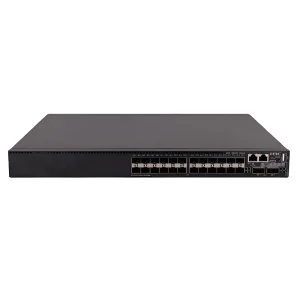
Whether routing traffic within deep learning training clusters or ensuring latency control within robotic assembly configurations, procurement departments face complex decisions regarding ASIC architecture, OS flexibility, and power efficiency. High-performance models like the H3C S6520X-30QC-EI utilize advanced non-blocking silicon configurations to provide non-oversubscribed line-rate routing across intensive 10G/40G environments. Understanding global export regulations, interoperability standards, and processing architectures is critical for operations directors seeking scalable technology deployment.
Moving away from traditional 3-tier topologies, modern data centers rely on ultra-low latency Spine-Leaf designs to maximize horizontal, east-west data transmission efficiency.
Industrial IoT networks demand combinations of 1G/2.5G/10G Copper ports alongside 40G/100G optical uplinks, allowing seamless local area device aggregation.
Decoupling physical hardware from management planes enables programmatic network control, dynamic load-balancing, and secure virtual encapsulation protocols.
How Chinese supply chains drive competitive advantages through integrated component sourcing, rapid prototyping, and automated testing.
The manufacturing ecosystem in China stands as an industry leader for high-performance hardware assembly, combining component availability with advanced surface-mount technologies (SMT). In switch manufacturing, this ecosystem brings together raw PCB fabricators, ASIC packaging plants, high-frequency optical transceiver providers, and automated assembly plants into close proximity. This high density of suppliers reduces lead times, cuts logistics costs, and allows for rapid customization cycles.
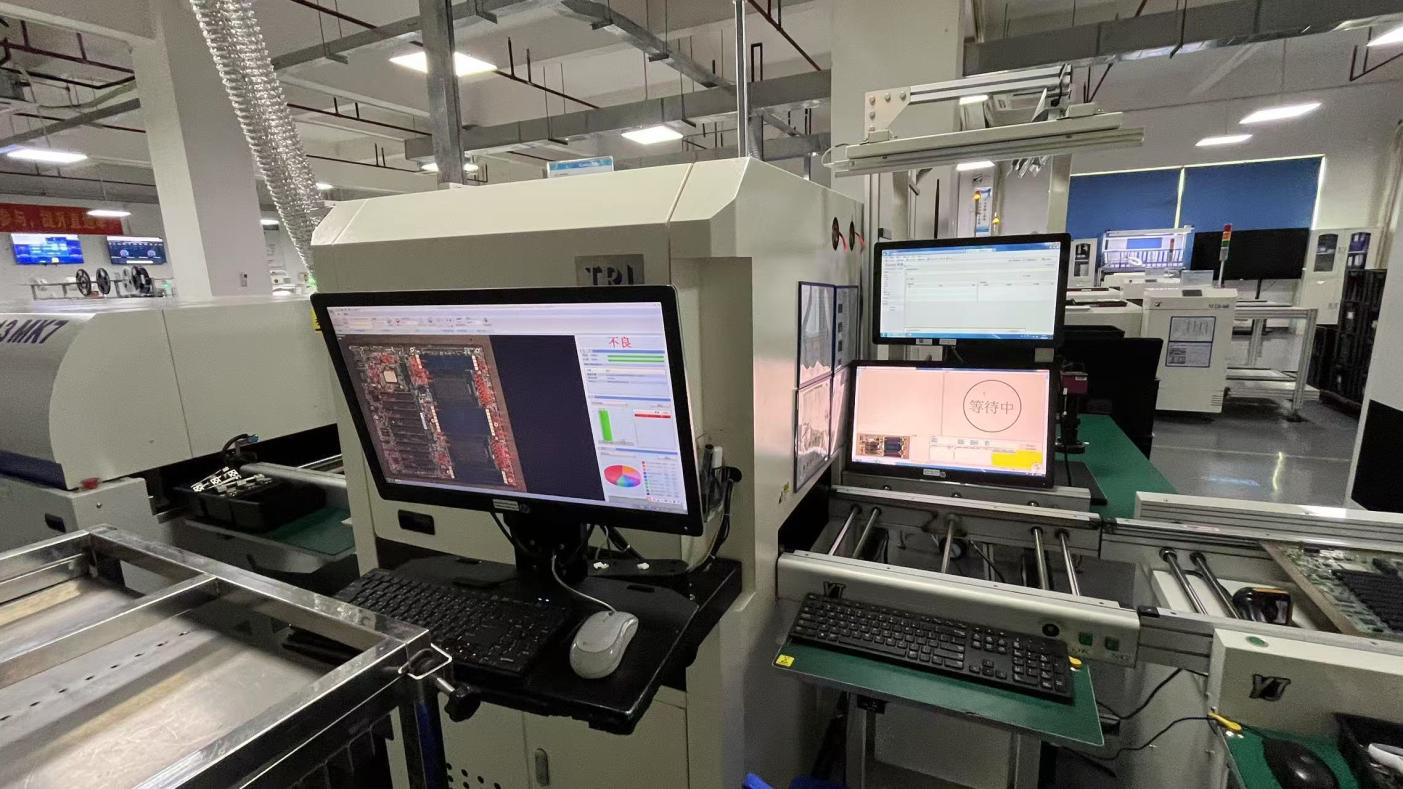
By leveraging advanced optical alignment, high-frequency signal simulation, and automated optical inspection (AOI), Chinese switch factories consistently meet stringent ISO-9001 and ISO-14001 certification standards. In addition, the integration of advanced test processes—including thermal chamber cycling and prolonged high-load aging tests—guarantees that export-grade switches can perform reliably in demanding environments, from high-temperature manufacturing floors to high-density server cabinets.
Founded in 2017, Dynova AI Systems Inc. is a professional manufacturer specializing in high-performance AI GPU servers, GPU workstations, and customized computing infrastructure for AI training, AI inference, HPC, cloud computing, and enterprise data centers. We are dedicated to delivering reliable, scalable, and energy-efficient computing solutions to customers worldwide.
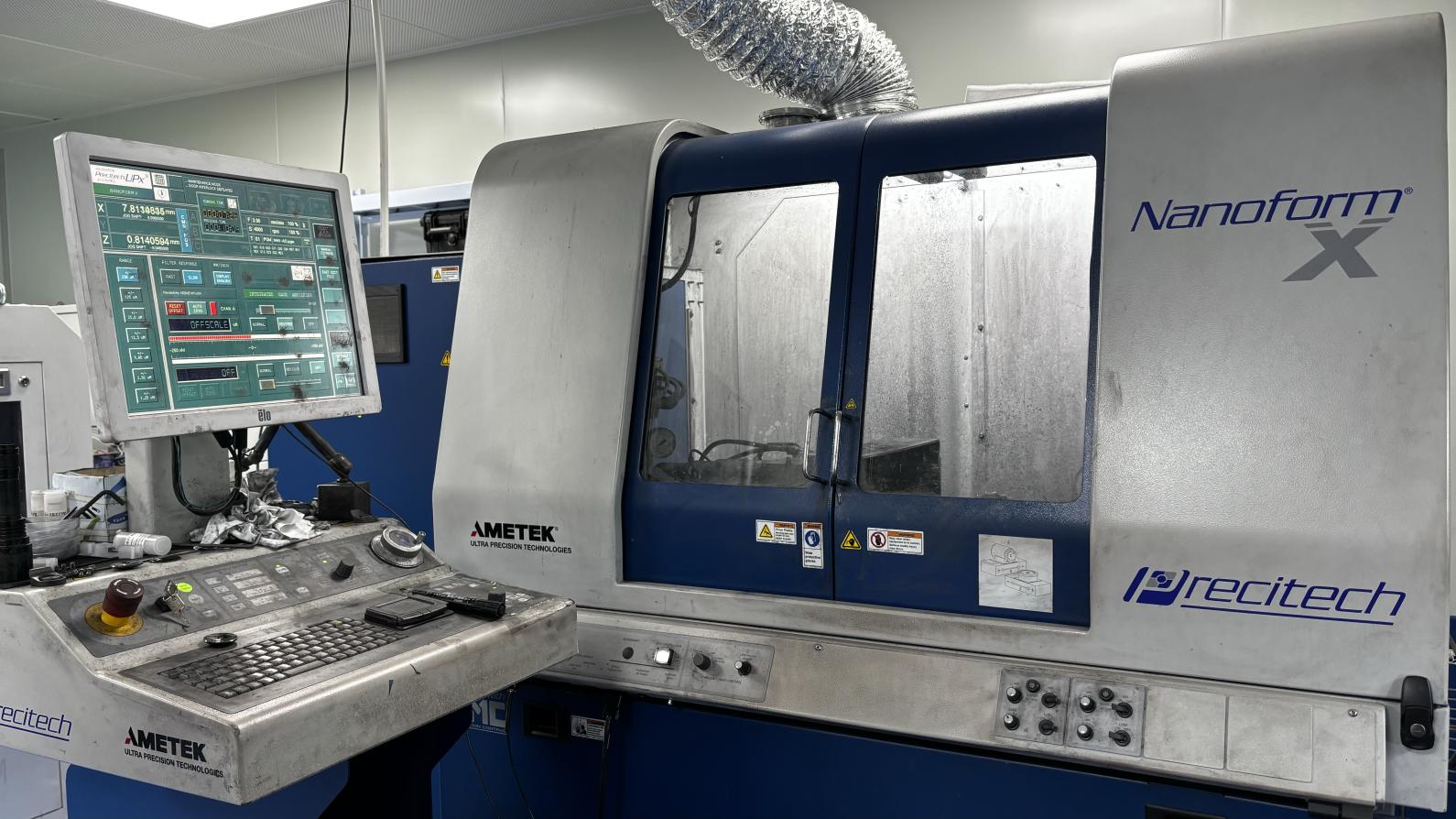
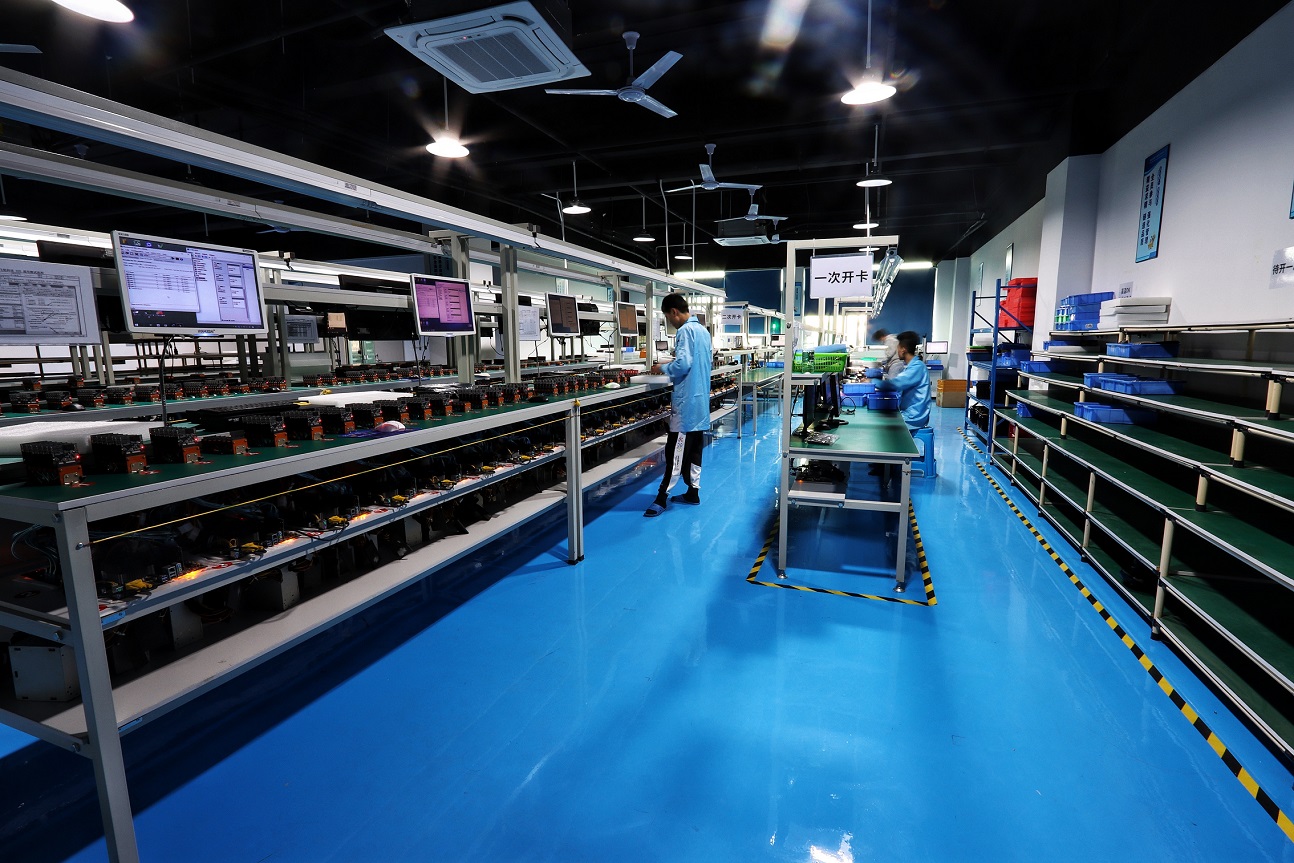
Our production facilities span 23,800 m², integrating advanced assembly lines, aging test laboratories, and rigorous quality control processes to ensure every server meets international standards. Supported by 8 years of export experience and 9 years of industry expertise, we consistently invest in research and development to build innovative platforms compatible with leading accelerator technologies.
Our experienced engineering team enables flexible ODM and OEM services, allowing customers to customize CPU platforms, GPU configurations, memory, storage, networking interfaces, chassis designs, cooling systems, branding, and software integrations. To maintain high standards, a dedicated quality assurance team of 58 inspectors performs 100% functional, burn-in, thermal, compatibility, and reliability testing before shipment.
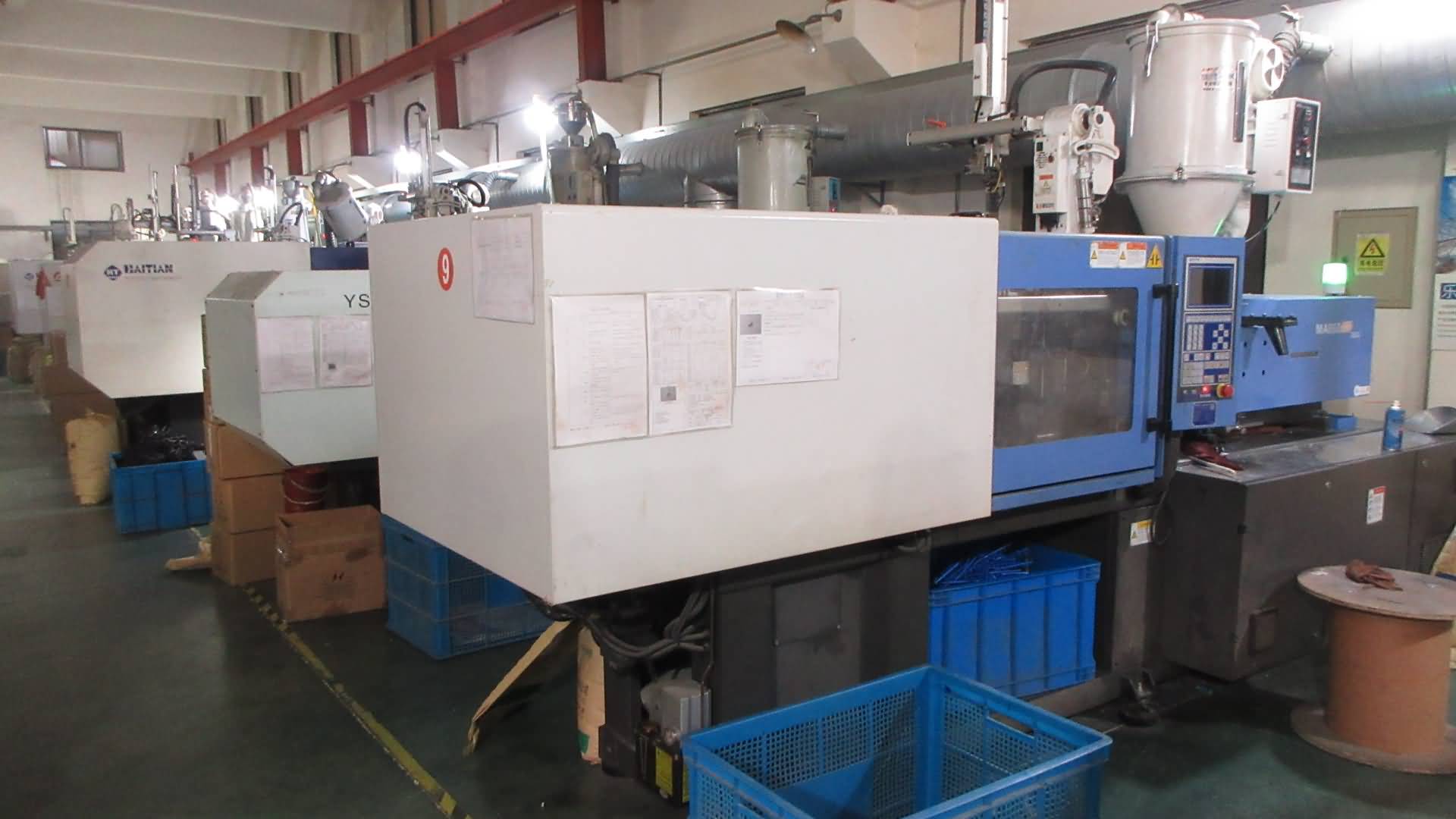
Explore our state-of-the-art facilities, modern assembly units, and high-density storage divisions. Every stage of fabrication, testing, and shipping is monitored to guarantee consistent, enterprise-grade reliability.
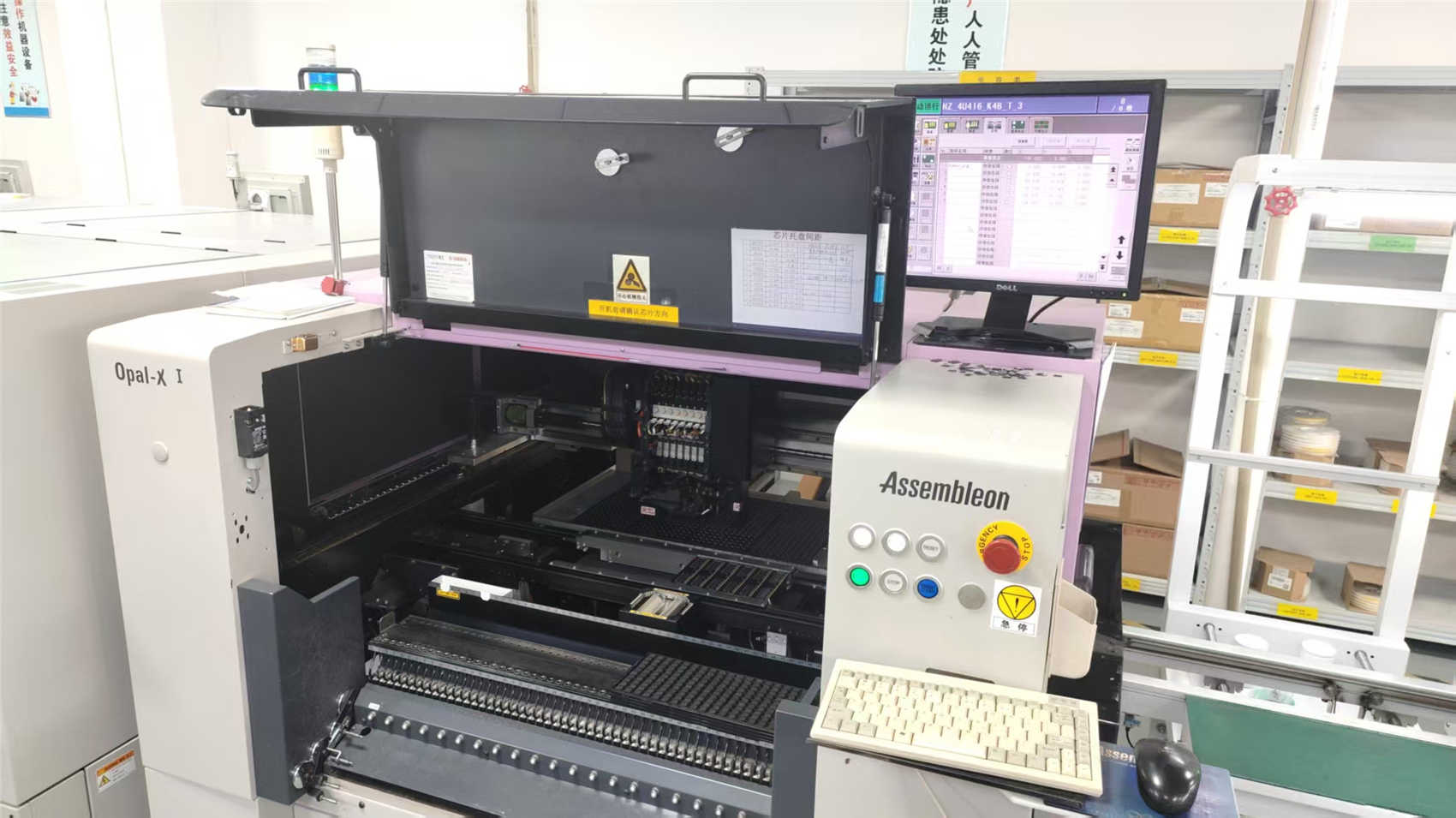
Analysis of network routing architectures and high-density environments within commercial and industrial deployments.
Enterprise and industrial networking demands vary significantly by application environment. In industrial automation, network switches must be ruggedized to withstand electromagnetic interference (EMI), ambient temperature variations, and mechanical vibration. They provide the deterministic Ethernet communication required for real-time PLCs and high-speed multi-axis motion controllers. Conversely, enterprise environments prioritize high-density Layer-3 routing, extensive Quality of Service (QoS) controls, and fine-grained access control list (ACL) support to secure diverse user populations.
Looking ahead, the network switch market is moving rapidly toward co-packaged optics (CPO), Silicon Photonics, and ultra-low-latency protocols like Remote Direct Memory Access over Converged Ethernet (RoCE v2). As AI training clusters expand, standard Ethernet is evolving to provide the predictable routing and congestion control traditionally handled by InfiniBand fabrics. This transition allows high-performance Ethernet switches to serve as key building blocks for next-generation deep learning networks.
Rugged switch enclosures, DIN-rail mounting options, and fast ring recovery protocols (ERPS) keep critical factory production lines running without single-point network failures.
Ultra-low-latency 400G and 800G switches run RoCE v2, minimizing communication delays between GPU servers to optimize large language model (LLM) training workloads.
Multi-port PoE+ (Power over Ethernet) switches provide clean power and high-speed data connectivity to Wi-Fi 6/7 access points, IP surveillance systems, and VoIP networks.
A technical guide for system integrators and IT buyers to streamline multi-vendor hardware deployments.
When procurement departments purchase network switches and enterprise servers, compatibility is critical. Sourcing from OEM/ODM partners requires a clear understanding of optical transceiver coding, backplane bandwidth, and software support (such as SONiC, ONIE, or proprietary operating systems). Enterprise networks often integrate components from multiple vendors, requiring hardware to interoperate seamlessly across standard protocols like LACP, OSPF, BGP, and MSTP.
Additionally, hardware must meet target region certifications, such as CE, FCC, RoHS, and UL, to ensure safe and legal deployment. Establishing robust Service Level Agreements (SLAs) with manufacturers guarantees access to critical firmware updates, security patches, and hardware replacements, reducing total cost of ownership (TCO) and extending system lifespans.

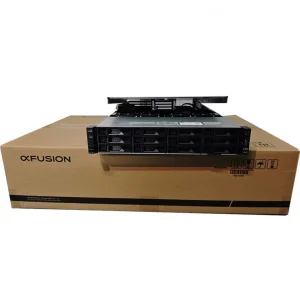
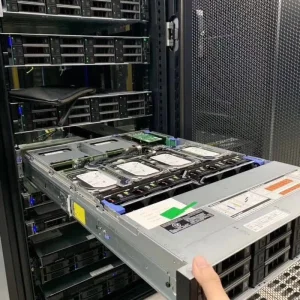

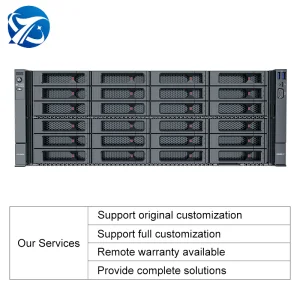
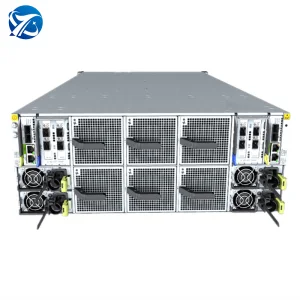

Essential insights on integration, hardware protocols, specifications, and manufacturing options.