Dynova
In the rapidly evolving landscape of artificial intelligence, selecting the right AI server hardware manufacturer is a crucial decision for businesses. According to a recent report from Gartner, the global AI server market is expected to reach $61 billion by 2025, indicating significant growth. As AI applications become more demanding, the right hardware choices will directly impact performance and efficiency.
Dr. Emily Roberts, an AI infrastructure expert, emphasizes, "Choosing the right manufacturer can make or break your AI strategy." This statement highlights the importance of evaluating potential suppliers on criteria such as reliability, scalability, and support. Many manufacturers provide advanced hardware features, but the variability in quality can lead to challenges.
Professionals should also consider the long-term value and expertise of manufacturers. It is not just about initial costs; ongoing support and innovation are key. Additionally, the choices can feel overwhelming given the rapid pace of technological change. Reflecting on past decisions can reveal valuable insights into this complex industry.
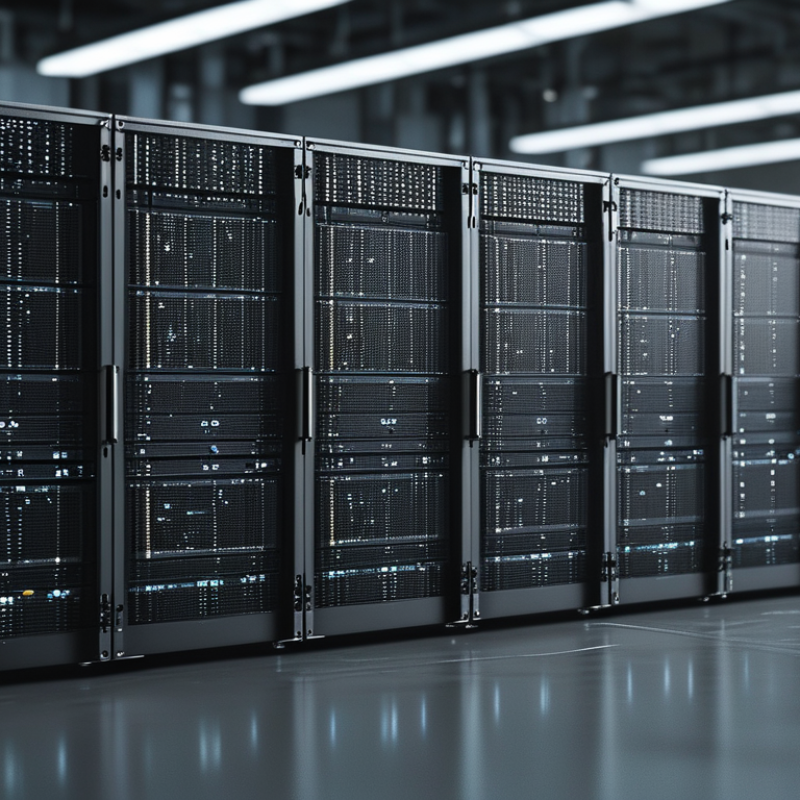
Artificial Intelligence (AI) is transforming modern computing, necessitating specific hardware tailored for its demands. The right AI server hardware fundamentally impacts performance and efficiency. It processes vast amounts of data quickly, enabling real-time analytics and decision-making. High processing power is essential for machine learning algorithms, which require significant computational resources.
Tips: When selecting AI server hardware, consider the workload. Analyze the data types and processing requirements. Understanding your needs helps choose suitable components. Balance cost with performance for optimal results. Seek guidance from experts when in doubt, as informed choices lead to better outcomes.
Investing in reliable hardware fosters stability. Costly downtime can occur with inadequate components. Look for proven performance histories in hardware models. Consider scalability, as future needs may grow. Hardware that lacks flexibility could lead to expensive upgrades later. Select components that can adapt to evolving AI workloads, ensuring long-term value.
Choosing the right AI server hardware manufacturer requires careful consideration. One key aspect is understanding your specific needs. Evaluate the types of AI workloads you plan to run. Different AI applications, whether deep learning or data analytics, demand varying hardware capabilities. Reports indicate that businesses have reduced costs by 30% by selecting the right hardware configuration.
Another important factor is the manufacturer's reputation. Research their industry standing and track record. Consistent delivery and reliability can significantly impact your overall operations. According to industry surveys, over 70% of companies reported that choosing a reputable manufacturer improved their system uptime.
It's also vital to assess the support services offered. The complexity of AI server hardware means that issues may arise. A manufacturer with strong technical support can help resolve problems quickly. Approximately 60% of firms identified quick issue resolution as crucial in their decision-making process. Balancing these elements is not straightforward but is necessary for effective investment.
When evaluating AI hardware solutions, performance metrics are crucial. These metrics help determine if a manufacturer meets the demands of specific applications. Industry benchmarks play a significant role here. According to a report from Gartner, companies investing in AI server hardware can see performance improvements of up to 300% compared to traditional systems. This makes understanding these benchmarks vital for effective decision-making.
Another important metric is energy efficiency. A white paper from the International Data Corporation (IDC) highlights that efficient AI hardware can reduce energy consumption by up to 40%. This factor is not just about cost savings; it reflects the environmental impact. Many organizations now consider sustainability an essential element in their hardware choices.
However, benchmarks are not one-size-fits-all. They vary by application, making it essential to analyze specific needs carefully. Some metrics might not highlight performance in real-world scenarios. For instance, a system may excel in synthetic benchmarks but struggle with practical workloads. This discrepancy can lead to mismatched expectations. Evaluating hardware requires careful consideration of actual usage and not just theoretical bests. It's a complex landscape where precision in your criteria is necessary.
When choosing AI server hardware, cost-effectiveness is crucial. Price versus performance often drives decision-making. A powerful server may boost AI task efficiency, but it can also break the budget. Careful assessment of needs helps avoid overspending.
High performance often demands higher costs. For example, specialized GPUs are essential for many AI workloads. However, not all projects require top-tier components. Balancing the project’s requirements against available budget is vital. Consider longevity; cheaper components may need replacement sooner.
It's important to look beyond initial costs. Ongoing maintenance and energy consumption impact total expenditure. Reflect on how much performance you truly need. Sometimes, mid-range options provide better value over time. Don't rush decisions; thorough research leads to informed choices.
As businesses increasingly rely on artificial intelligence, the choice of AI server hardware manufacturers becomes crucial. Organizations must explore trends that shape the industry. Understanding innovations is essential. Some manufacturers focus on energy efficiency, while others prioritize processing power. Both factors play a significant role in AI performance.
Many leading companies are investing heavily in research and development. They aim to improve thermal management and reduce latency in AI servers. Innovations like liquid cooling systems are emerging. These systems enhance performance while keeping environments environmentally friendly. However, not all advancements are easily embraced by every organization. Some businesses may struggle with implementation.
Reliability remains a key concern. Even with advanced features, hardware must function consistently. Potential buyers should assess long-term support and service availability. In the fast-evolving AI space, manufacturers must adapt. It's a challenge that many face. Identifying which innovations translate into real-world performance can be daunting. Each company's unique needs add to the complexity. Choosing wisely requires reflection and careful evaluation.
I server hardware in modern computing?
Analyze your workload requirements, including data types and processing demands.
High processing power is essential for machine learning algorithms that require significant computational resources.
Balance the project's needs with your budget to avoid overspending on unnecessary components.
Reliable hardware reduces costly downtime and provides stability in performance.
Hardware that can adapt to evolving workloads ensures long-term value and reduces future upgrade costs.
Not all projects require top-tier components; mid-range options may provide better value over time.
Maintenance and energy consumption impact the total cost of ownership over time.
While specialized components enhance efficiency, they can also strain your budget, so evaluate needs wisely.
Rushing decisions without thorough research can lead to choices that may not suit your long-term requirements.
Choosing the right AI server hardware manufacturer is crucial for leveraging the full potential of artificial intelligence in modern computing. Understanding the significance of high-performance hardware tailored for AI is the first step. Key considerations include evaluating the manufacturer's experience, reputation, and technological innovations that align with the specific needs of AI applications.
When assessing potential manufacturers, performance metrics play a vital role; benchmarking AI hardware solutions can provide insights into capabilities and efficiency. Additionally, organizations should carefully analyze cost-effectiveness by comparing price and performance, ensuring they invest in systems that deliver optimal value. Lastly, staying informed about industry trends and innovations helps in selecting an AI server hardware manufacturer that can provide future-proof solutions to meet evolving demands.
