Dynova
The global demand for AI solutions is reshaping the landscape for OEM AI server manufacturers. According to a recent Market Research Future report, the AI server market is expected to grow from $3.5 billion in 2021 to over $30 billion by 2028. This explosive growth reflects the increasing reliance on AI technologies across various sectors. Renowned industry expert Dr. Emily Choi states, "The right OEM AI server manufacturer can significantly enhance operational efficiency for businesses."
Buyers now seek reliable partners who can deliver customized solutions. This trend emphasizes the need for manufacturers to adapt their offerings swiftly. In addition, the competition among OEM AI server manufacturers is intensifying. Many strive to differentiate themselves through innovation and service quality. However, not all players maintain the same level of expertise or reliability.
Some manufacturers may promise high performance but fail to deliver consistently. This inconsistency raises concerns for buyers. It urges them to scrutinize potential partners thoroughly. In this fast-paced market, selecting the right OEM AI server manufacturer is crucial for future success.
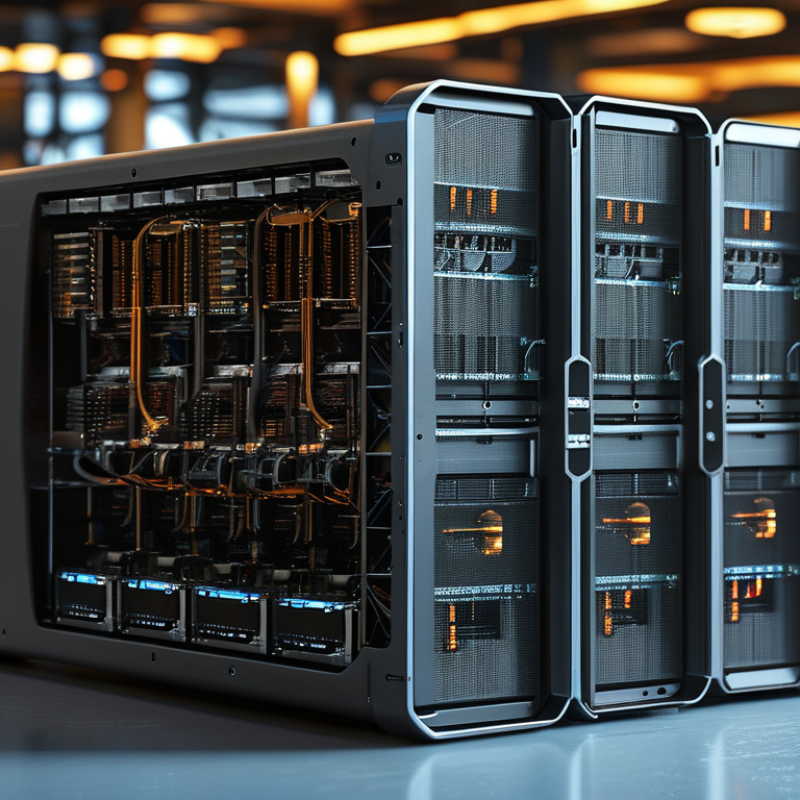
The OEM AI server manufacturing landscape is evolving rapidly. Recent reports highlight a projected growth of over 30% in market demand by 2025. This surge is driven by the increased utilization of artificial intelligence across various sectors. Industries such as healthcare, finance, and automotive are leading this demand, seeking robust server solutions.
Significantly, global supply chain constraints continue to pose challenges. Manufacturers face rising raw material costs and component shortages. Industry experts suggest that while advances in technology enhance production capabilities, the pace of innovation often outstrips supply chain adjustments. Companies must adopt agile practices to remain competitive amidst these fluctuations.
Additionally, the focus on energy efficiency is crucial. Research indicates that energy-efficient AI servers can reduce operational costs by up to 20%. This highlights the need for manufacturers to incorporate sustainable practices. Yet, achieving this balance between performance and eco-friendliness remains a complex issue. As demand grows, the challenge lies in aligning quality with sustainability objectives.
When considering OEM AI servers, several key features stand out for global buyers. Scalability is crucial. A report by Gartner indicates that the global AI market is expected to hit $190 billion by 2025. Servers need to handle increasing workloads efficiently. The capability to scale up performance without major hardware changes is a significant advantage. Flexibility in system configuration can also cater to diverse AI workloads.
Another important aspect is energy efficiency. Research from the International Energy Agency suggests that data centers consume about 2% of the world's electricity. Therefore, choosing servers designed to minimize power usage is essential. Effective cooling systems and low-power components can substantially reduce operational costs. This not only benefits the environment but also enhances long-term reliability.
Finally, support and reliability matter. A robust warranty and responsive customer service can save significant downtime. Buyers should seek manufacturers that provide clear service level agreements. The balance of cost and quality is sometimes difficult to manage. It’s worth reflecting on how the total cost of ownership can vary beyond just the purchase price. Making informed decisions based on reliable data can lead to better investment outcomes.
The AI server market is evolving rapidly. According to recent industry reports, the demand for AI servers is projected to grow at a staggering CAGR of 30% over the next five years. This surge is mainly driven by the increasing need for advanced data processing capabilities. Global manufacturers are racing to provide innovative solutions tailored to various industries, from healthcare to automotive.
Key manufacturers in the AI server landscape emphasize customization. Many companies are investing heavily in R&D to create high-performance, energy-efficient servers. Efficiency is crucial; many buyers prioritize energy consumption. Reports indicate that a 10% reduction in power usage can significantly lower operational costs over time. These manufacturers must balance performance and energy efficiency, which is not always straightforward.
Market dynamics also reveal the importance of supply chain stability. Some manufacturers struggled with semiconductor shortages in the past year. This led to delays in production and affected their reputation. Continuous feedback from clients helps manufacturers improve offerings, but they face challenges in scalability. Addressing these issues is critical. Buyers should engage with manufacturers who show adaptability and value client insights.
Partnering with OEM AI server manufacturers can bring significant advantages for global buyers. These manufacturers offer tailored solutions that align with specific business needs. They possess deep expertise in AI technologies, ensuring optimized performance and reliability. By leveraging their specialized knowledge, organizations can access cutting-edge innovations that enhance their operational efficiencies.
One major benefit of working with OEM manufacturers is cost-effectiveness. They provide flexible pricing models and scalable solutions, allowing companies to invest wisely. Global buyers can also take advantage of faster deployment times. With streamlined production processes, these manufacturers can deliver AI servers quickly. This accelerates the time to market for new applications and services. However, buyers must carefully assess the terms of the partnership. Flexibility and support should align with their long-term goals.
The quality assurance practices of OEM manufacturers are often robust. They adhere to high standards in production, resulting in reliable products. Yet, not all manufacturers are the same. Some may lack the necessary certifications or support systems, resulting in potential operational risks. Evaluating a manufacturer’s past performance and customer feedback is vital to make informed decisions. Balancing costs with reliability will lead to successful partnerships.
| Feature | Description | Benefits | Considerations |
|---|---|---|---|
| Scalability | Ability to expand resources as demand grows. | Flexibility to adjust to workload changes. | May require infrastructure upgrades. |
| Cost Efficiency | Lower total cost of ownership through optimized resources. | Reduced operational expenses over time. | Initial investment might still be significant. |
| Performance | High processing power tailored for AI workloads. | Improved processing speeds for AI applications. | May require specific cooling solutions. |
| Customization | Bespoke solutions to meet unique business needs. | Ensures optimal performance for specific tasks. | Longer lead times for tailored solutions. |
| Reliability | Built with high-quality components for durability. | Minimized downtime and maintenance issues. | Higher upfront costs for premium components. |
The AI server manufacturing landscape is evolving rapidly. According to a recent report by Gartner, the global AI server market is expected to grow at a CAGR of 25.2% from 2023 to 2028. This growth highlights the increasing demand for high-performance servers to handle AI workloads. Buyers must adapt to these trends to remain competitive.
One noticeable trend is the shift towards modular designs. These designs allow manufacturers to customize servers based on specific use cases. As technology advances, flexibility will become crucial. However, modular systems can also lead to integration challenges. Companies need to consider this when making purchasing decisions. Additionally, artificial intelligence is driving innovation in hardware architecture. A recent study highlighted that companies investing in AI-driven chips reported a 50% increase in performance efficiency.
Sustainability is becoming essential in AI server production. A survey by IDC revealed that 70% of companies prioritize eco-friendly manufacturing practices. However, sourcing sustainable materials can still be a complex issue. As buyers look for greener options, balancing performance and environmental impact is vital. This dual focus could lead to a competitive edge but also requires careful planning.
I server market?
Rising raw material costs and component shortages present challenges, impacting production capabilities and competitiveness.
Energy-efficient servers can reduce operational costs by up to 20%, promoting sustainability while maintaining performance.
Scalability allows servers to handle increasing workloads efficiently, a crucial feature as the global AI market expands.
Reliable customer service and clear service level agreements can minimize downtime and ensure long-term support for buyers.
Quality assurance practices vary. Evaluating a manufacturer’s certifications and past performance helps reduce operational risks.
OEMs often provide flexible pricing models and scalable solutions, allowing companies to make wise investments in technology.
Achieving high performance while incorporating sustainable practices remains complex and often requires thoughtful investment.
Flexibility in configuring systems allows adaptation to diverse AI workloads, making the server more effective for various applications.
Informed decisions based on reliable data about total costs, including the purchase price and long-term ownership expenses, lead to better outcomes.
The article explores the landscape of OEM AI server manufacturing, focusing on the essential criteria global buyers should consider when selecting an OEM AI server manufacturer. Key features highlighted include scalability, performance, and customization options that cater to specific business needs. A comparative analysis of leading manufacturers reveals the diverse offerings in the market, emphasizing the importance of reliability and support services.
Partnering with OEM AI server manufacturers presents several advantages, including cost efficiency and access to cutting-edge technology. As the industry evolves, future trends indicate a growing emphasis on sustainable practices and advanced AI capabilities. This summary underscores the significance of choosing the right OEM AI server manufacturer to meet the demands of an increasingly data-driven world.
