Dynova
Dynova
Dynova
Explore our high-performance computing hardware, server units, array cards, and data node components built to power enterprise infrastructure.
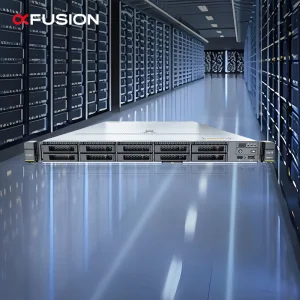
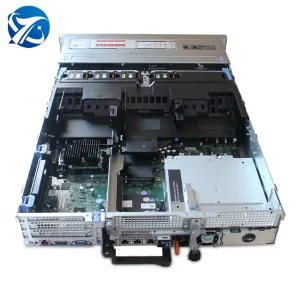
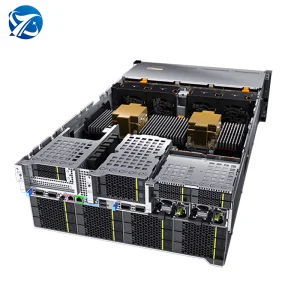
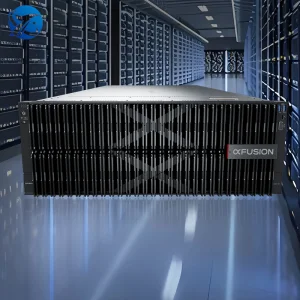
In the era of hyper-scale computing and high-density deep learning models like DeepSeek, data center management has evolved far beyond basic infrastructure monitoring. Today's hardware architectures demand deep integration between thermal mitigation systems, IPMI/Redfish-compliant management platforms, and robust power delivery units (PDUs) to prevent system bottlenecks and unplanned downtime.
As a leading supplier and exporter from China, Dynova AI Systems designs architectures that streamline cluster orchestration. By utilizing robust BIOS optimizations and customized IPMI interfaces, we provide system administrators with absolute visibility into CPU core temperatures, system power consumption, and memory telemetry. This preventative management minimizes MTTR (Mean Time to Repair) and ensures maximum availability for mission-critical operations.
Furthermore, the physical deployment of GPU clusters introduces challenges in power distribution and structural integrity. Standard servers require precise chassis layouts to ensure stable airflow across high-TDP components. Our customized computing solutions address this with:
Dynova AI Systems Inc. is a professional manufacturer specializing in high-performance AI GPU servers, GPU workstations, and customized computing infrastructure for AI training, AI inference, HPC, cloud computing, and enterprise data centers.
Since our establishment, we have been committed to delivering reliable, scalable, and energy-efficient GPU computing solutions to customers worldwide. Supported by 8 years of export experience and 9 years of industry expertise, we continuously invest in research and development to provide innovative GPU server platforms.
Dynova integrates rigorous quality control with flexible customization pipelines. Below is an overview of our operational capabilities and corporate profile specs.
Dynova AI Systems leverages the unparalleled hardware cluster dynamics of China's technological manufacturing centers. By maintaining strategic relationships with more than 1,260 supply chain partners, we secure first-tier component access for high-speed signal PCB substrates, electrical connectors, server chassis components, and advanced power distribution systems.
This massive network enables optimized lead times and highly competitive pricing for volume procurements. Whether you require custom drive bays, server motherboards, specialized cables, or PCIe adapters, our localization allows us to source, assemble, test, and export customized configuration units faster than traditional Western OEMs. Furthermore, our proximity to major international shipping ports in southern China guarantees streamlined container logistics and air freight options to globally distributed hubs.
With 142 dedicated R&D engineers, we take custom server configurations from design validation (DVT) to production quality control in minimal time, ensuring speed-to-market benefits.
Our scaled purchasing power and high-yield manufacturing lines reduce assembly overheads. Savings are directly passed down to wholesale distributors and data center system integrators.
Every server system shipped from our facility undergoes structural and electrical audits to ensure seamless deployment upon arrival.
Systems run under full compute stress load at elevated ambient temperatures for a minimum of 24–48 hours. This process identifies early-life component failures prior to international shipping.
We test component placement using specialized thermal imaging cameras to ensure no hot zones develop under continuous PCIe Gen 5 configurations or dense GPU configurations.
Systems are tested for compatibility with open-industry management standards, guaranteeing seamless integration into existing management environments (such as Zabbix, Prometheus, or Ansible).
Bridging geographic boundaries by matching local regulatory requirements with tailored server system architectures.
We ensure all hardware complies with region-specific guidelines (including CE, FCC, RoHS, and CCC certification). From power cable configurations to electromagnetic compatibility (EMC) testing, our systems are built to meet the legal requirements of North American and European data center facilities.
Dynova provides technical documentation, hardware schematics, and BIOS/firmware update logs to international system integrators. Our engineers provide remote debugging support to resolve field integration issues quickly.
Optimized configuration layouts with dense server designs specifically targeted for high-performance workloads, deep learning neural networks, and modern model optimization protocols.
Enabling enterprise businesses to manage workloads across local private server clusters and global public cloud architectures through standardised rack configurations and storage nodes.
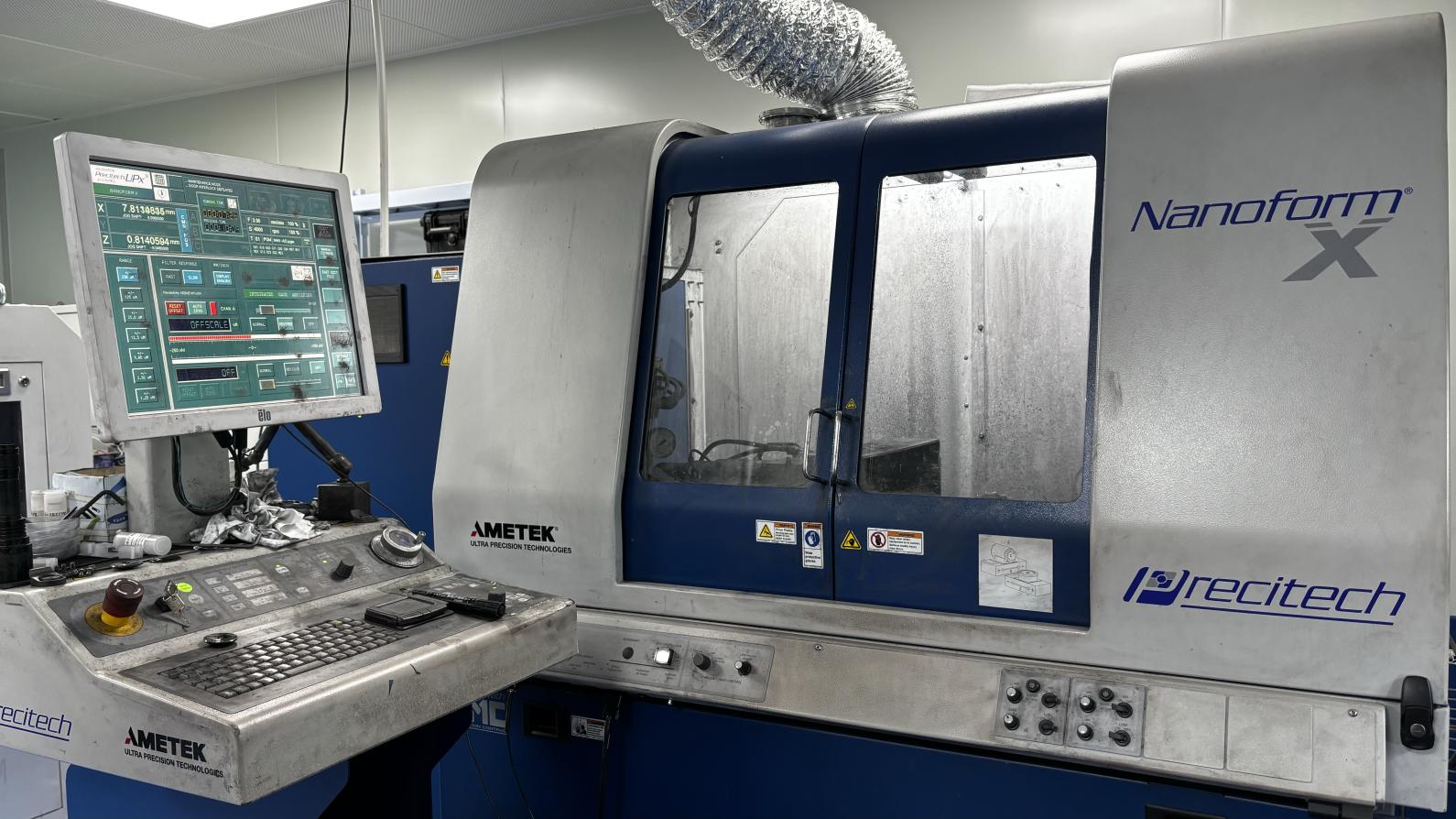
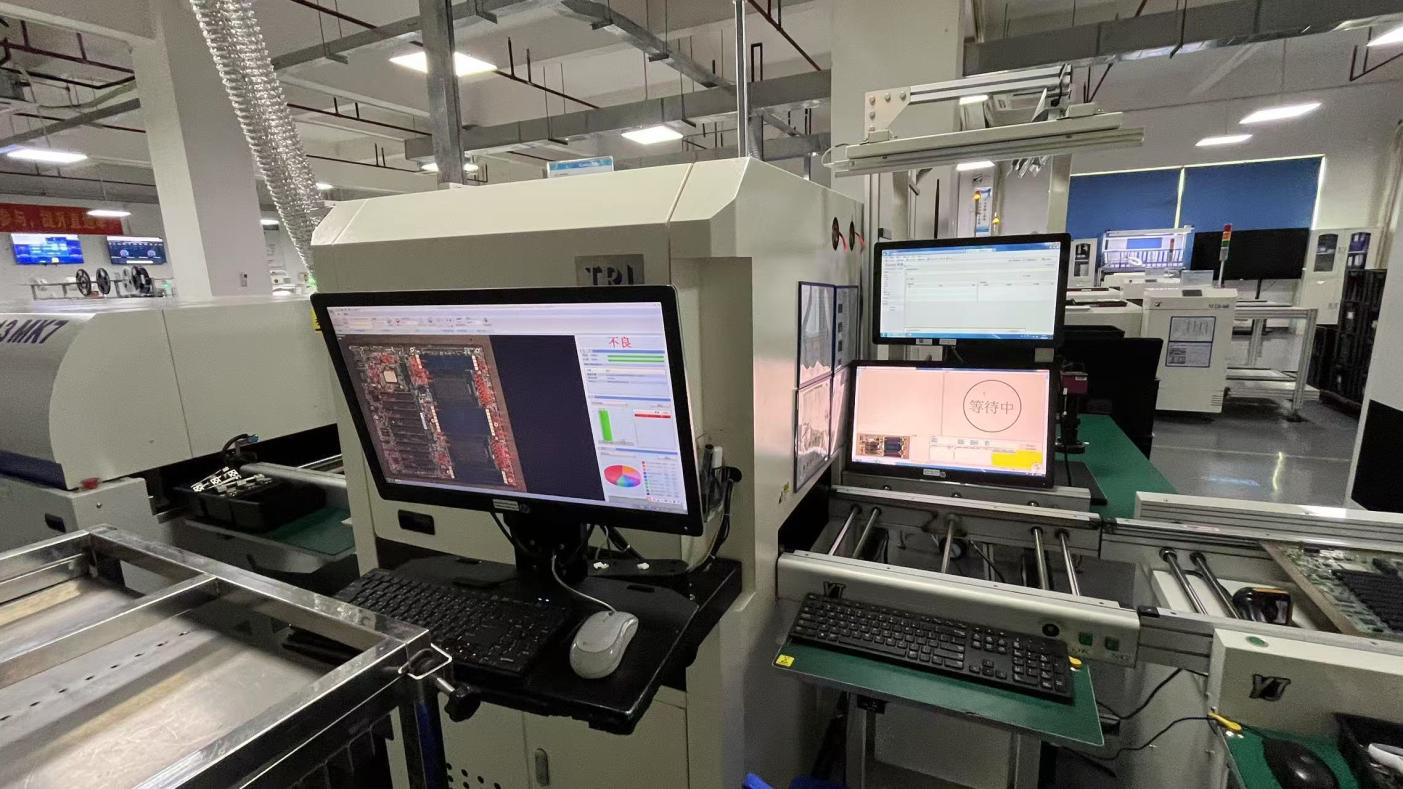
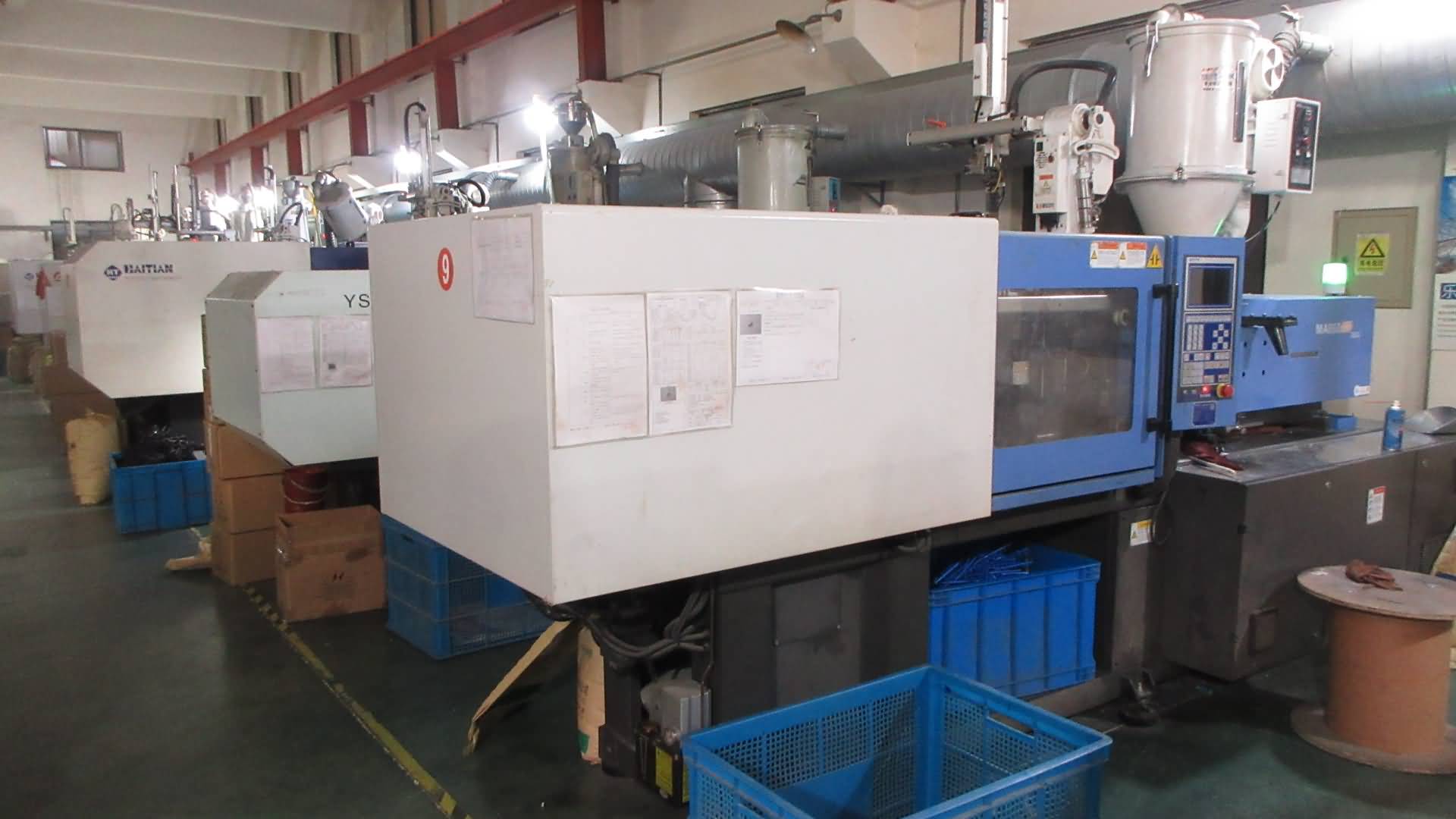
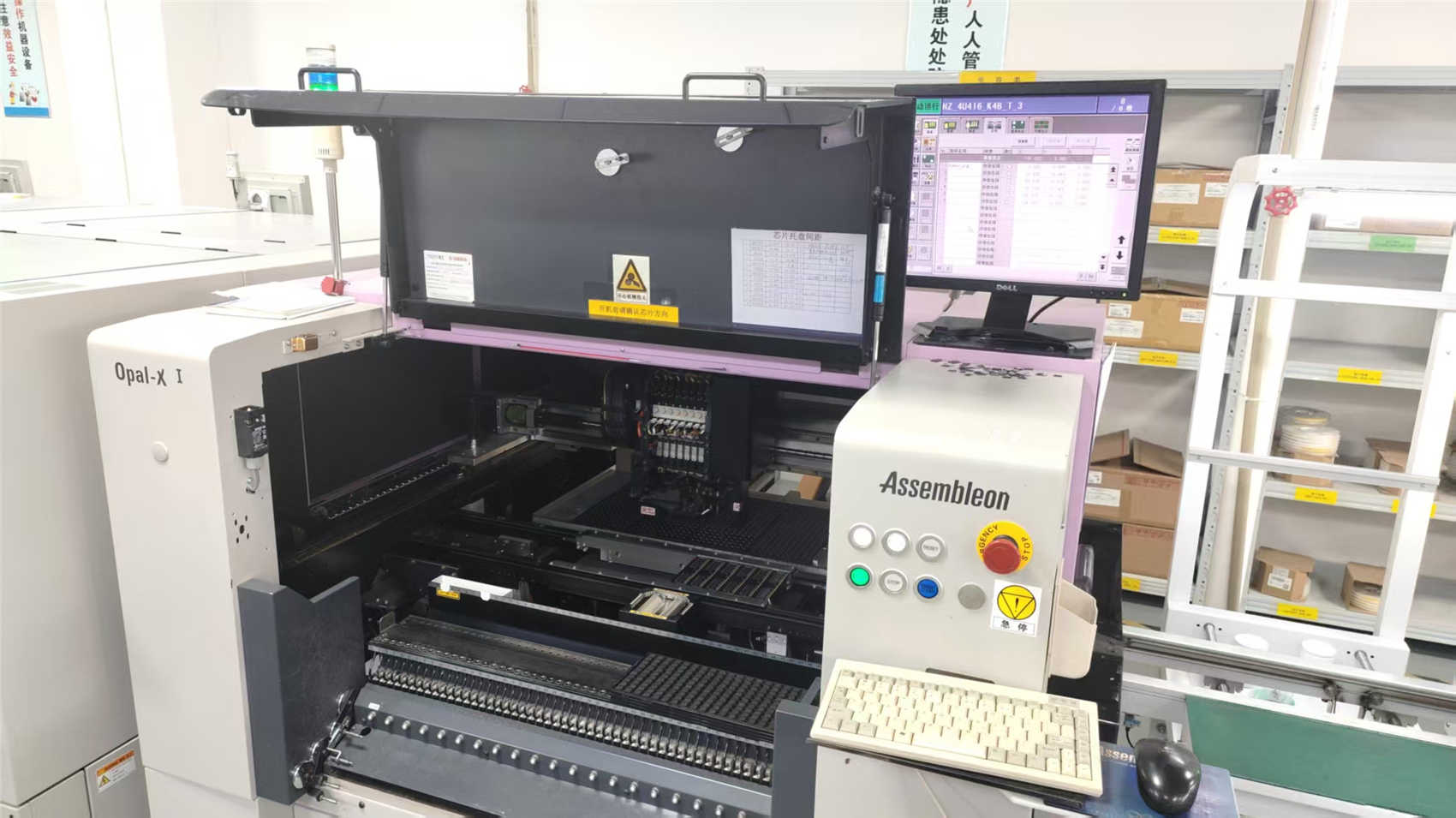
Inside our 23,800 m² state-of-the-art facility: assembly halls, functional validation setups, and packaging lines.

Answers to common technical, logistics, and configuration questions from our international clients and procurement partners.
Expand infrastructure performance with our catalog of storage accessories, high-density AI servers, and rackmount systems.