Dynova
Dynova
Dynova
Optimized compute nodes engineered for next-generation Enterprise Resource Planning & Database Workloads
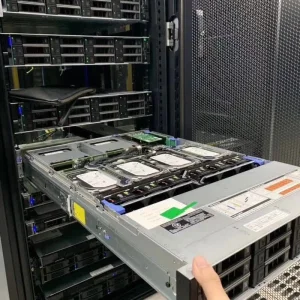
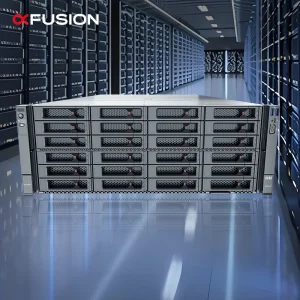
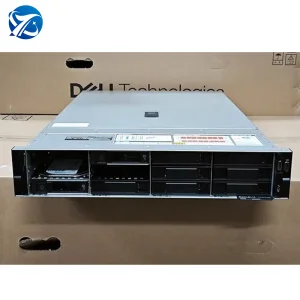
Enterprise Capability & Technical Scale at a Glance
Why customized hardware dominates the next generation of Enterprise Resource Planning deployment
Enterprise Resource Planning (ERP) systems are the core operational foundation of global organizations. Historically, ERP suites like SAP HANA, Oracle Database, and Microsoft Dynamics were deployed on legacy, rigid mainframe servers. However, the paradigm shift toward real-time telemetry, AI-driven logistics predictions, and hyper-converged database execution has changed the demands on hosting environments. Standard, off-the-shelf servers often fail to deliver the memory bandwidth and low-latency storage required for contemporary corporate operations.
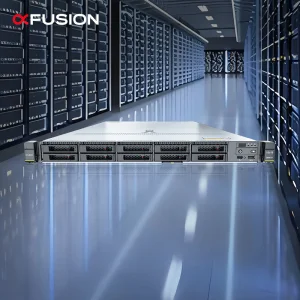
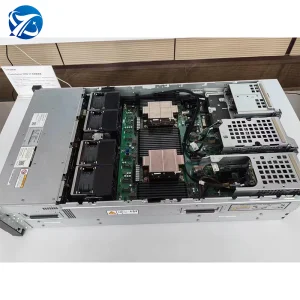
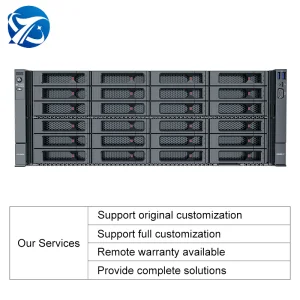
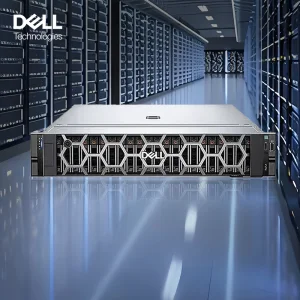
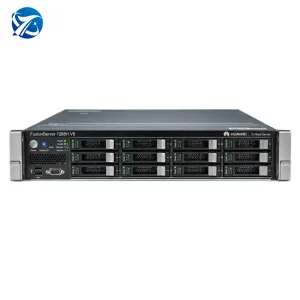
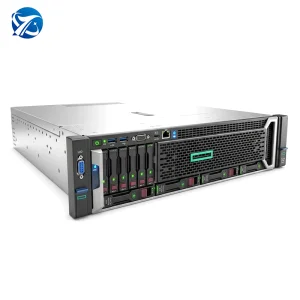
As a leading custom OEM Enterprise Resource Planning hardware manufacturer and supplier, Dynova AI Systems Inc. designs and deploys optimized computing architecture tailored specifically to meet these computational complexities. Our specialized rack servers, combined with ultra-high-speed PCIe NVMe SSDs and parallel computing accelerator platforms, enable modern multinational enterprises to bypass the throughput bottlenecks inherent in legacy hardware. We bridge the gap between heavy software layers and the physical computing nodes that host them.
Modern ERP platforms have evolved from transaction recorders into real-time analytical systems. Crucial trends shaping the hardware requirements for ERP infrastructures include:
Modern ERP software processes active transactions directly within system memory (DRAM) rather than retrieving data from legacy disk arrays. This requires high-density DDR5 memory channels, multi-channel configurations, and server mainboards engineered to handle terabytes of volatile data with error-correcting capabilities (ECC).
From predictive maintenance and automated supply chain replenishment to custom AI models (such as DeepSeek integration), ERP workflows increasingly demand real-time GPU processing. Legacy CPU-centric servers are giving way to hybrid GPU-accelerated computing nodes.
Database logs and historical analytical data require constant, high-speed write speeds. NVMe PCIe Gen 4 & Gen 5 solid-state drives configured in hardware RAID configurations ensure zero data loss during power cycles while maintaining millions of IOPS (Input/Output Operations Per Second).
For IT directors and procurement managers, purchasing hardware for enterprise applications is a balancing act between long-term reliability and total cost of ownership (TCO). Procurement teams look for:
Dynova designs tailormade compute environments targeting specific industrial operational needs:
High-density edge computing servers process real-time Internet of Things (IoT) sensor feeds directly from the assembly line floor. Our high-throughput computing platforms aggregate telemetry and feed it directly to central ERP databases, minimizing delays and accelerating dispatch decisions.
Processing millions of daily general ledger transactions requires maximum data security and structural reliability. Our systems leverage hardware-level virtualization, high-speed hybrid SSD arrays, and dual-socket CPU systems to guarantee uninterrupted computational reliability.
Meeting international regulatory standards for secure enterprise deployment
Deploying global ERP architectures requires adherence to a complex landscape of regional regulatory frameworks, environmental laws, and technical validation parameters. Hardware that houses private enterprise data must meet strict safety, efficiency, and recycling guidelines before it can enter active use in corporate environments.
Dynova designs all GPU servers, rack-mount systems, and high-performance SSD devices to satisfy key global compliance certifications, including FCC, CE, RoHS, and VCCI. This ensures compatibility with corporate carbon footprint reduction mandates and energy-efficiency standards. We also collaborate with regional system integrators to deliver custom firmware options, optimized localized cooling systems, and specialized hardware features tailored to the localized constraints of data centers in North America, Western Europe, Southeast Asia, and the Middle East.
With frameworks like GDPR in Europe and regional data protection acts globally, securing data at rest and in transit is a hardware design priority. Dynova servers feature onboard Trusted Platform Modules (TPM 2.0), secure boot environments, and hardware-encrypted NVMe storage lanes. This design helps protect corporate ERP systems from low-level security vulnerabilities and unauthorized physical access to database storage media.
Future-proofing your enterprise database and ERP installations
As enterprise computing requirements continue to increase, the core hardware hosting critical database workloads must evolve in lockstep. Our engineering and design teams are working to integrate next-generation technologies directly into our upcoming OEM server lines:
Key technical inquiries regarding custom OEM ERP hardware manufacturing
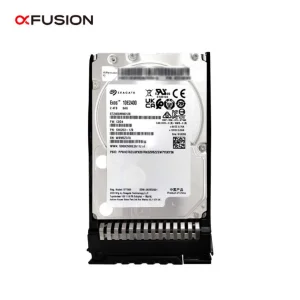
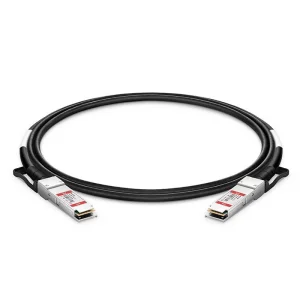
Complete your deployment with certified system accessories and enterprise components
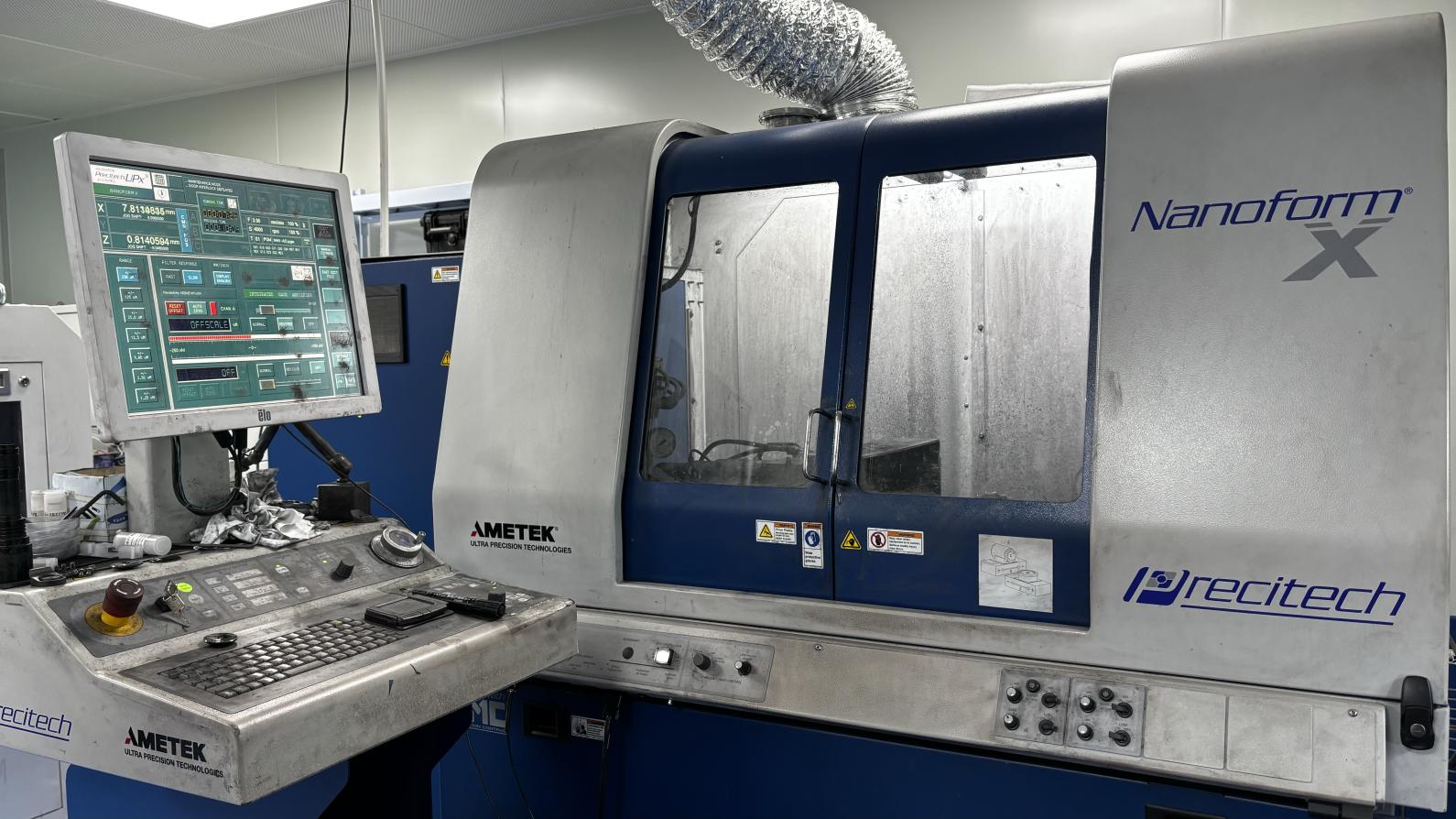
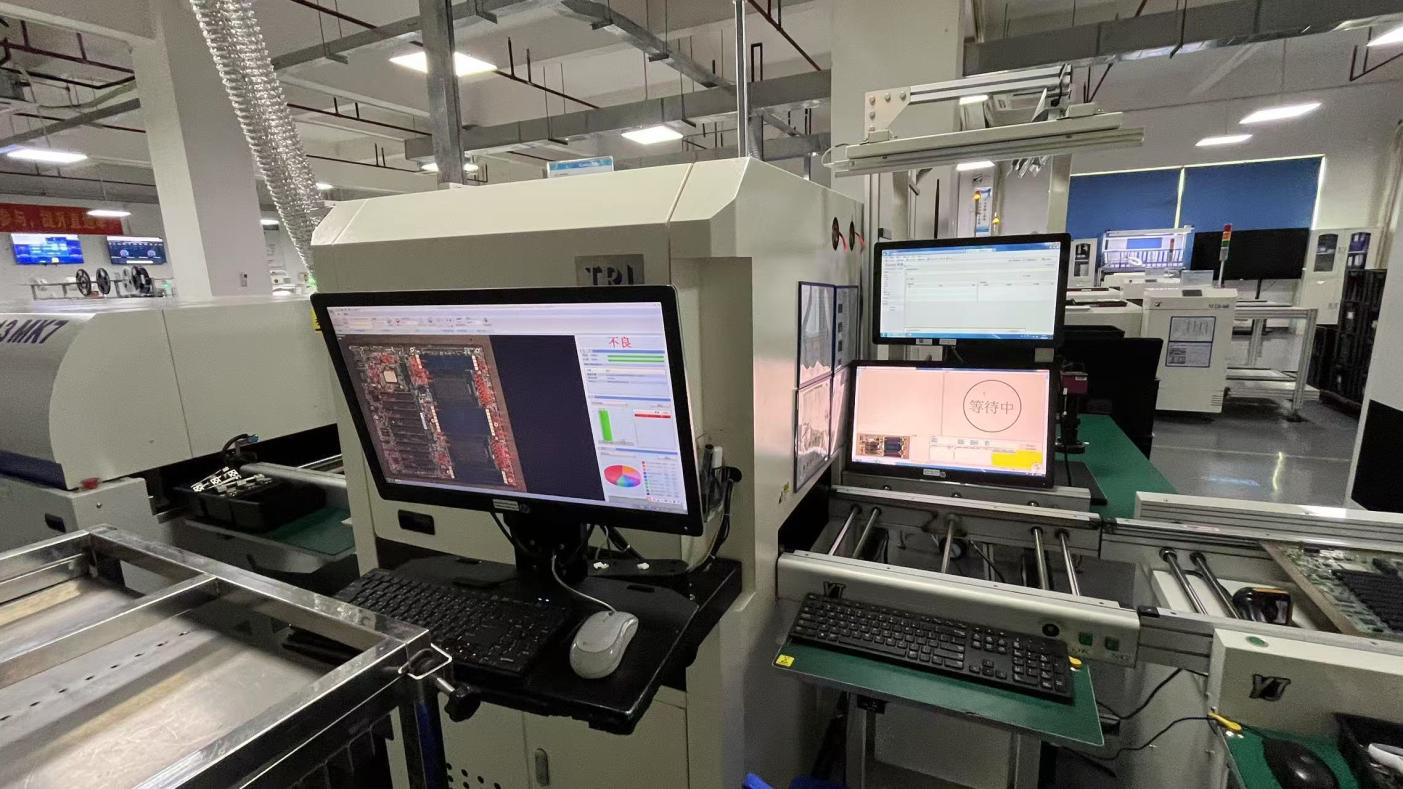
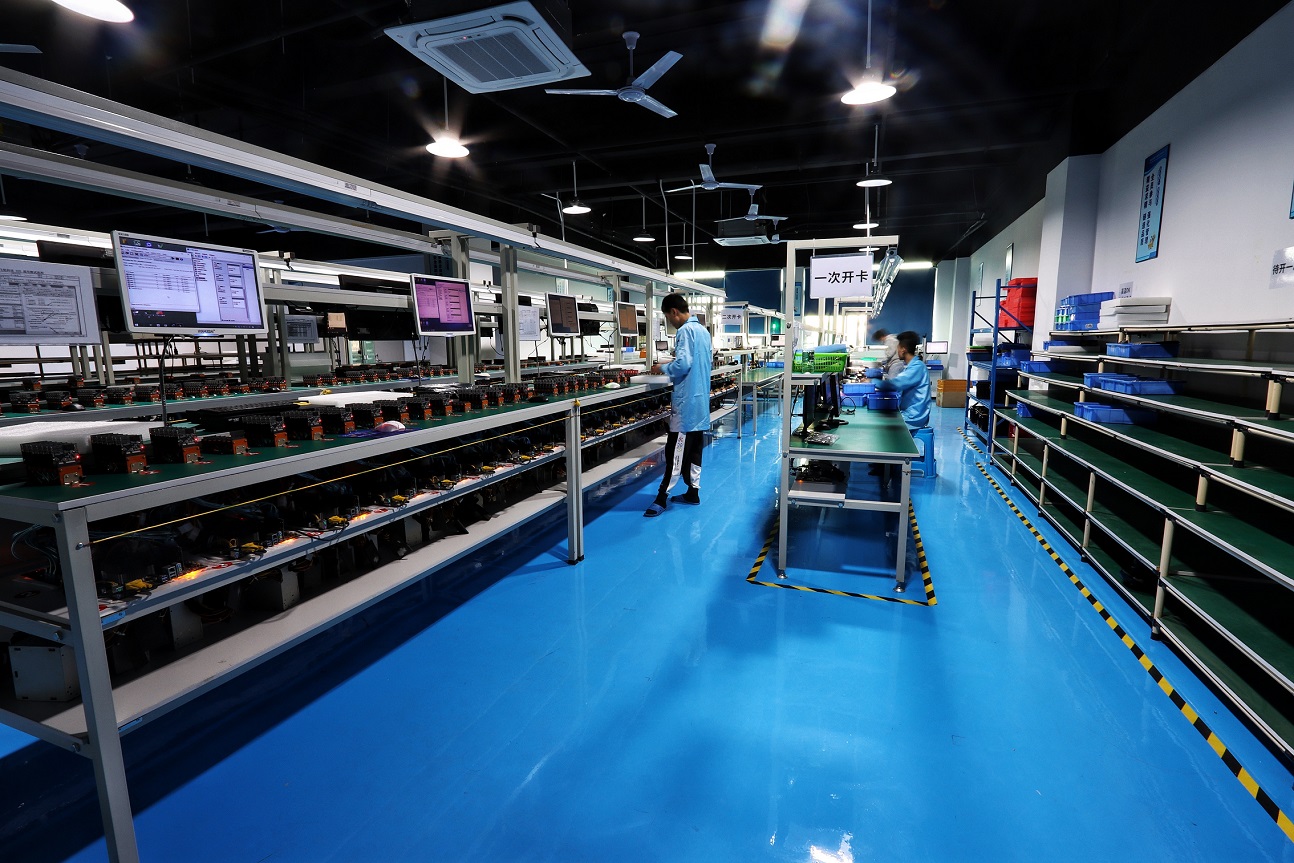
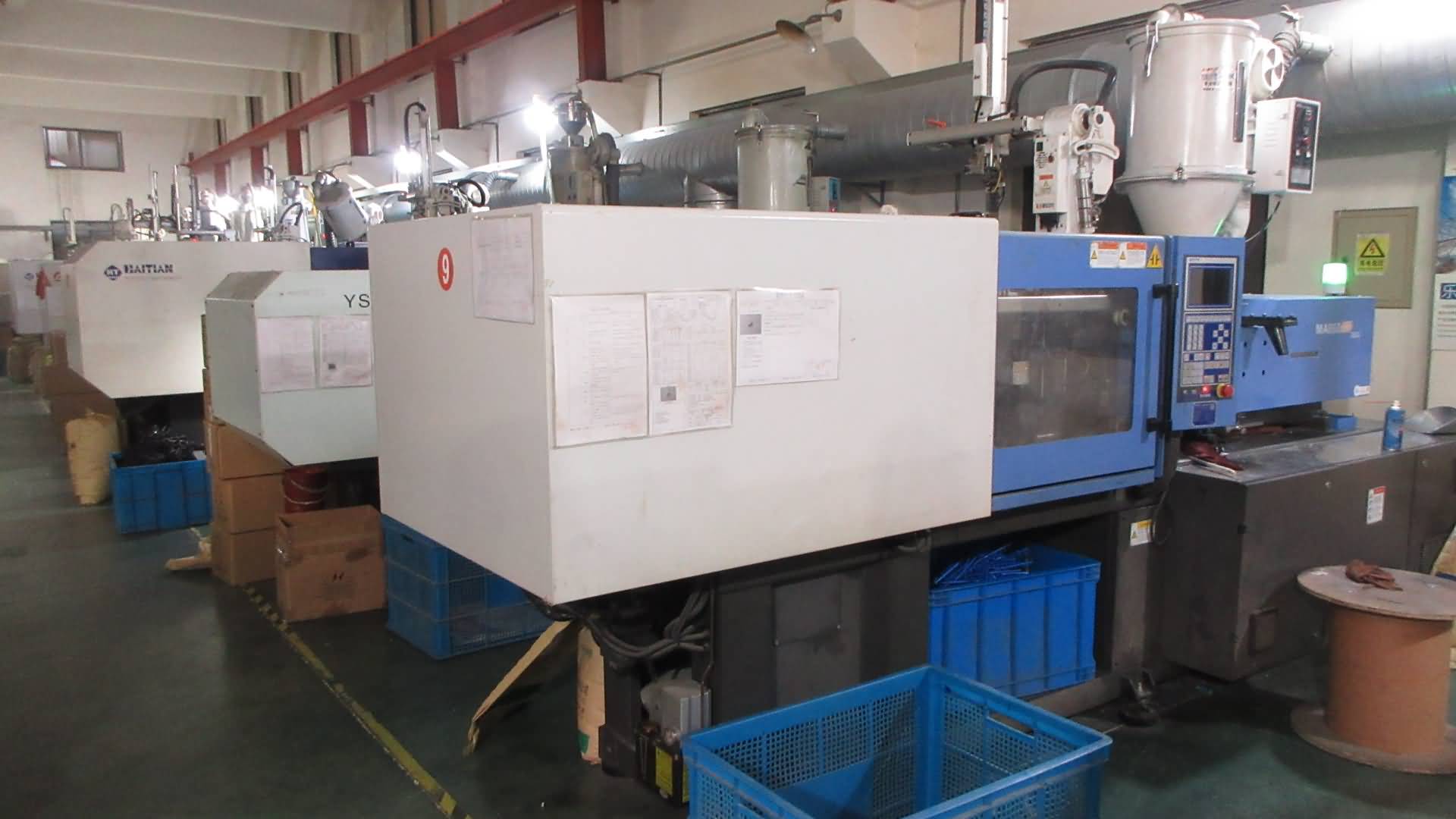
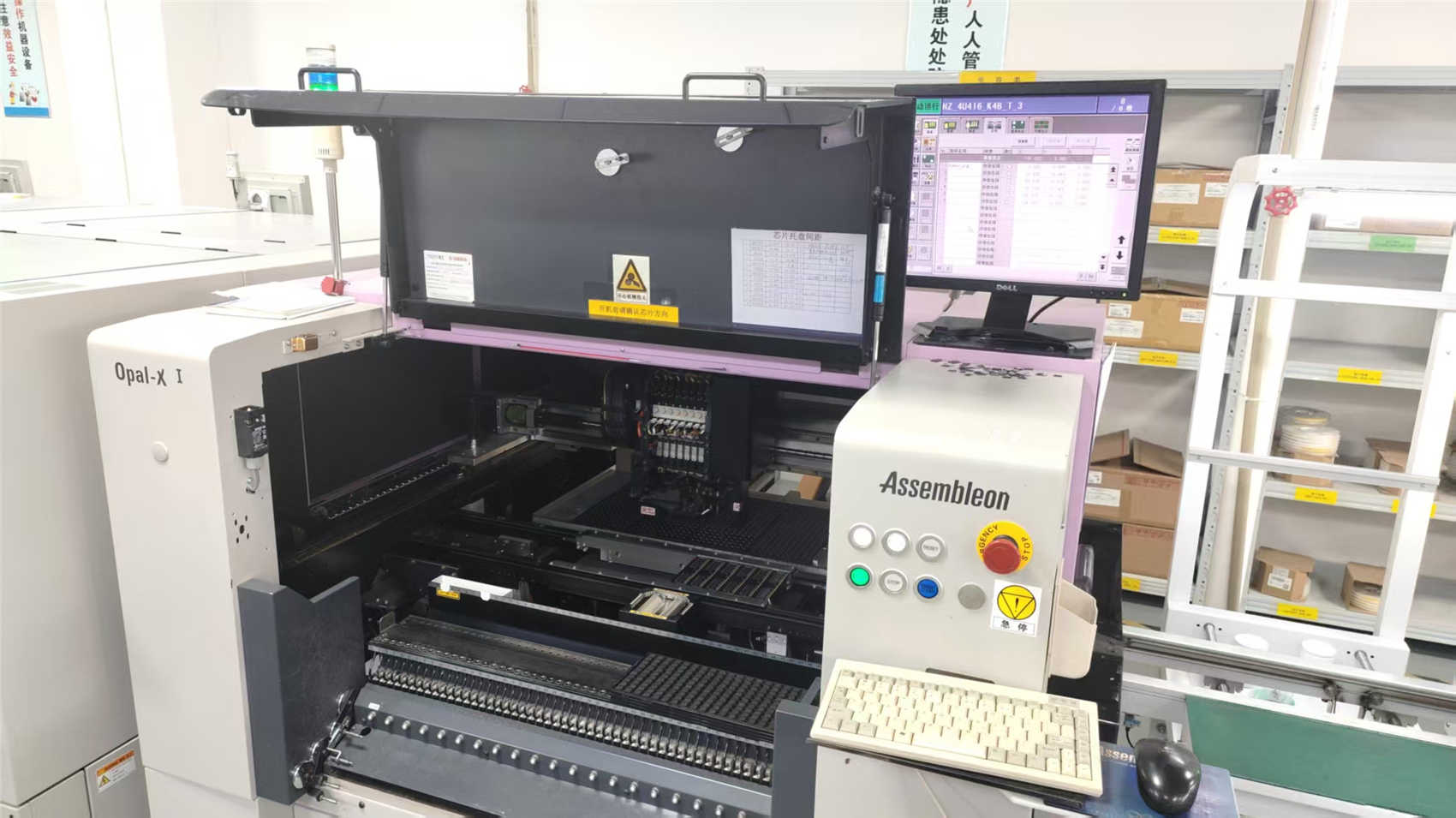
Tour our 23,800 m² high-precision facility where our standard-compliant hardware is manufactured