Dynova
Dynova
Dynova
In 2024, the global landscape for data processing has shifted from centralized cloud computing to a hybrid "Edge-to-Cloud" continuum. Businesses no longer just look for "servers"; they seek Data Processing Solutions that integrate high-performance silicon (Intel Xeon, AMD EPYC, NVIDIA Hopper) with robust, localized hardware architectures. As AI models like DeepSeek and LLMs become enterprise staples, the demand for specialized AI Data Servers has surged by 140% year-over-year.
Smart factories now utilize rack-mounted servers to process machine vision data in real-time, reducing latency from 200ms to under 10ms.
Governments and large enterprises are investing in private NAS and hyperconverged infrastructure (HCI) to ensure data compliance and security.
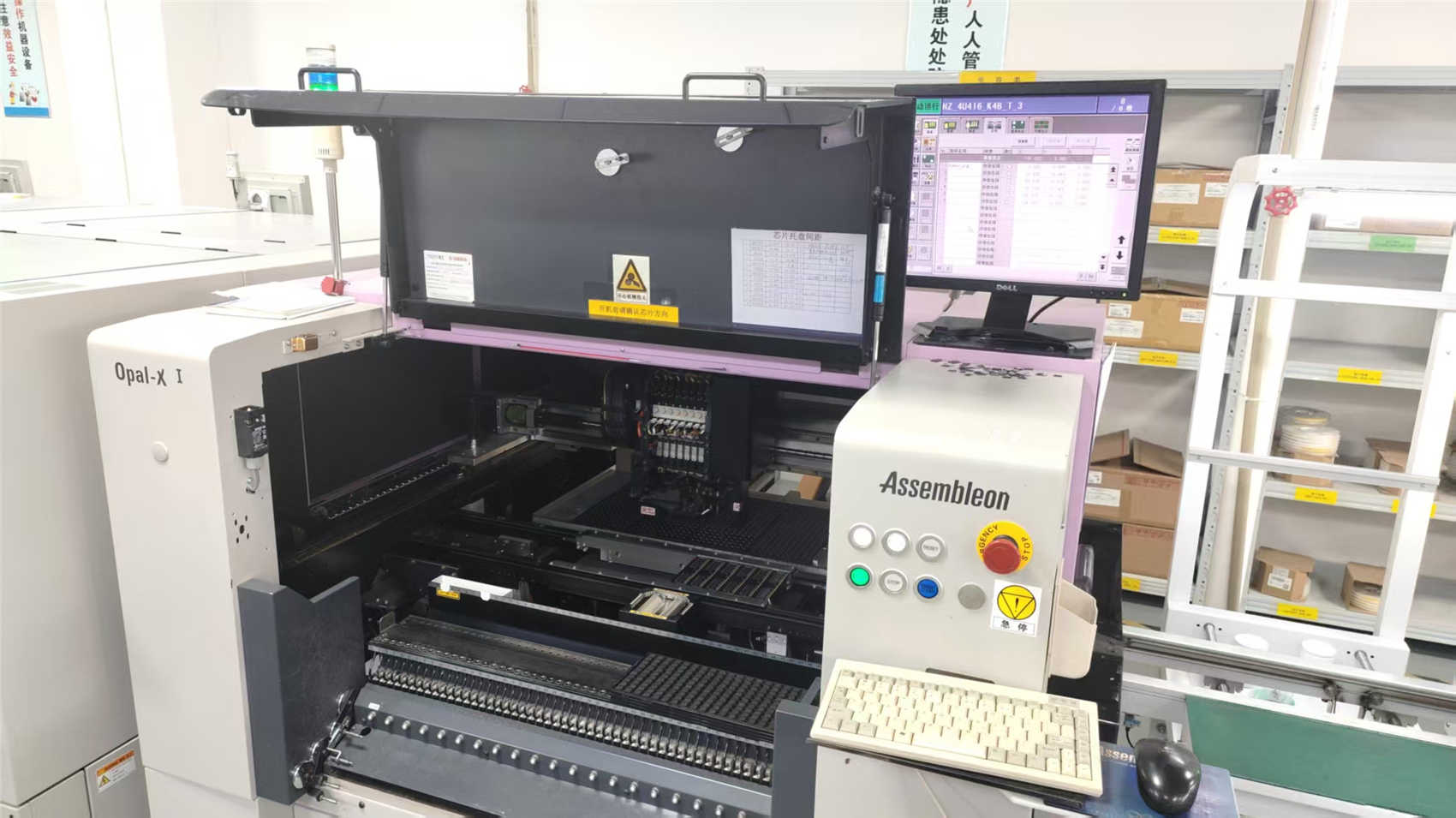
Dynova AI Systems Inc., established in 2017, exemplifies the modern Chinese manufacturing powerhouse. With 9 years of industry expertise, our facility integrates the entire lifecycle of server production—from hardware design to BIOS optimization.
Why China Leads in Data Solutions:
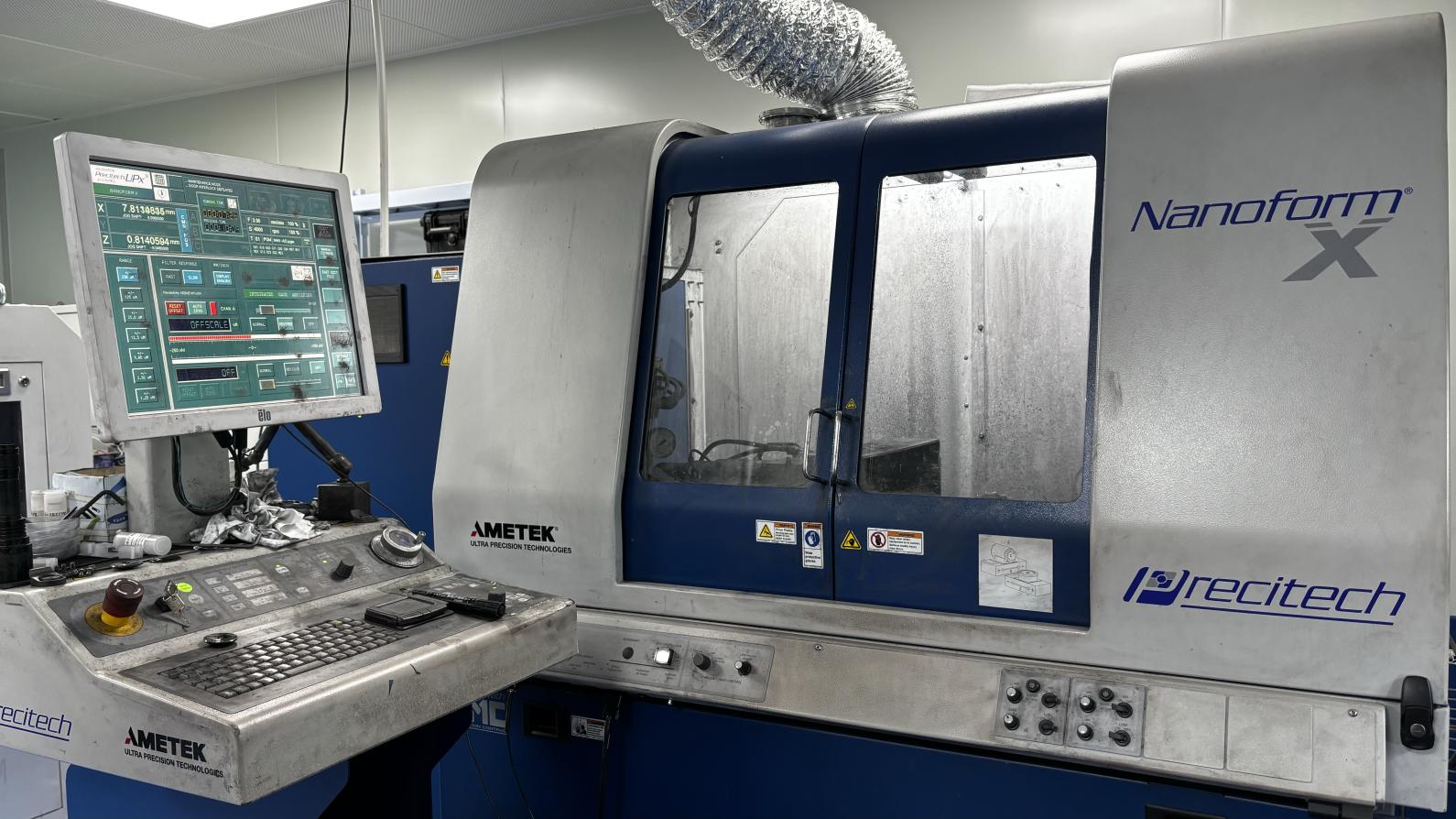
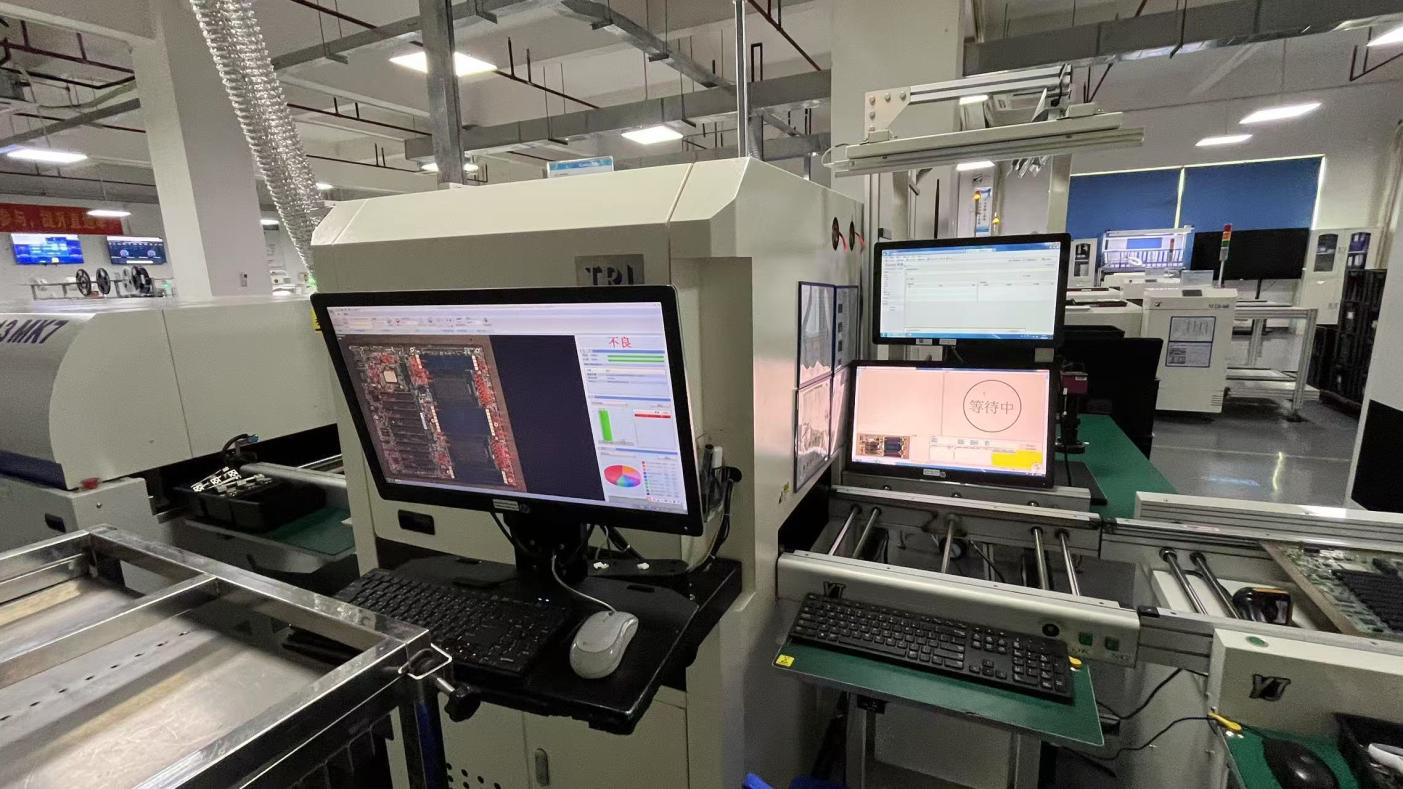
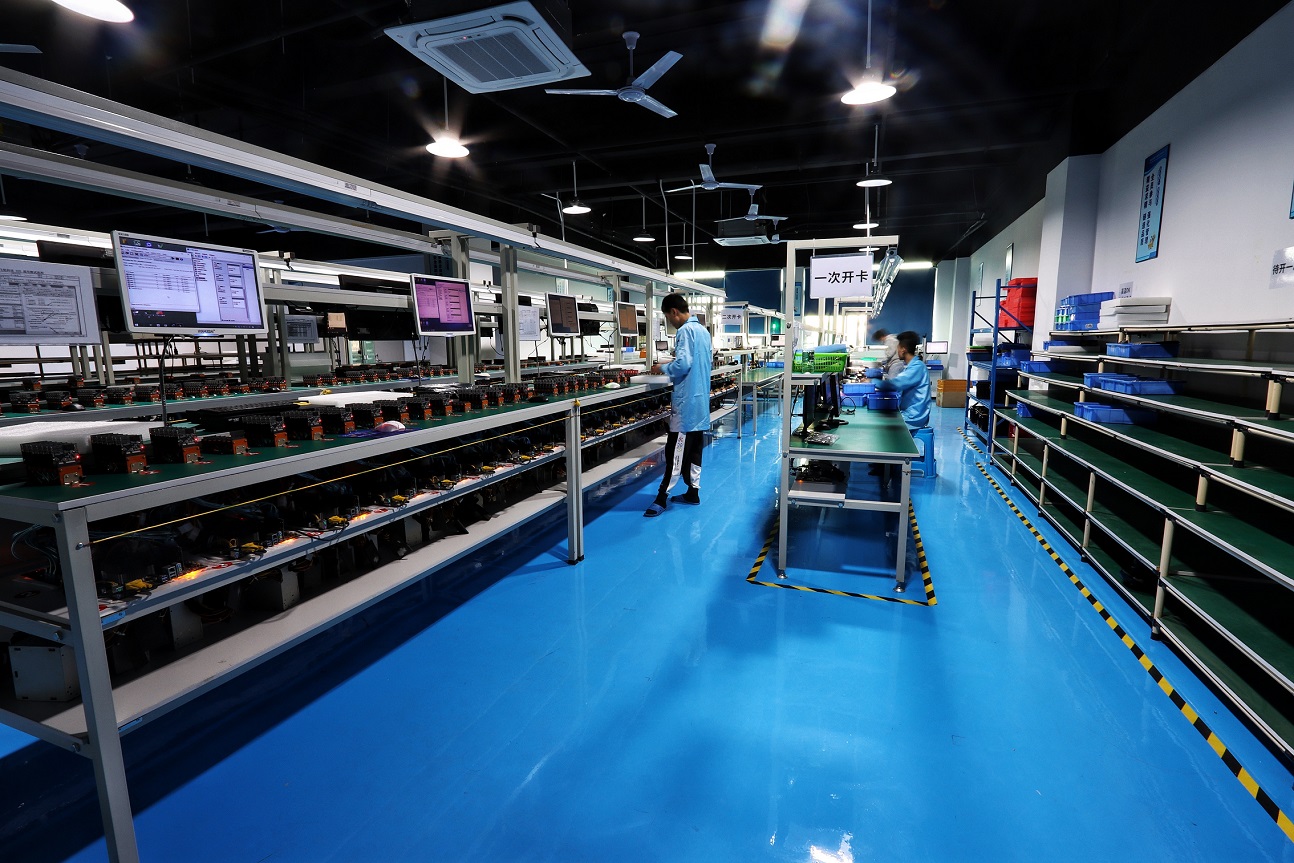
The next decade of data processing will be defined by three pillars: Efficiency, AI-Native Design, and Sustainability.
Integration of PCIe Gen5 and DDR5 as standard for high-bandwidth AI inference (DeepSeek, Llama-3).
Liquid cooling adoption at the factory level to support 1000W+ TDP GPUs.
Autonomous servers with AI-driven predictive maintenance and self-healing BIOS.
Generic hardware is no longer sufficient. Solutions must be tailored to regional requirements:
Dynova AI Systems Inc. operates under a strict "Trust-First" framework. With 8 years of export experience to North America and Europe, we understand that reliability is the only currency in the enterprise server market.
142 R&D engineers specializing in BIOS/Firmware optimization and AI infrastructure development.
Preferred partner for AI Solution Providers and Cloud Service Providers globally, with an annual revenue of $28 million.
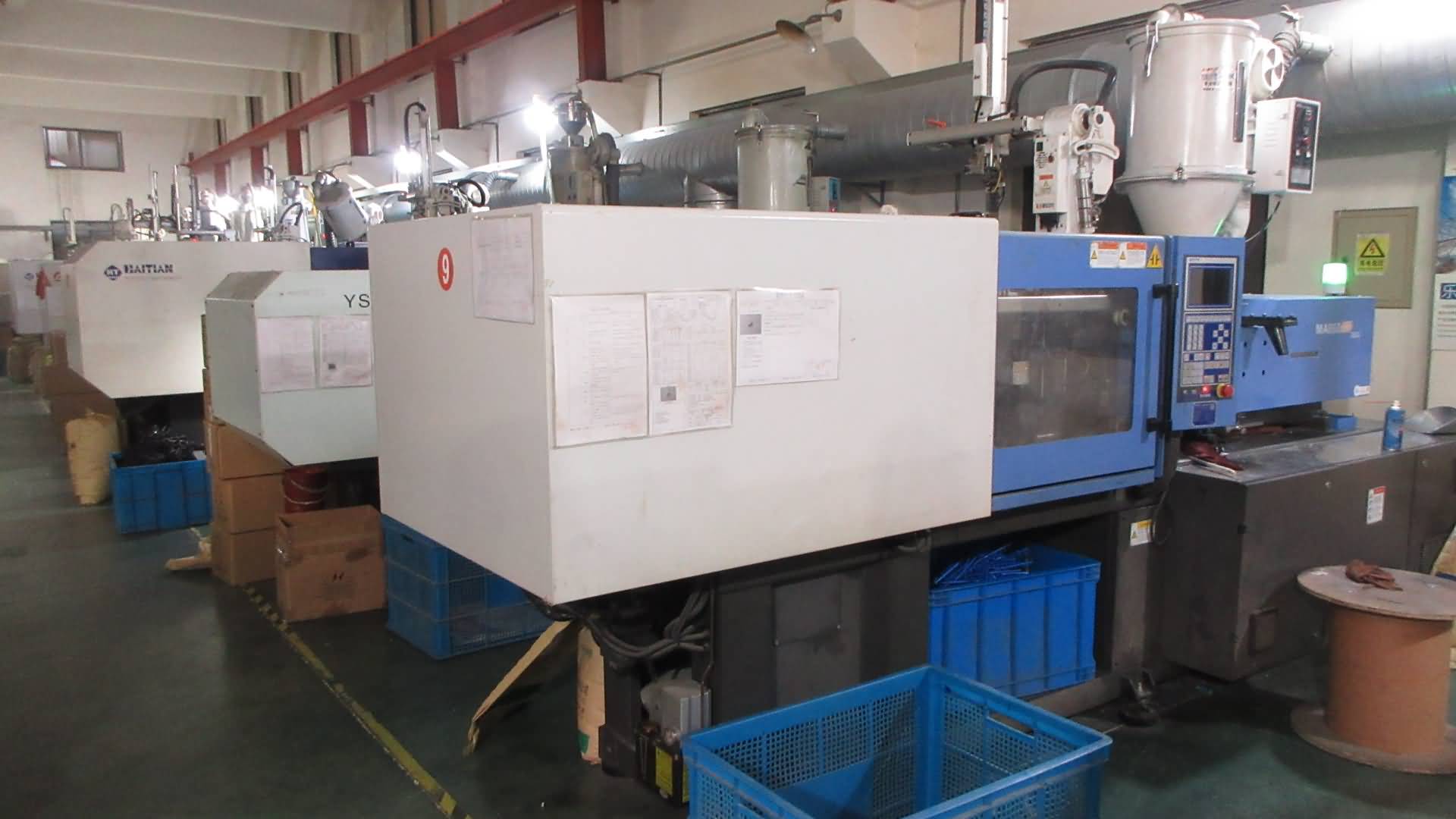
Our engineers perform rigorous "Compatibility Validation" testing across mainstream OS (Linux, Windows Server) and AI stacks (PyTorch, TensorFlow, CUDA). We also provide BIOS-level optimization for specific GPU accelerator technologies.
We offer full hardware configuration customization, including CPU/GPU types, memory density, storage arrays, and chassis branding. Our 23,800m² facility allows for flexible production runs, from single custom prototypes to large-scale data center deployments.
We use industrial-grade, anti-static, and vibration-dampening packaging. All international shipments are insured and tracked, leveraging our partnership with 1,260+ supply chain and logistics providers to ensure timely delivery.
Thanks to our robust inventory and local supply chain, standard configurations are available for immediate dispatch, while custom ODM projects typically have a lead time of 2-4 weeks depending on complexity.