Dynova
Dynova
Dynova
As digital transformation moves from cloud-centric databases to real-time physical environments, processing data where it is generated has transitioned from a utility to a core strategy. In the modern landscape of high-performance artificial intelligence, distributed networking, and autonomous operations, securing specialized, reliable, and scalable edge hardware is paramount.
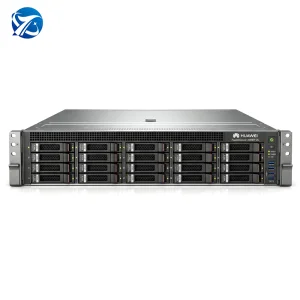
Dynova AI Systems Inc. is a professional manufacturer specializing in high-performance AI GPU servers, GPU workstations, and customized computing infrastructure for AI training, AI inference, HPC, cloud computing, and enterprise data centers. Since our establishment in 2017, we have been committed to delivering reliable, scalable, and energy-efficient GPU computing solutions to customers worldwide. We balance rigorous industrial reliability with deep silicon-level hardware integration, supporting enterprise architectures in adapting to the massive workload demands of the modern era.
Deploy high-performance inference platforms, data routing, and computing capabilities directly to your network edge.
How distributed computing architectures are restructuring industrial production, infrastructure, and commercial networks globally.
Moving large-scale inference from centralized data centers to field-deployed edge boxes. This transition drastically reduces bandwidth requirements, minimises latency bottlenecks, and enables real-time decision-making for critical operational systems.
Modern regulatory environments like GDPR and local critical infrastructure protection acts mandate that data remains onsite. Edge devices process and sanitize metrics locally, sending only aggregated metadata back to cloud storage.
Workloads now demand mixed architecture. The integration of GPU, CPU, and custom ASIC accelerators on compact edge hardware allows simultaneous execution of complex networking, storage management, and deep inference operations.
From heavy industrial machinery monitoring to urban environments: where our edge solutions deliver performance.
Processing sensor data streams at sub-millisecond speeds directly on factory floors. Edge processors predict physical failures, balance robotic arms, and automate high-speed assembly lines in real time, preventing costly production halts.
Implementing dense multi-camera analytics at transit points. Our edge computing devices analyze traffic, optimize heavy cargo routing, track material flows, and execute license plate parsing without cloud-based network dependence.
Enabling localized neural network systems for public venues and large retailers. Systems perform anonymous behavior mapping, shelf restocking notifications, and automated loss prevention while maintaining customer privacy guidelines.
Providing high-performance local computing inside healthcare networks. Medical-grade edge nodes compile CT, MRI, and patient telemetry on-site, allowing instant diagnostic support without the latency of cloud queries.
Securing remote operations for primary electric distribution, water management, and green energy plants. Dynova hardware withstands voltage spikes and fluctuating temperatures while dynamically optimizing energy distribution.
Processing local environmental parameters, soil moisture telemetry, and multi-spectral drone imaging in remote rural fields. Our edge platforms execute operations locally, bypassing the lack of terrestrial cellular coverage.
Aligning hardware architecture to accommodate the next generation of artificial intelligence, high-density storage, and private 5G connectivity.
Next-generation architectures are bypassing general-purpose compute pipelines in favor of customized tensor cores. By integrating specific neural processing units alongside traditional GPU architectures, Dynova hardware achieves massive parallel processing efficiencies. This allows for localized LLM training, DeepSeek model implementations, and real-time deep visual analysis directly inside edge modules.
High-density computing generates significant thermal energy, a challenge in tight edge compartments. We are developing advanced cooling solutions, including micro-channel direct-to-chip liquid cooling systems and passive phase-change thermal units. These designs prevent thermal throttling in dusty, unventilated industrial settings.
Edge computing requires rapid, low-latency communication with sensor arrays. Our roadmap includes integrating dedicated hardware transceivers directly into motherboard architecture, supporting private 5G frequencies, Ultra-Reliable Low-Latency Communication (URLLC), and Wi-Fi 7. This ensures data channels remain secure and reliable.
Because edge devices are physically deployed outside secure data centers, physical and digital security is crucial. Dynova is implementing hardware-level cryptography, TPM 2.0 modules, secure boot processes, and chassis intrusion systems. This ensures data remains secure even if physical devices are compromised.
China remains the epicenter of electronic component integration and server manufacturing. Proximity to raw materials, PCB prototyping, advanced semiconductor testing packaging facilities, and specialized tooling systems allows for rapid development cycles. At Dynova, we leverage this industrial cluster to deliver highly customized edge products faster than global competitors.
Our facility maintains direct cooperation with more than 1,260 supply chain partners. This strong network ensures access to premium capacitors, controller boards, specialized chassis, and components even during global shipping bottlenecks. We secure raw material pipelines to maintain stable pricing and product availability for our global distributors and enterprise clients.
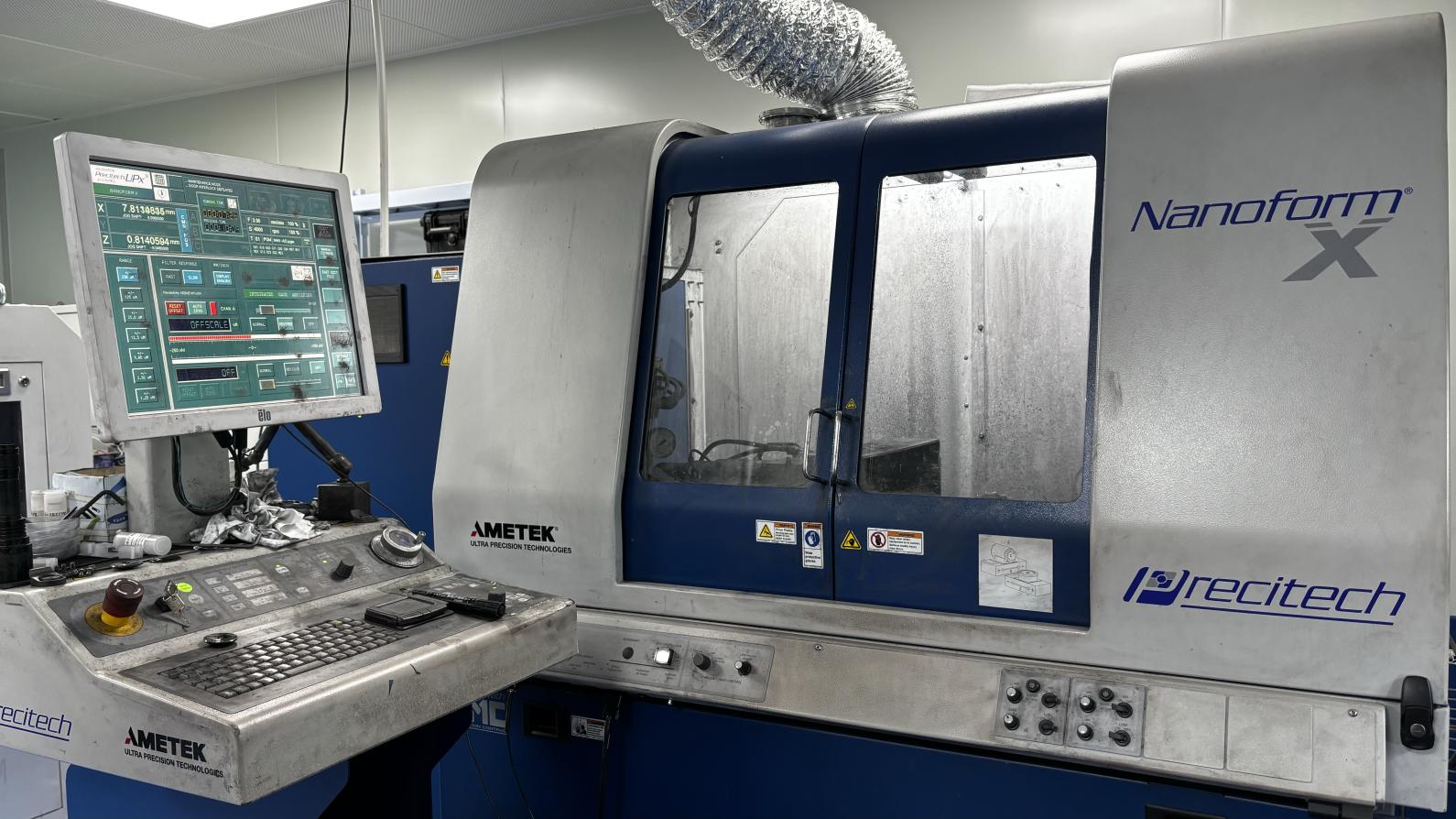
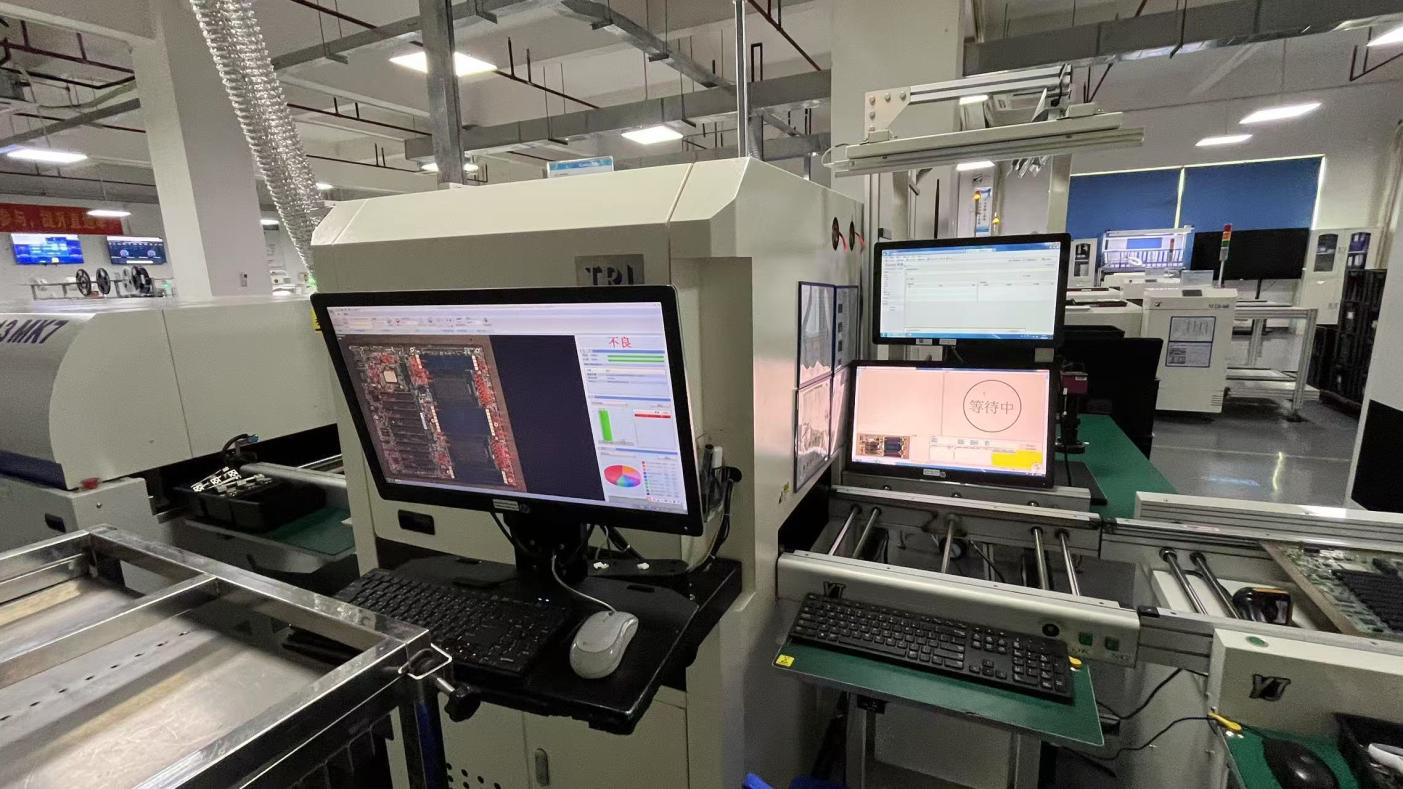
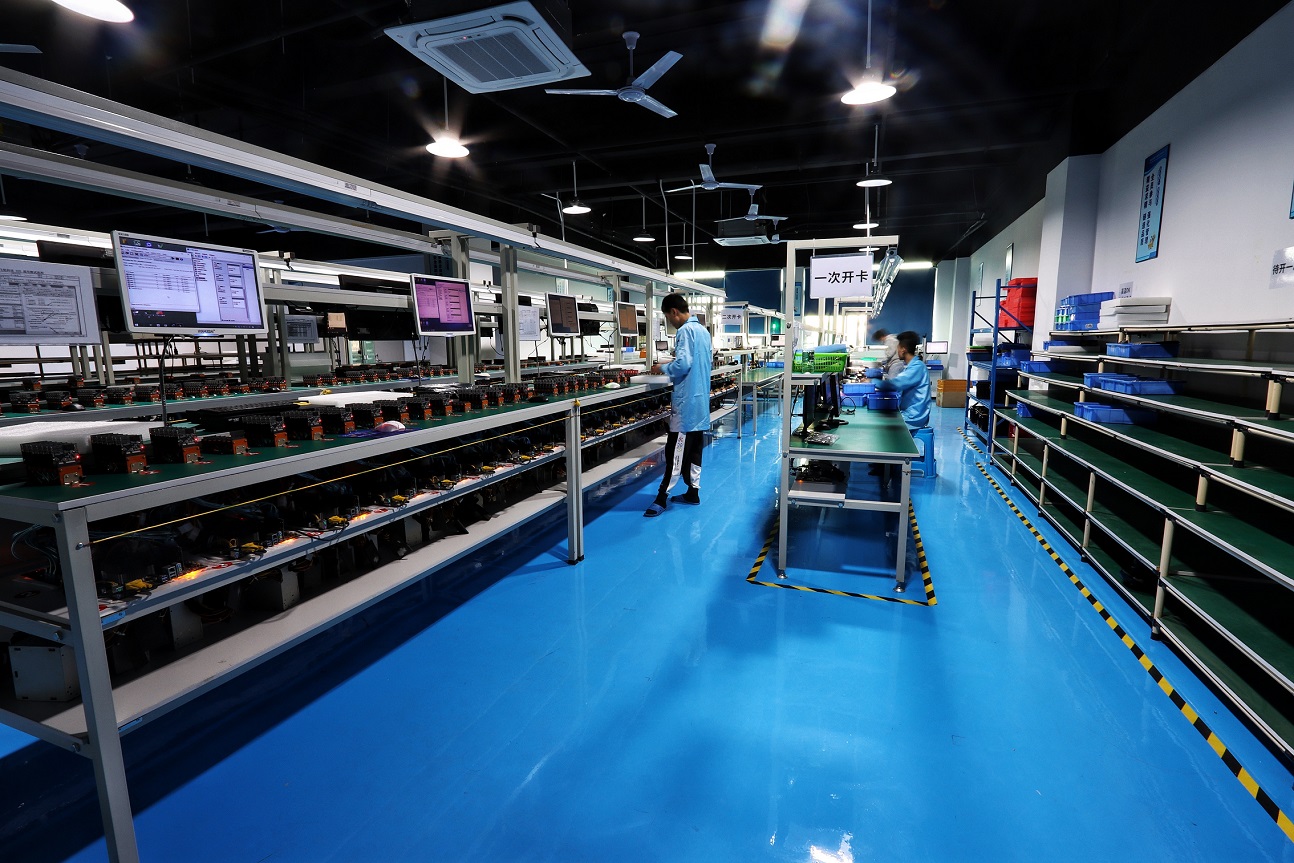
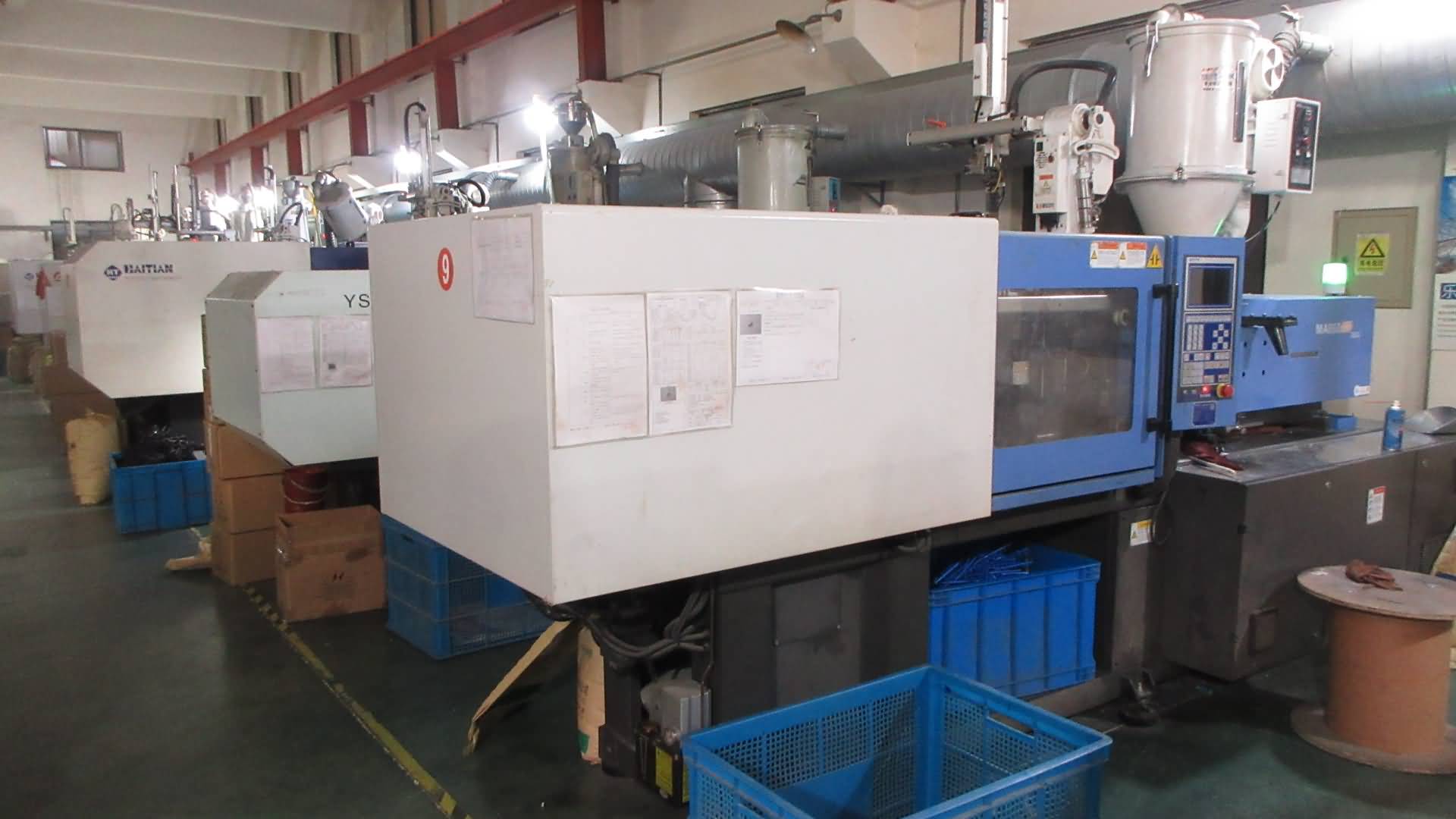
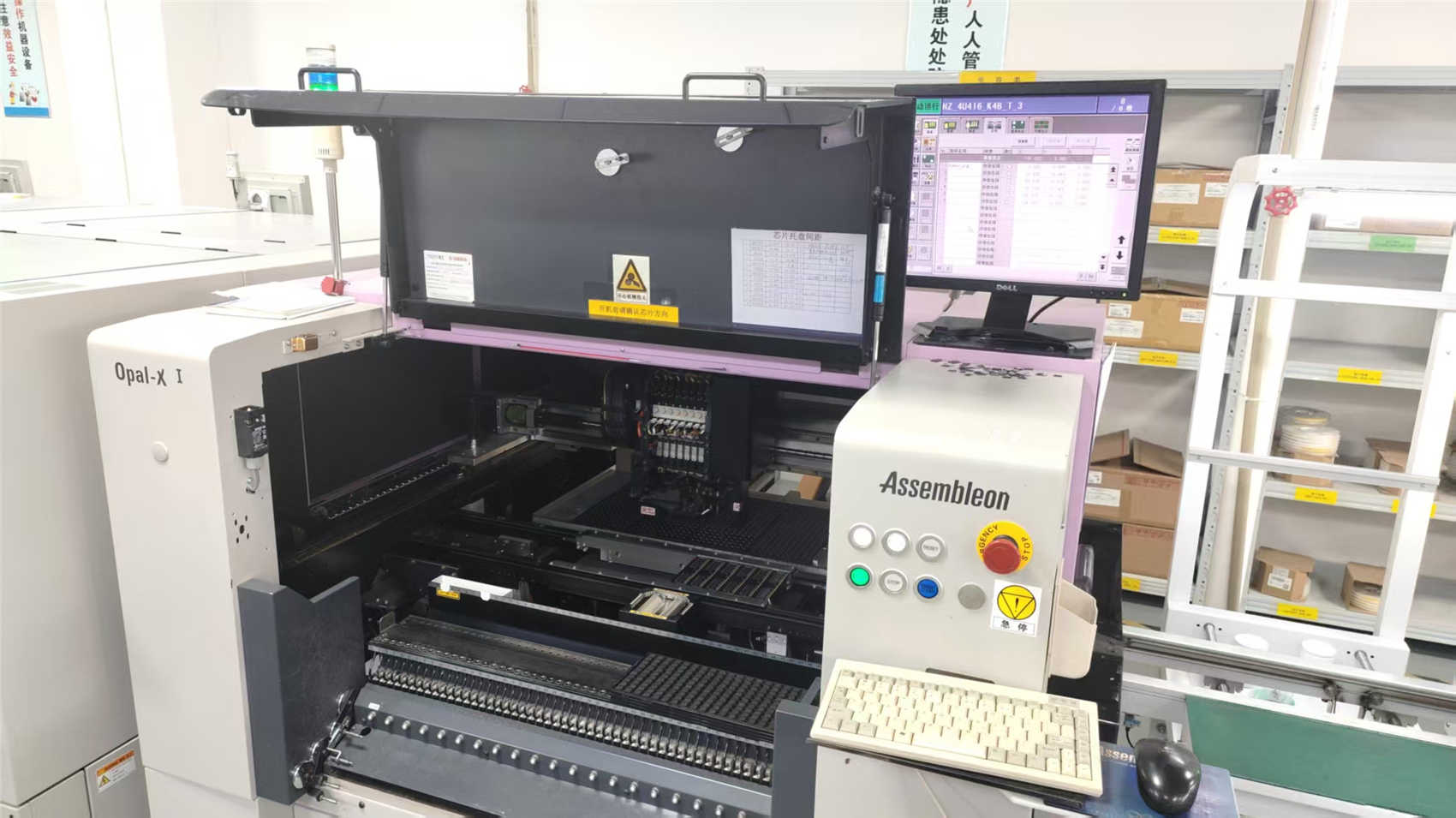
Since 2017, Dynova AI Systems Inc. has built specialized hardware platforms under strict manufacturing and testing protocols.
Every device undergoes strict physical and functional verification before leaving our facility.
| Testing Stage | Methodology & Parameters | Operational Objective |
|---|---|---|
| Functional Testing | Verification of all hardware interfaces, memory channels, and PCIe lanes under full load configurations. | Ensure system reliability and performance before shipment. |
| Burn-in Chamber | 48-hour continuous compute operations under elevated temperatures (up to 45°C). | Expose and resolve early semiconductor defects. |
| Thermal Shock Verification | Cycling between high and low operating temperatures to test structural components. | Verify physical durability in non-climate-controlled environments. |
| Compatibility Validation | Testing across major OS platforms and virtualization hypervisors (Linux, Windows Server, VMware). | Ensure seamless software integration on customer sites. |
| Reliability Testing | Vibration and structural stress analysis simulating transport and industrial environments. | Ensure hardware integrity during global transit and operation. |
Our hardware is certified to meet international standards for safety, electromagnetic compatibility, and environmental sustainability. Dynova systems comply with CE, FCC, RoHS, and UL standards, allowing system integrators and distributors to deploy our solutions globally.
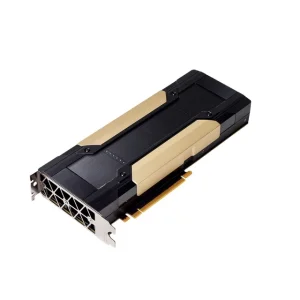
Select high-performance hardware, accelerated accelerators, and enterprise networking components.
We specialize in custom product configurations, customized BIOS modifications, and complete chassis structural engineering.
Our engineering team supports customized hardware design to match your specific requirements. We design solutions for diverse operating environments, from compact, fanless systems for dust-heavy warehouses to rack-mounted compute clusters for remote utilities. Our custom configuration pipeline covers:
Technical support, procurement advice, and architectural answers for system engineers.
Edge computing devices are designed for deployment outside traditional, climate-controlled data centers. They feature hardened enclosures to withstand dust, vibration, and temperature fluctuations, and are optimized for local, low-latency processing. Traditional servers, by contrast, are built for high-density racks inside controlled environments, relying on central network connections to reach end devices.
Every custom edge device undergoes a multi-stage testing process managed by our 58-person Quality Assurance team. This process includes component verification, 48-hour continuous burn-in testing, multi-axis vibration testing, and environmental thermal chamber cycling. These protocols ensure every device meets CE, FCC, RoHS, and UL safety and reliability standards before leaving our facility.
Modern industrial operations depend on real-time visual analysis, predictive maintenance, and local machine learning models. General-purpose CPUs often struggle with these workloads. Integrating dedicated GPU and NPU accelerators allows edge nodes to process high-definition, multi-channel camera feeds and complex datasets at low latency, without requiring cloud connectivity.
Our 142 R&D engineers support tailored BIOS and firmware configurations, including secure boot setups, hardware-level encryption keys, watchdogs, and optimized fan speed curves. We test our systems against major OS distributions and virtualization environments to ensure seamless deployment and long-term system stability.