Dynova
Dynova
Dynova
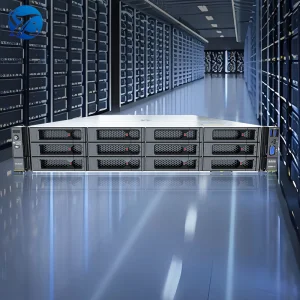
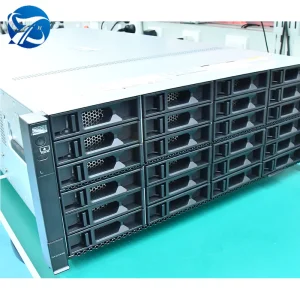
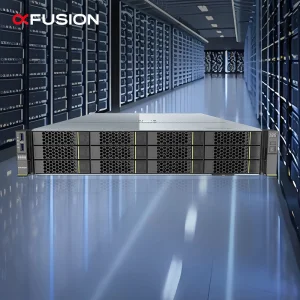
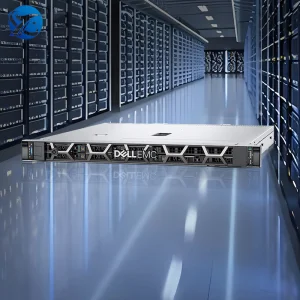
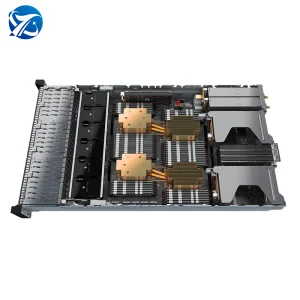
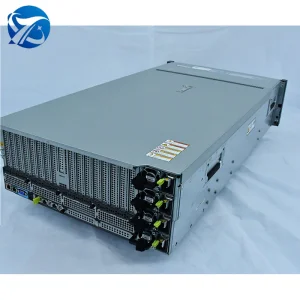
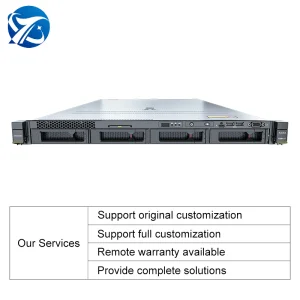
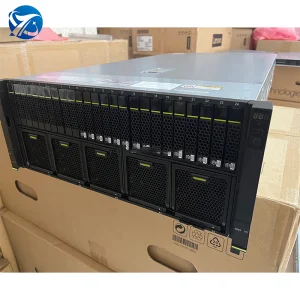
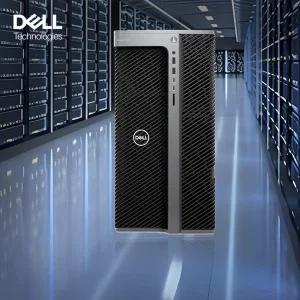
Explore our elite portfolio of high-density hardware platforms designed to integrate seamlessly with intelligent rack Power Distribution Units (PDUs) to support severe AI computing loads.
As computing clusters transition into GPU-intensive nodes, power requirements at the rack level have surged exponentially. Standard infrastructure is no longer sufficient.
Next-generation hardware configurations demand robust power pathways. Here is how power systems are evolving to meet these demands.
Standard Basic PDUs are rapidly being phased out in enterprise data centers. The standard configuration has shifted to Metered-by-Outlet with Switched (MCOS) technology. This level of granularity allows operators to pinpoint power consumption down to individual servers, monitor real-time active power draw (kW), calculate power factor, and reboot unresponsive network equipment remotely without dispatching engineers.
Unlike thermal circuit breakers, which are highly susceptible to ambient temperature changes, modern high-density PDUs utilize hydraulic-magnetic breakers. These devices perform reliably across wide temperature ranges inside rack exhaust areas, preventing nuisance tripping under full continuous loads. Dual-input configurations ensure that if one power grid fails, the load seamlessly shifts without disrupting mission-critical processes.
Integrated sensors on intelligence-grade PDUs detect moisture, humidity, temperature, and cabinet access violations. By treating the PDU as an edge sensor hub, operators can configure automated alerts. For instance, if an exhaust temperature exceeds a predefined limit, the system alerts DCIM software to trigger automatic failover procedures.
Modern network-enabled PDUs feature hot-swappable controller modules and support secure transmission protocols like SNMPv3, SSH, HTTPS, Modbus TCP/IP, and redfish APIs. This compatibility ensures seamless integration with major Data Center Infrastructure Management (DCIM) platforms, preventing unauthorized remote access and securing power controls.
Dynova AI Systems Inc. is a professional manufacturer specializing in high-performance AI GPU servers, GPU workstations, and customized computing infrastructure for AI training, AI inference, HPC, cloud computing, and enterprise data centers. Our commitment to power optimization and server infrastructure reliability has positioned us as a trusted collaborator in the global hardware export arena.
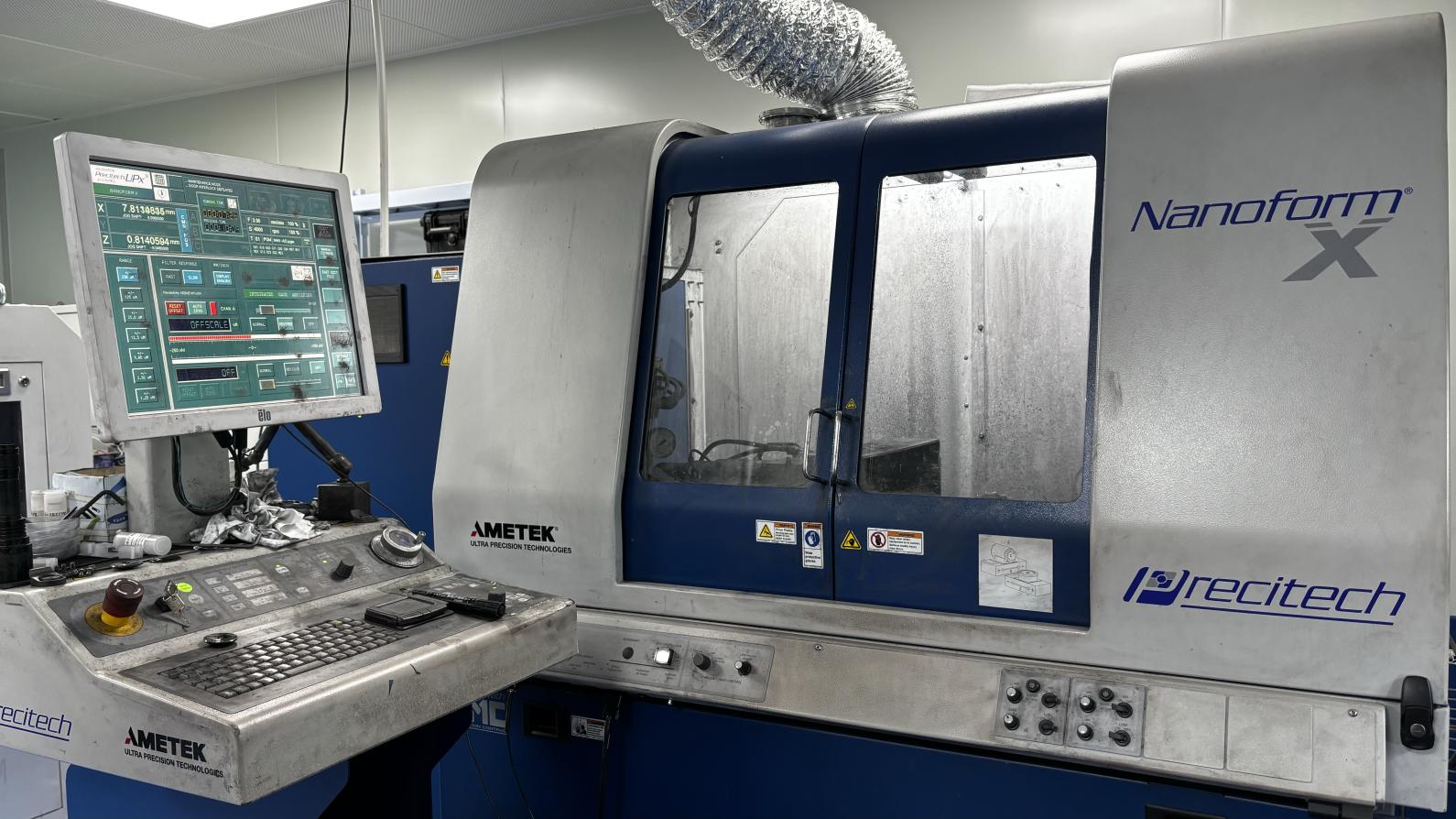
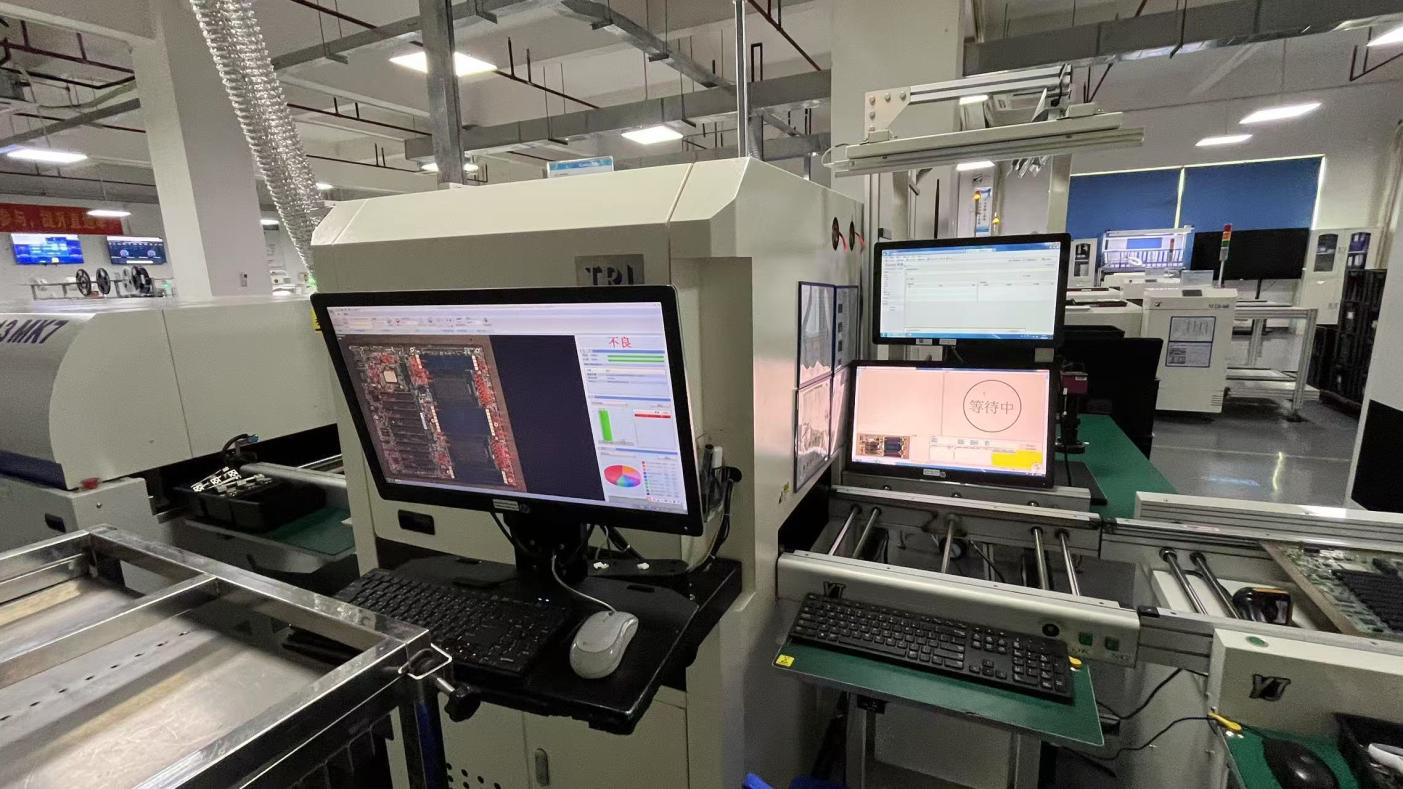
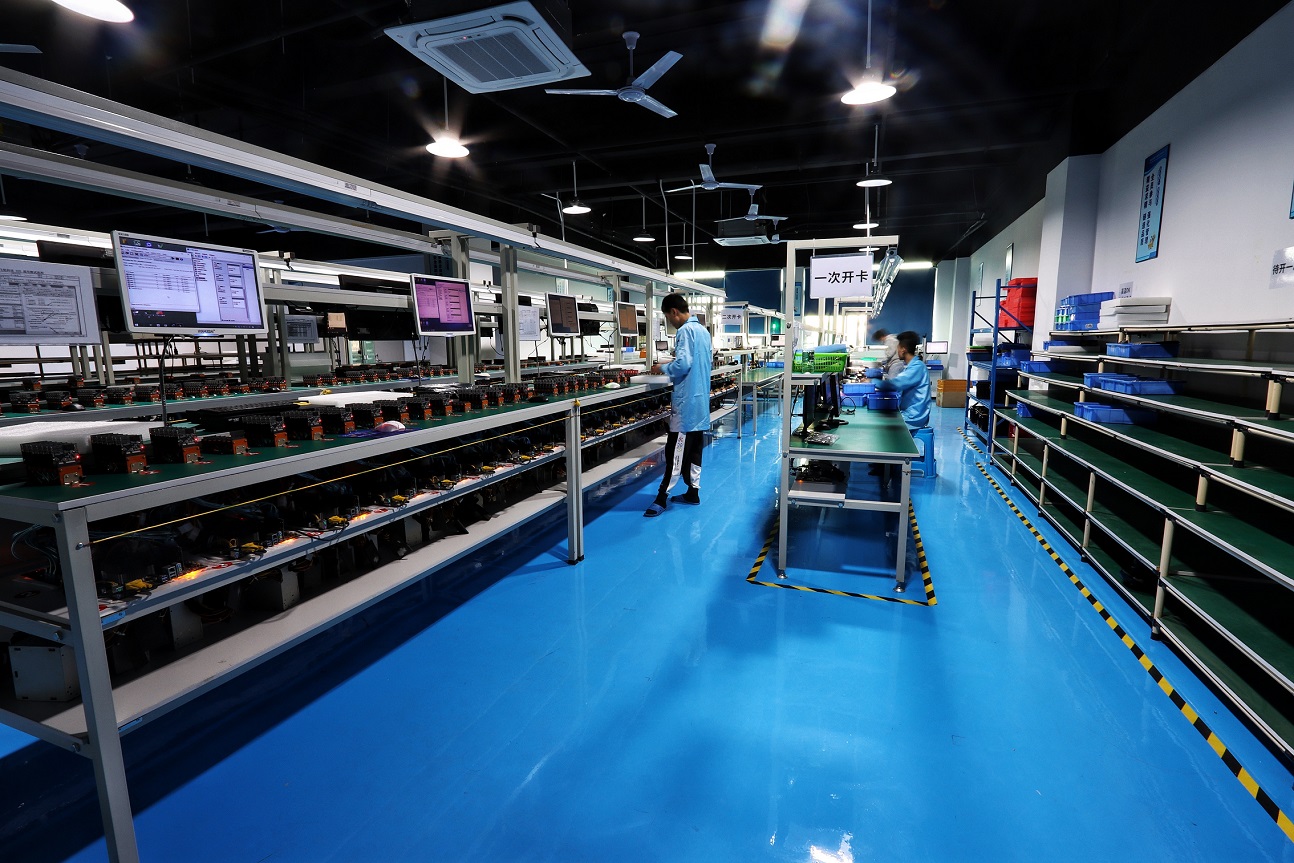
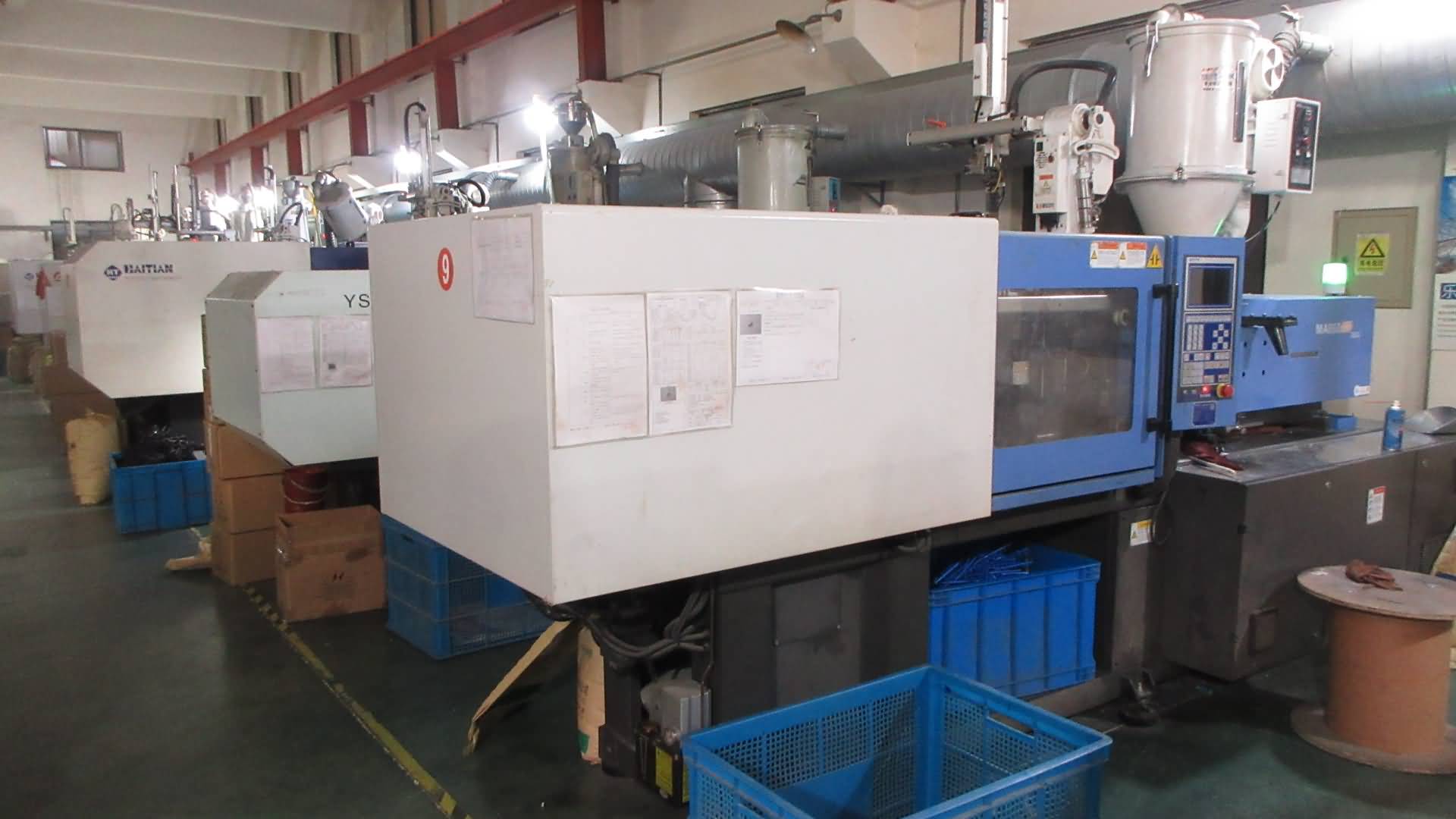
Our modern manufacturing facility covers 23,800 m², integrating advanced production lines, assembly workshops, aging test laboratories, and strict quality control processes to ensure every server meets international standards. With an annual export revenue of approximately USD 28 million, Dynova has built strong partnerships with distributors, system integrators, AI solution providers, universities, research institutes, and enterprise customers across global markets.
Supported by 8 years of export experience and 9 years of industry expertise, we continuously invest in research and development to provide innovative GPU server platforms compatible with leading NVIDIA and AMD accelerator technologies. Our experienced engineering team enables flexible ODM and OEM services, allowing customers to customize CPU platforms, GPU configurations, memory, storage, networking, chassis, cooling systems, branding, and software integration.
Quality is at the core of everything we do. Our products undergo 100% functional testing, burn-in testing, thermal performance verification, compatibility validation, and reliability testing before shipment. A dedicated quality assurance team of 58 inspectors ensures every product delivers consistent performance and long-term stability. Dynova maintains close cooperation with more than 1,260 supply chain partners, enabling efficient procurement, rapid production, and reliable global delivery. Last year, our R&D team successfully launched 186 new products, supported by 142 experienced R&D engineers focused on next-generation AI computing technologies.
Our facilities ensure precision engineering, automated testing, and comprehensive thermal verification.
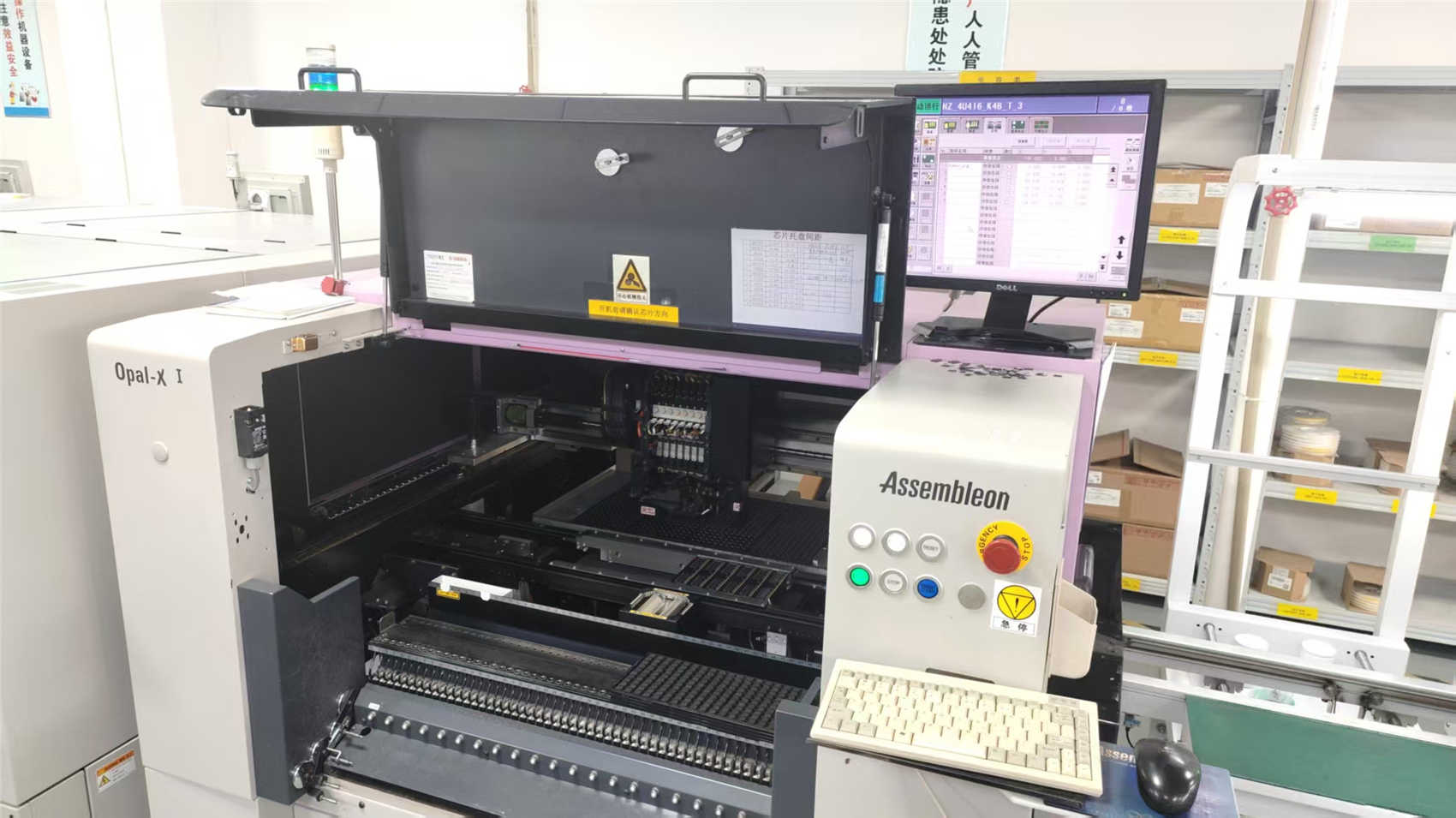
From heavy industrial machinery and smart grid controllers to hyper-scale cloud environments, our power configurations provide reliable operation.
Get answers to critical technical questions regarding high-density Power Distribution Units, deployment, and server integration.
High-efficiency systems designed to optimize computational output per watt, compatible with top-tier smart distribution infrastructure.