Dynova
Dynova
Dynova
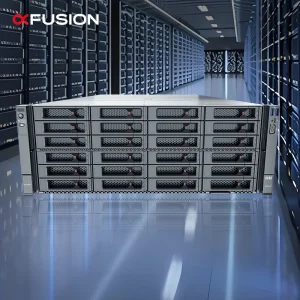
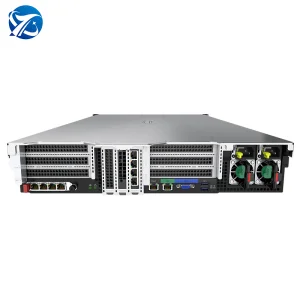
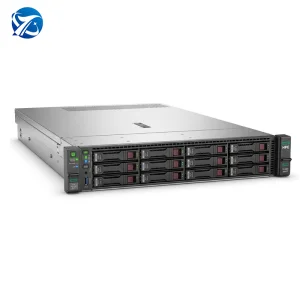
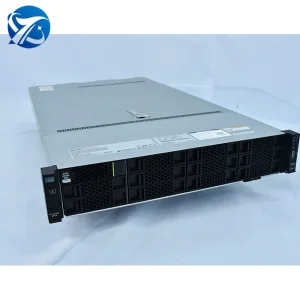
Explore our high-performance hardware, designed to handle compute-intensive applications, virtualization, and enterprise-scale data storage.
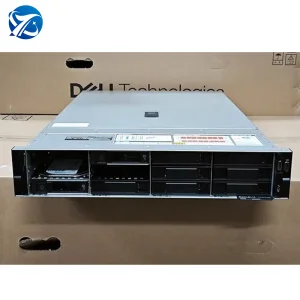
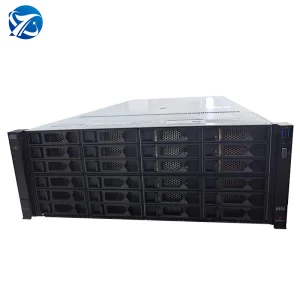
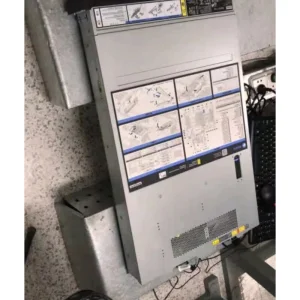
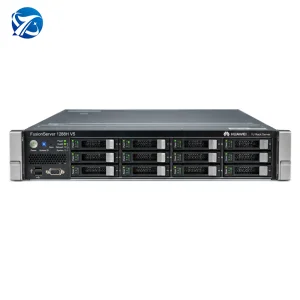
Dynova AI Systems Inc. is a professional manufacturer specializing in high-performance AI GPU servers, GPU workstations, and customized computing infrastructure for AI training, AI inference, HPC, cloud computing, and enterprise data centers. Since our establishment in 2017, we have been committed to delivering reliable, scalable, and energy-efficient GPU computing solutions to customers worldwide.
Supported by 8 years of export experience and 9 years of industry expertise, we continuously invest in research and development to provide innovative GPU server platforms compatible with leading NVIDIA and AMD accelerator technologies. Our experienced engineering team enables flexible ODM and OEM services, allowing customers to customize CPU platforms, GPU configurations, memory, storage, networking, chassis, cooling systems, branding, and software integration.
Quality is at the core of everything we do. Our products undergo 100% functional testing, burn-in testing, thermal performance verification, compatibility validation, and reliability testing before shipment. A dedicated quality assurance team of 58 inspectors ensures every product delivers consistent performance and long-term stability.
Global storage infrastructure requires robust testing, massive R&D, and extensive supply chains. Here is how our metrics support your enterprise goals.
The rapid expansion of artificial intelligence, high-performance computing (HPC), and distributed container workloads has driven a radical transformation in the architectural demands of enterprise data centers. Standard storage topologies are no longer sufficient to handle the unstructured data generation rates of modern systems. Consequently, corporate IT buyers are pivoting from legacy Direct Attached Storage (DAS) and basic Network Attached Storage (NAS) configurations to software-defined, ultra-dense, non-volatile memory architectures.
One of the prominent trends in the industry is the adoption of NVMe over Fabrics (NVMe-oF), which allows servers to access remote NVMe SSDs with latencies comparable to local storage. Our engineering teams at Dynova leverage these low-latency pathways within our customized rack server deployments, ensuring minimal bottlenecking between GPU computing complexes and storage pools. Additionally, the transition to PCIe Gen5 architectures doubles the bandwidth of previous gen hardware, enabling massive data throughput for workloads running on AI clusters like DeepSeek and Llama-based training models.
Procurement officers face highly volatile hardware markets where lead times, compatibility assurances, and strict total cost of ownership (TCO) profiles dictate capital deployment. When evaluating high-density storage factories in China, global system integrators and hyperscalers demand three core attributes:
For enterprise clients, storage is not a monolithic component but a layered ecosystem. We construct macro solutions spanning three distinct operational domains:
Designed for multi-node virtualization environments, utilizing Ceph or GlusterFS configurations to provide scale-out capacity with active replication.
Utilizing high-performance NVMe PCIe Gen 4/5 drives alongside extreme speed M.2 boot drives to feed training data directly to multi-GPU computing arrays.
Deploying ultra-dense LFF (Large Form Factor) HDD servers with multi-tier controller architectures to guarantee minimum active power footprint per Terabyte.
Dynova guarantees complete alignment with international trade and technical directives. Recognizing that localized implementation relies heavily on remote diagnostics and component accessibility, we integrate comprehensive management features (like IPMI 2.0 with Redfish API support) to allow system admins to evaluate hardware health variables globally.
Our testing protocols are highly structured. Our 58 Quality Assurance inspectors monitor a multi-tiered validation program:
Our R&D vision centers around two technology trajectories: Compute Express Link (CXL) hardware pooling and liquid cooling technologies. As computing nodes require larger dynamic memory access patterns, CXL will allow memory and storage hardware resources to be shared dynamically across multiple server motherboards. At the same time, because AI GPU rack densities frequently push beyond 30kW per rack, we are developing next-generation direct-to-chip liquid cooling systems and immersive cooling interfaces for our 1U and 2U high-density configurations, reducing operational PUE levels to below 1.15.
A comprehensive breakdown of our operational parameters, factory sizing, and capability criteria under E-E-A-T manufacturing benchmarks.
| Strategic Metric | Enterprise Capabilities & Specifications |
|---|---|
| Company Name | Dynova AI Systems Inc. |
| Established | 2017 (9 years of industry experience, 8 years of export experience) |
| Facility Area | 23,800 m² modern manufacturing footprint |
| Annual Export Revenue | USD 28 Million |
| Quality Control Staff | 58 Inspectors on-site |
| Business Model | Hardware Manufacturer, OEM & ODM Custom Service Provider |
| Main Export Markets | North America, Western Europe, Southeast Asia, Middle East, Australia |
| Supply Chain Network | Cooperating with 1,260+ qualified upstream component manufacturers |
| Testing Processes | 100% Functional Testing, Burn-in Testing, Thermal Testing, Compatibility Testing, Reliability Verification |
| R&D Capability | Independent Hardware Design, BIOS/Firmware Optimization, Thermal Engineering, AI Infrastructure Development (142 R&D Engineers) |
| Product Releases | 186 New products released last year to accommodate changing storage technologies |
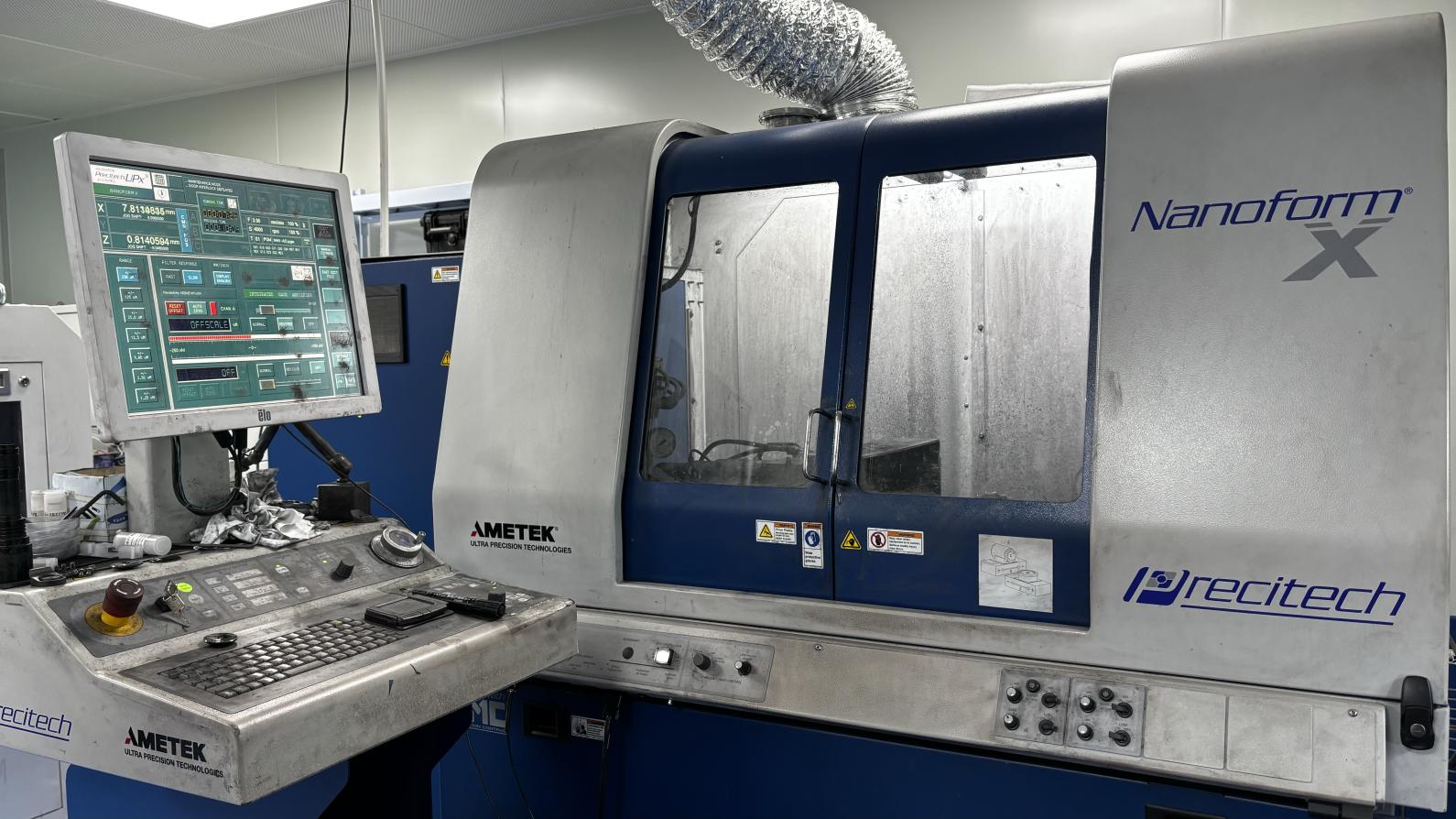
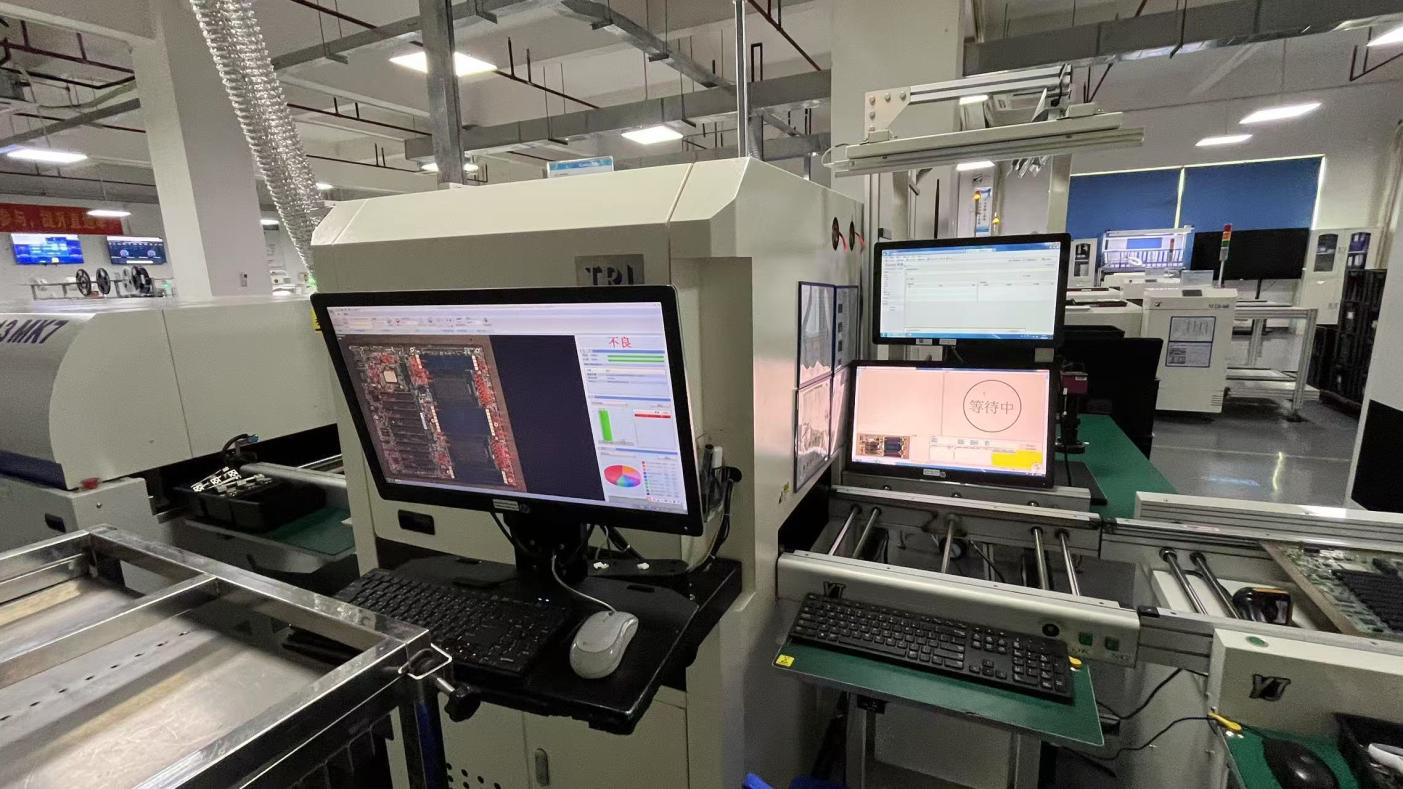
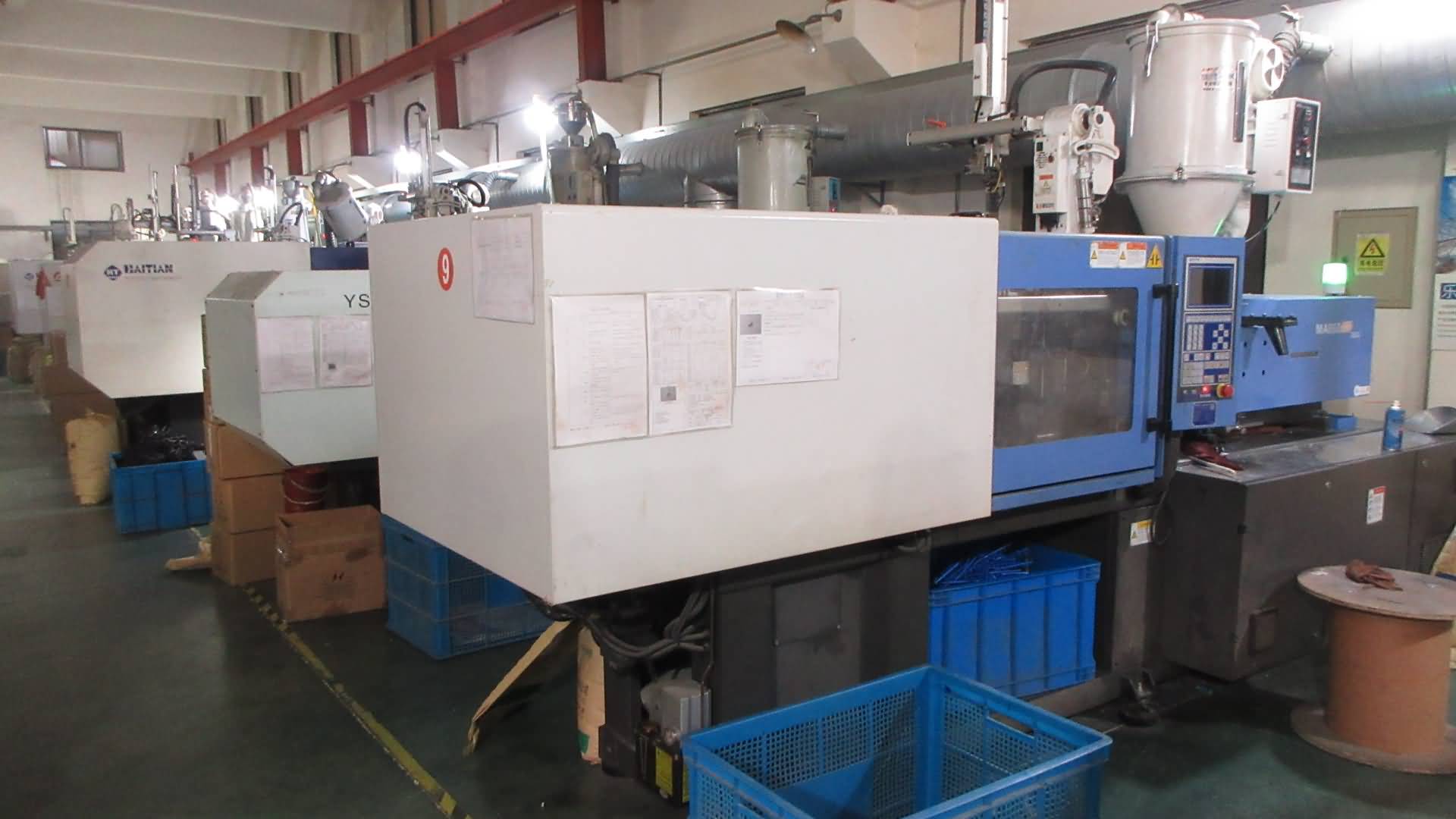
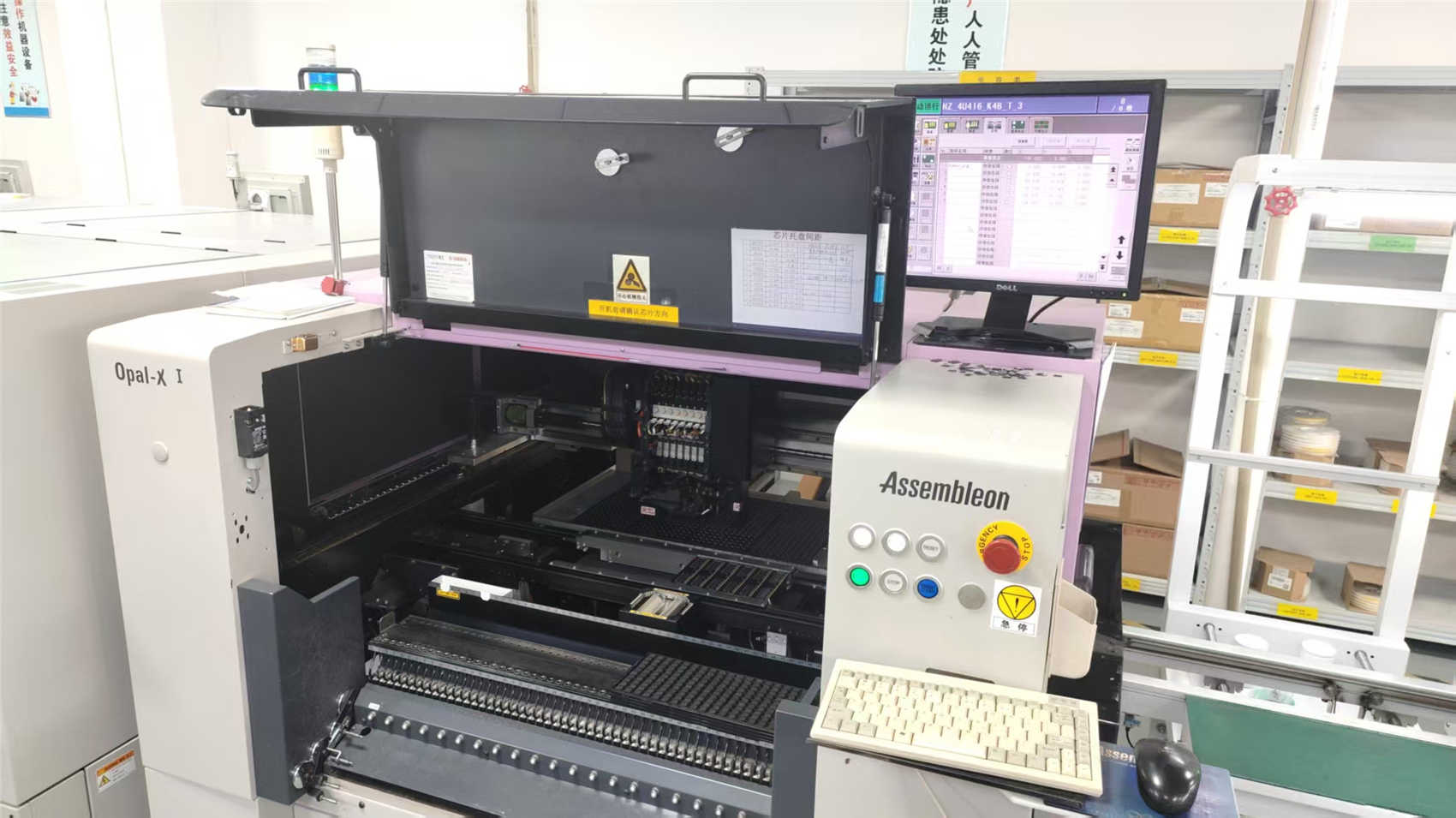
A look inside our manufacturing processes, including cleanroom assembly areas, automated surface mount lines, and QA testing facilities.

Get answers to common technical, customization, and logistical questions when importing enterprise storage servers from our factory.
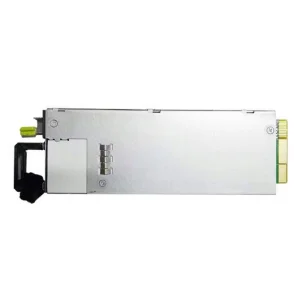
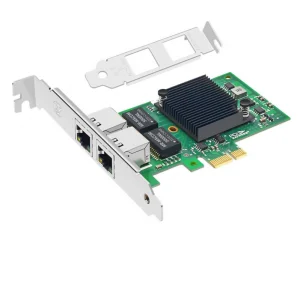
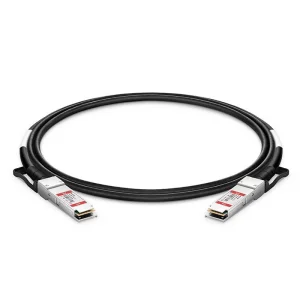
Complete your deployment with our range of high-efficiency enterprise power systems, expansion modules, and high-density networking cables.