Dynova
Dynova
Dynova
In the rapidly evolving digital economy, V7 Server Solutions have emerged as the cornerstone of "Next-Gen" infrastructure. As enterprises transition from traditional data centers to AI-driven environments, the demand for servers that offer higher density, lower latency, and smarter energy management has skyrocketed. China, at the forefront of this industrial shift, has consolidated its position as a global hub for V7 server manufacturing and innovation.
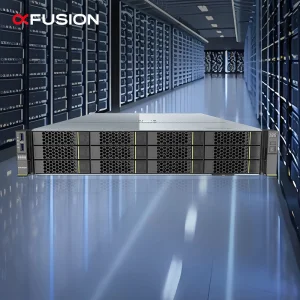
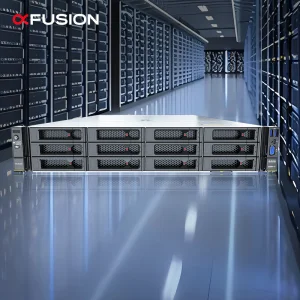
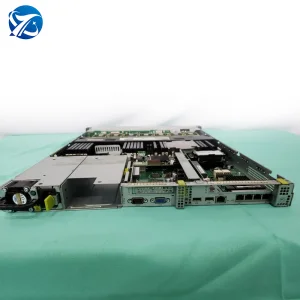
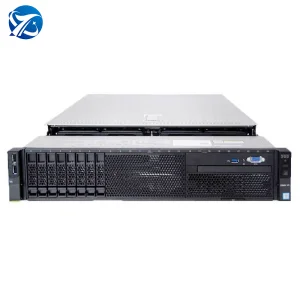
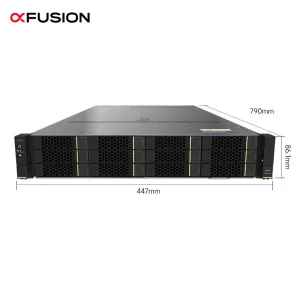
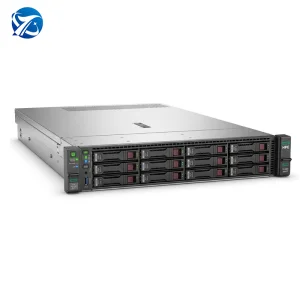
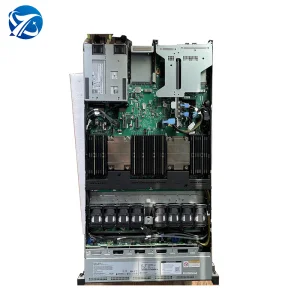
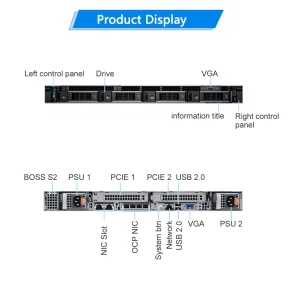
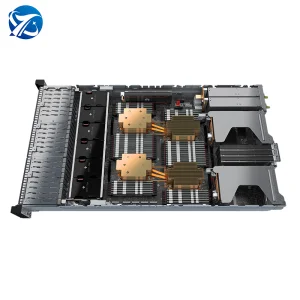
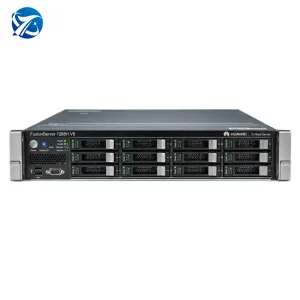
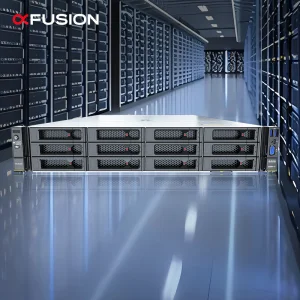
The V7 architecture, primarily represented by series such as the xFusion FusionServer 2288H V7 and 1288H V7, introduces a paradigm shift in computing. Unlike its predecessors, the V7 generation is specifically engineered to handle the massive parallel processing required by Large Language Models (LLMs) and complex scientific simulations. This is achieved through the integration of 4th and 5th Generation Intel® Xeon® Scalable processors, support for PCIe 5.0, and DDR5 memory modules, providing a bandwidth leap that was previously unattainable.
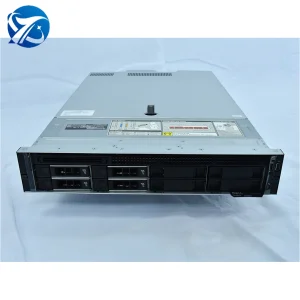
The global server market is currently witnessing a CAGR of approximately 7.8%, with AI-optimized servers growing at nearly double that rate. North American and Western European markets are the primary consumers of high-end V7 configurations, focusing heavily on Liquid Cooling (DLC) and Green Computing standards. In Southeast Asia and the Middle East, the push for "Smart Cities" and regional cloud sovereignty is driving massive procurement of 2U rack servers like the xFusion 2288H V6 and V7 series.
Industrial applications have also moved beyond simple storage. Modern factories are deploying "Edge V7" nodes to facilitate real-time computer vision for quality control, while financial institutions utilize the enhanced security features of the V7 BIOS to protect against quantum-threats and sophisticated firmware attacks.
Future V7 and upcoming V8 iterations will feature native silicon-level optimization for transformer-based architectures, reducing the power overhead of AI inference by up to 30%.
The transition from air cooling to cold-plate liquid cooling and immersion cooling is the primary roadmap for 2025. V7 chassis are already being adapted for high-TDP GPU deployments.
Security is moving from software to hardware. We are integrating RoT (Root of Trust) modules directly into the motherboard circuitry to ensure immutable boot integrity.
1. Healthcare AI: In clinical settings, the FusionServer 2488H V6 (4-socket) provides the massive memory footprint required for 3D genomic sequencing and real-time MRI analysis.
2. Fintech & HFT: High-Frequency Trading firms leverage the low-latency PCIe Gen 5.0 lanes of the V7 series to execute trades in microseconds.
3. Academic Research: Universities are utilizing the xFusion 1288H V7 in high-density clusters to simulate climate change models and physics experiments.
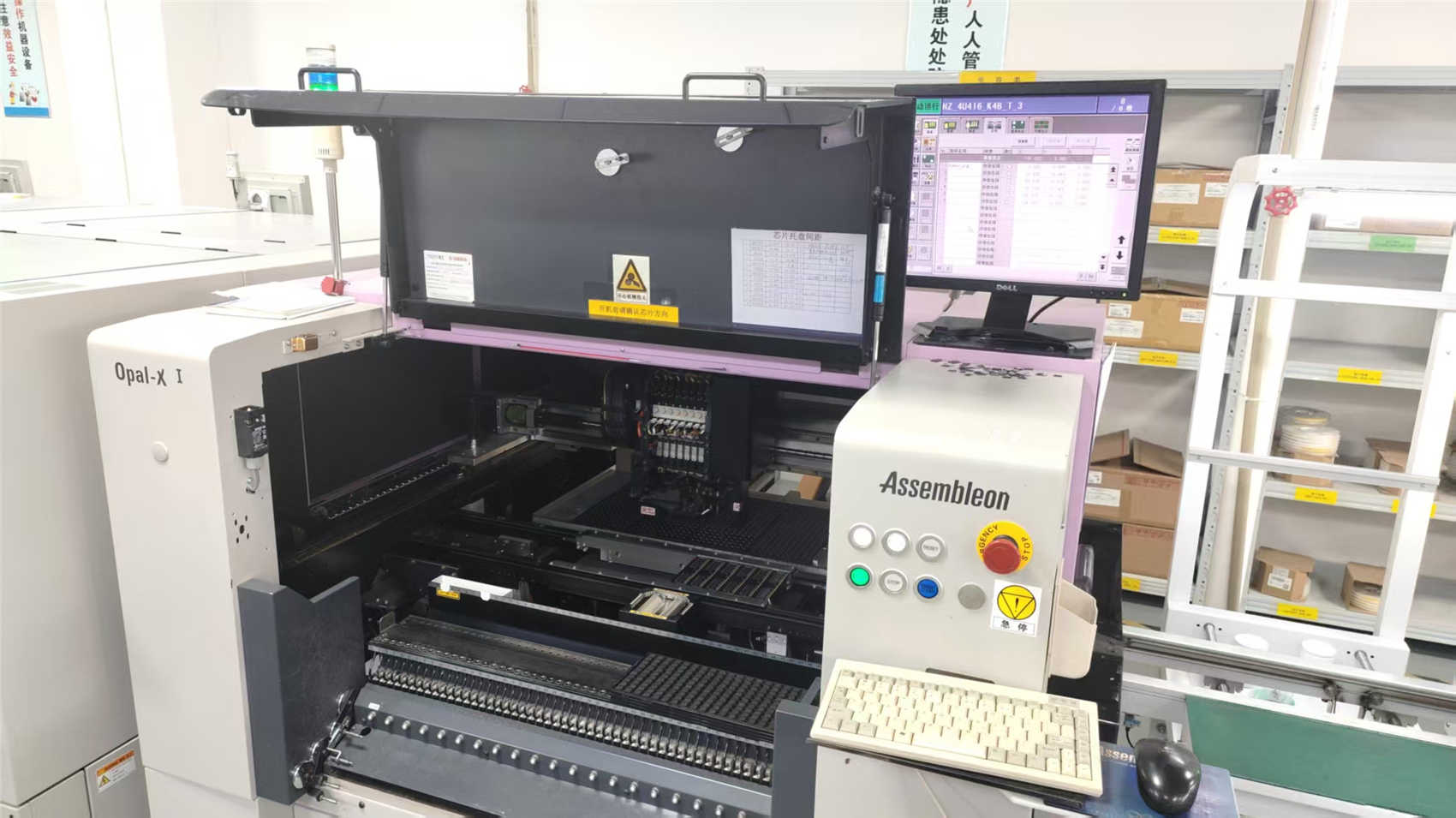
Dynova AI Systems Inc. is more than just a manufacturer; we are a strategic partner in the global AI race. Established in 2017, we have spent 9 years mastering the intricacies of high-performance computing infrastructure. Our 23,800 m² facility in China is a testament to precision engineering, where 58 specialized QA inspectors oversee a 100% functional testing protocol.
We provide comprehensive OEM & ODM services, allowing our clients to customize everything from the chassis branding to the underlying BIOS firmware. With 142 R&D engineers, we released 186 new products last year alone, ensuring our catalog stays ahead of the rapid hardware release cycles of Intel, AMD, and NVIDIA.
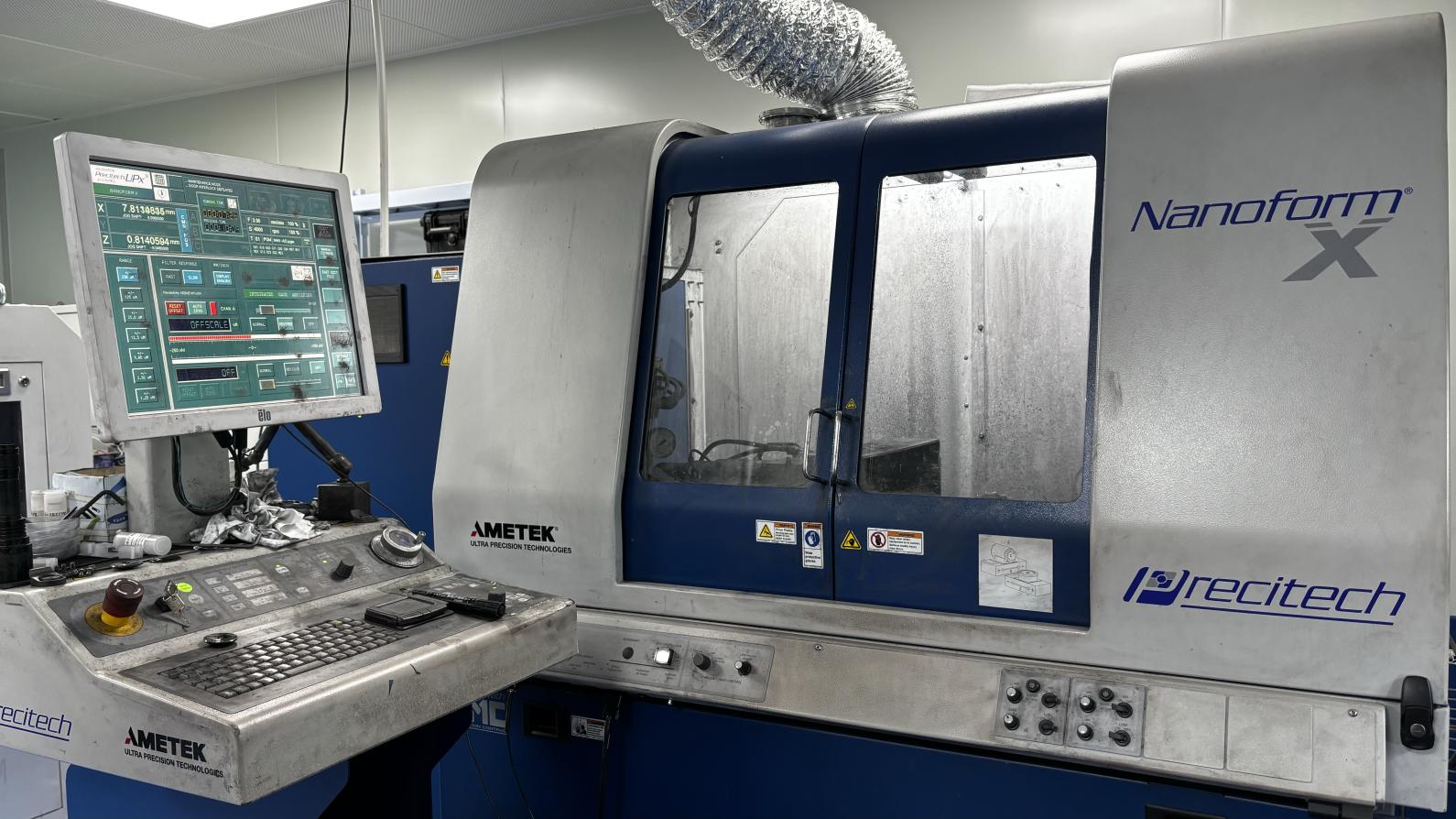
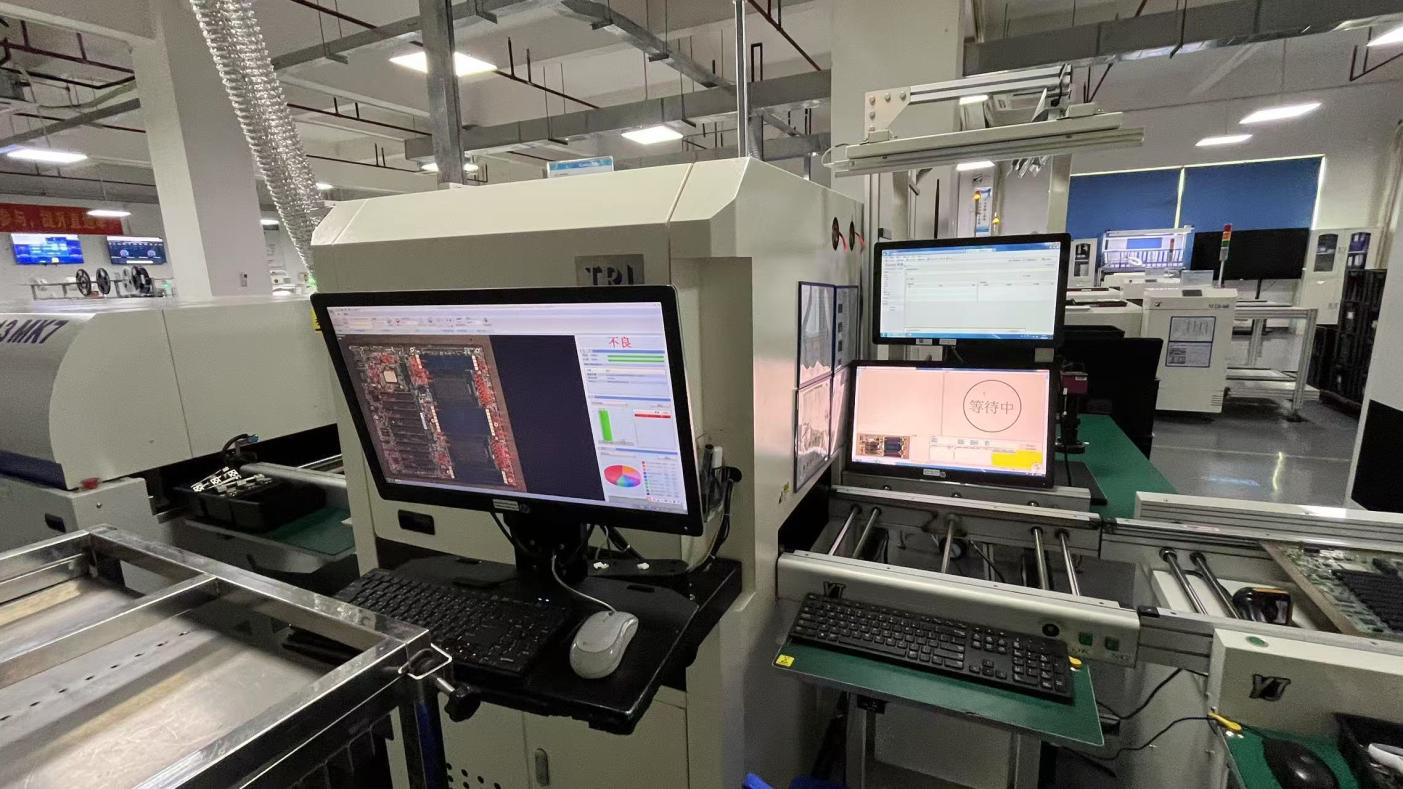
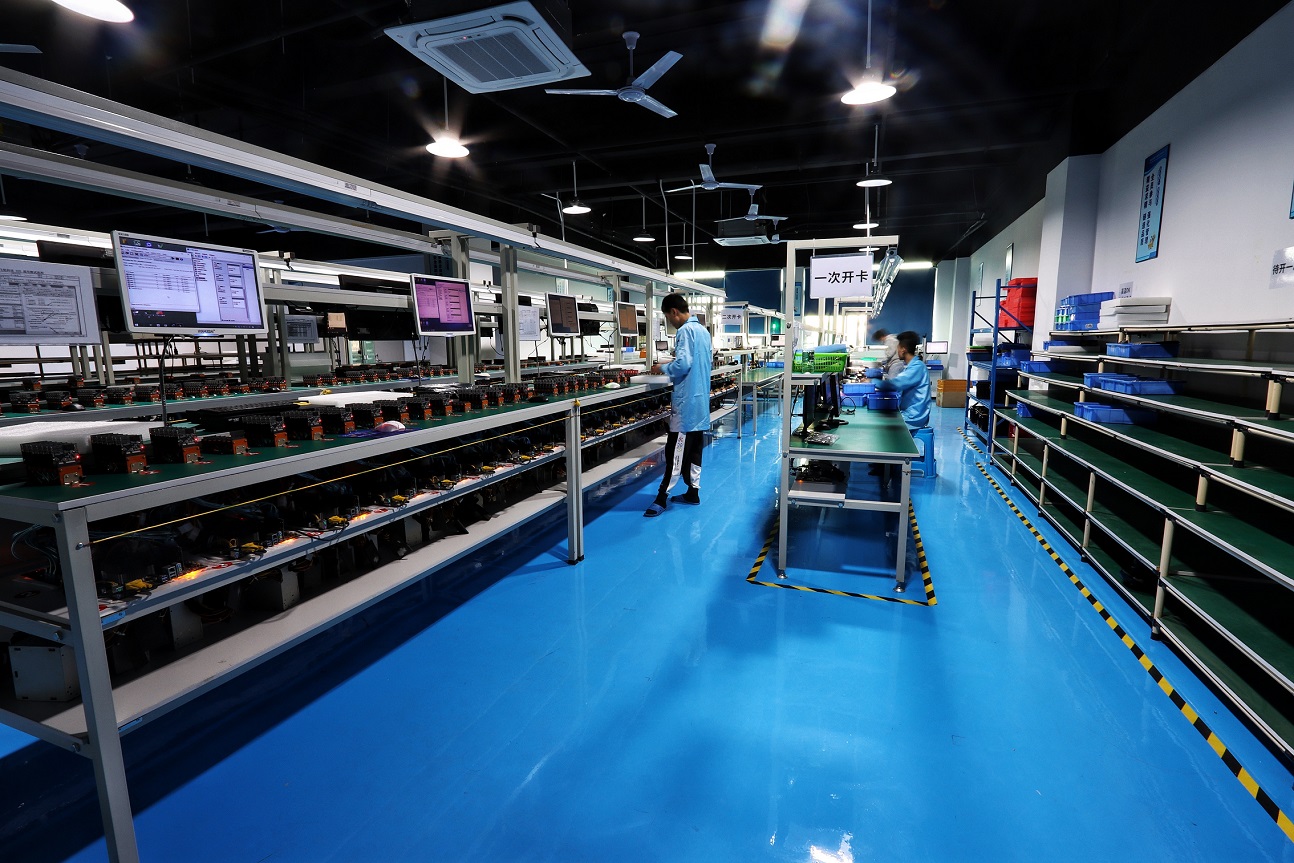
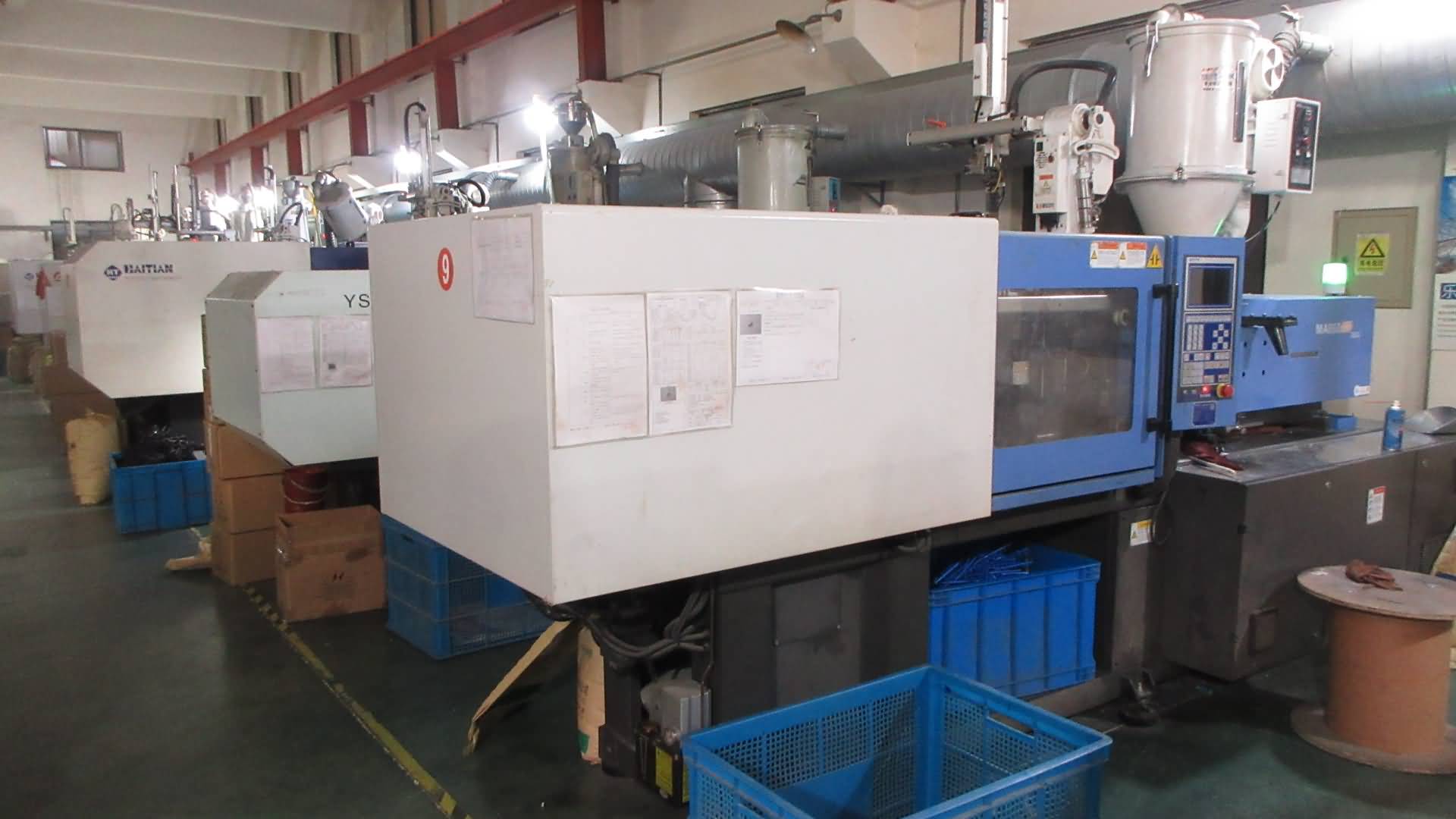
As a leading supplier, we don't just sell hardware; we provide Growth Ecosystems. Our macro solutions are designed to address the Total Cost of Ownership (TCO) for modern enterprises: