Dynova
Dynova
Dynova
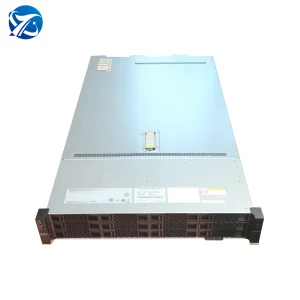
Explore our premium rackmount servers optimized for multi-tenant hypervisors, hardware-assisted virtualization, and low-latency storage access.
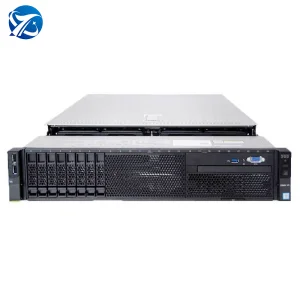
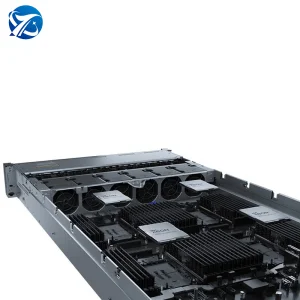
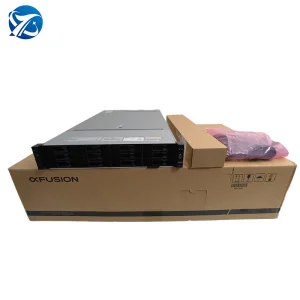
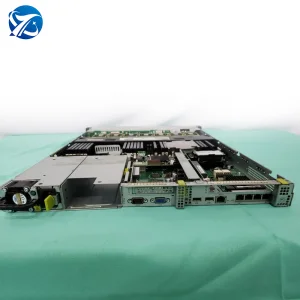
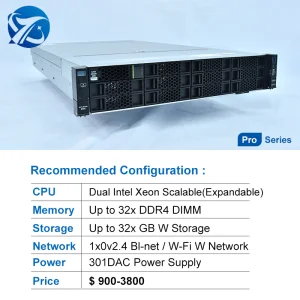
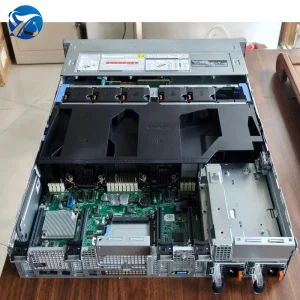
The global enterprise information architecture is undergoing a tectonic shift. As companies run increasingly dense multi-tenant workloads, the necessity for high-efficiency Virtualization Software has grown from simple container management to complex, low-overhead bare-metal hypervisors. Virtualization allows hardware-assisted partitioning of central processing units (CPUs), random-access memory (RAM), graphics processing units (GPUs), and storage networks. This yields unparalleled agility, resource utilization rates exceeding 80%, and bulletproof sandbox environments that protect enterprise assets from malicious exploitation.
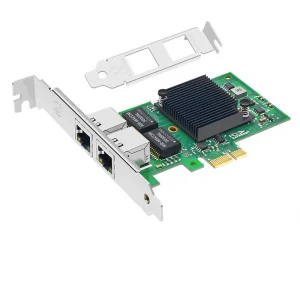
Modern data centers are transitioning away from monolithic virtualization licensing models toward agile, highly customized hybrid hypervisor systems. Technologies like Kernel-based Virtual Machine (KVM), Proxmox Virtual Environment (VE), OpenStack orchestrators, and container systems (such as Kubernetes and LXD) have democratized cloud fabric architectures. Concurrently, hyper-converged infrastructure (HCI) software platforms are converging computation, software-defined storage (SDS), and software-defined networking (SDN) into unified interfaces. When executing workloads such as AI training platforms (e.g., DeepSeek models), high-performance databases, and enterprise resource planning systems (ERP), the software layer requires hardware built with micro-architectural optimizations—such as Intel VT-x, AMD-V, SR-IOV network interface cards, and high-bandwidth PCIe Gen 5 buses.
Executing direct control over hardware layers to guarantee sub-millisecond latencies, perfect for multi-tenant enterprise databases and hyper-converged public clouds.
Dynamic partitioning of high-performance graphics compute nodes to allocate fractional virtual GPU units to distinct AI training, inference, or deep learning workloads.
Securing workloads inside micro-VMs using advanced micro-segmentation, preventing lateral threats in compliance with stringent sovereign security specifications.
Positioned at the convergence of specialized hypervisor virtualization design and industry-standard manufacturing, Dynova supplies the underlying hardware foundations for software-defined datacenters globally.
Founded in 2017, Dynova AI Systems Inc. is an industry-leading manufacturer specializing in high-performance AI GPU servers, GPU workstations, and bespoke virtualized server infrastructures. For nearly a decade, we have bridged the gap between complex virtualization architectures and raw compute performance, delivering scalable, hardware-optimized products for AI workloads, high-performance computing (HPC), and enterprise cloud storage.
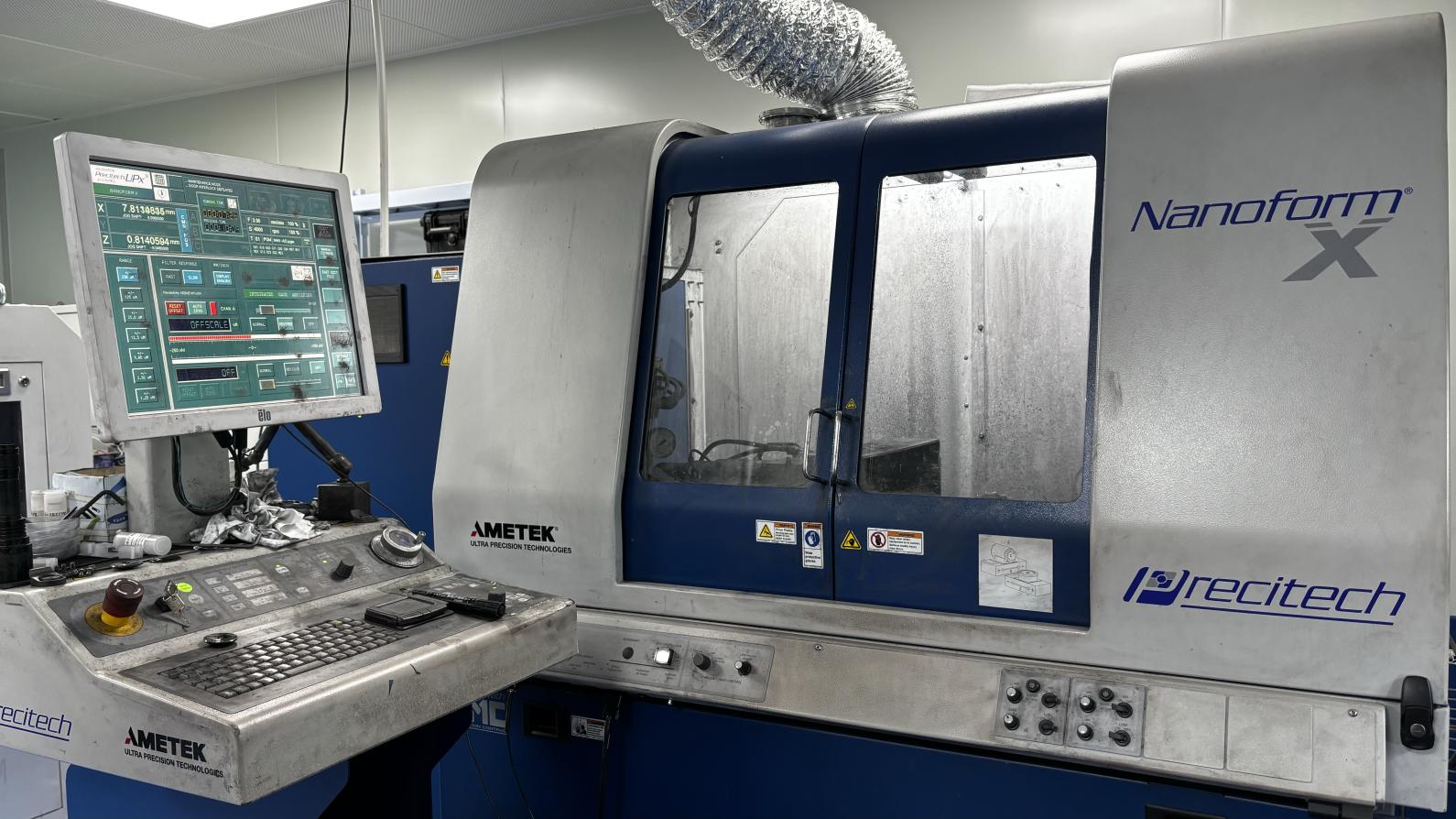
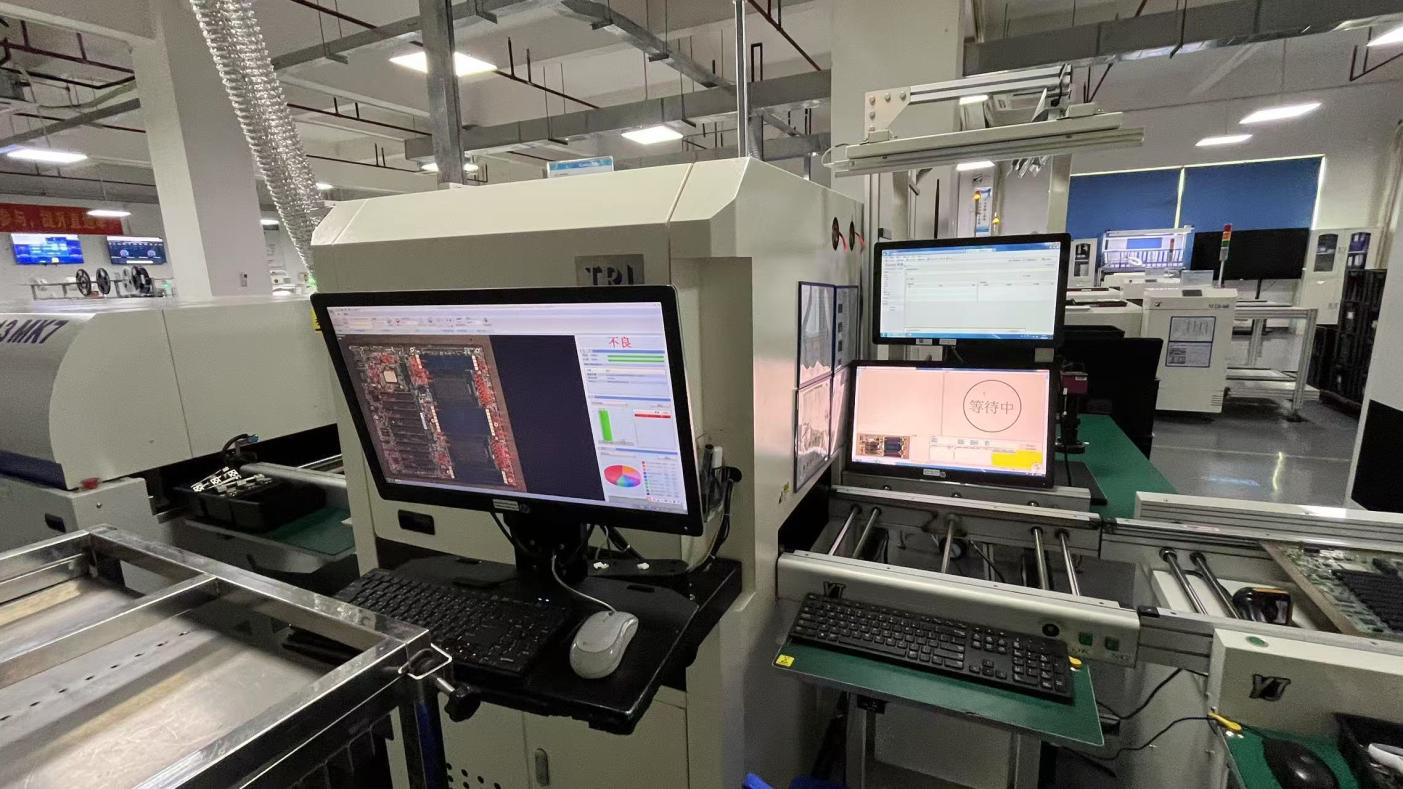
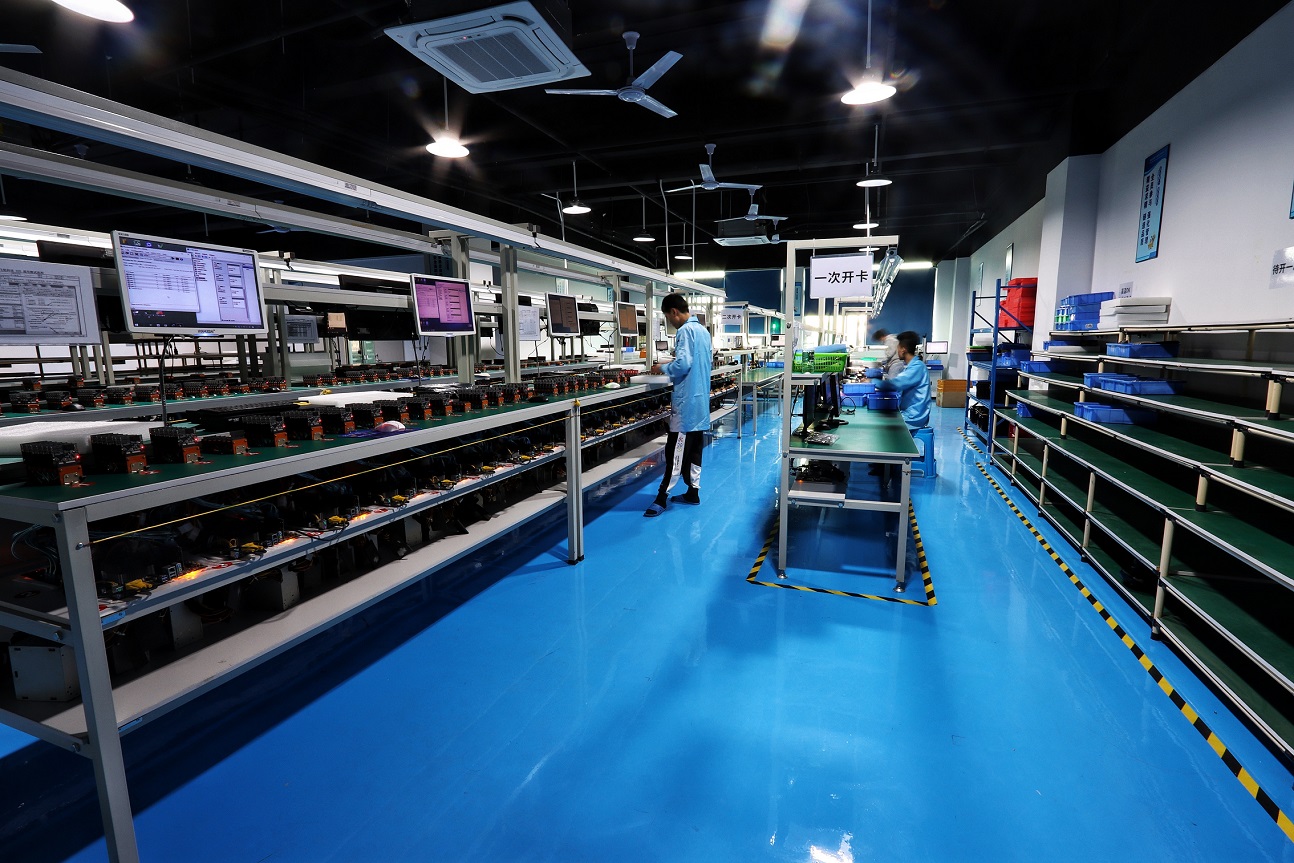
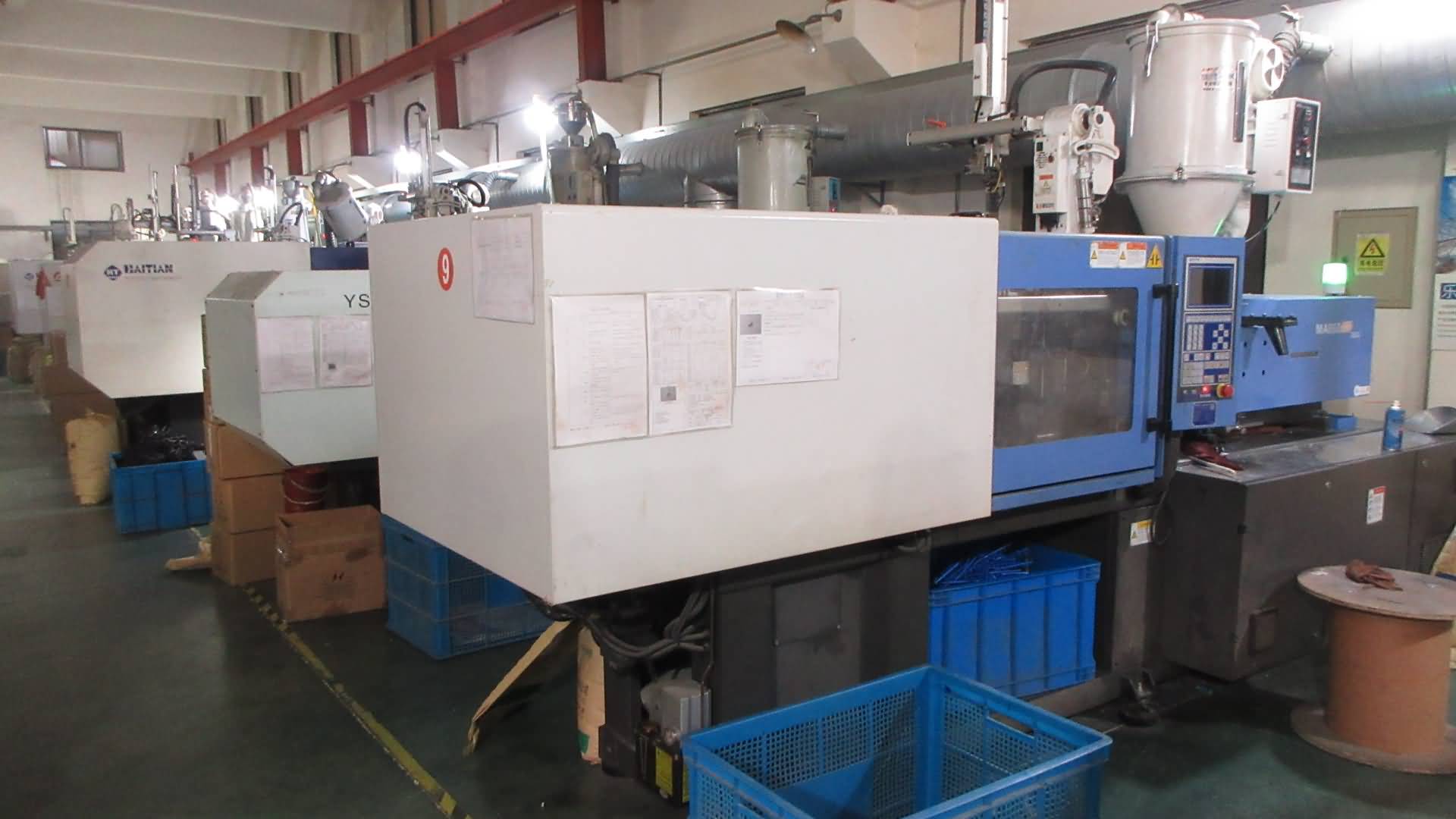
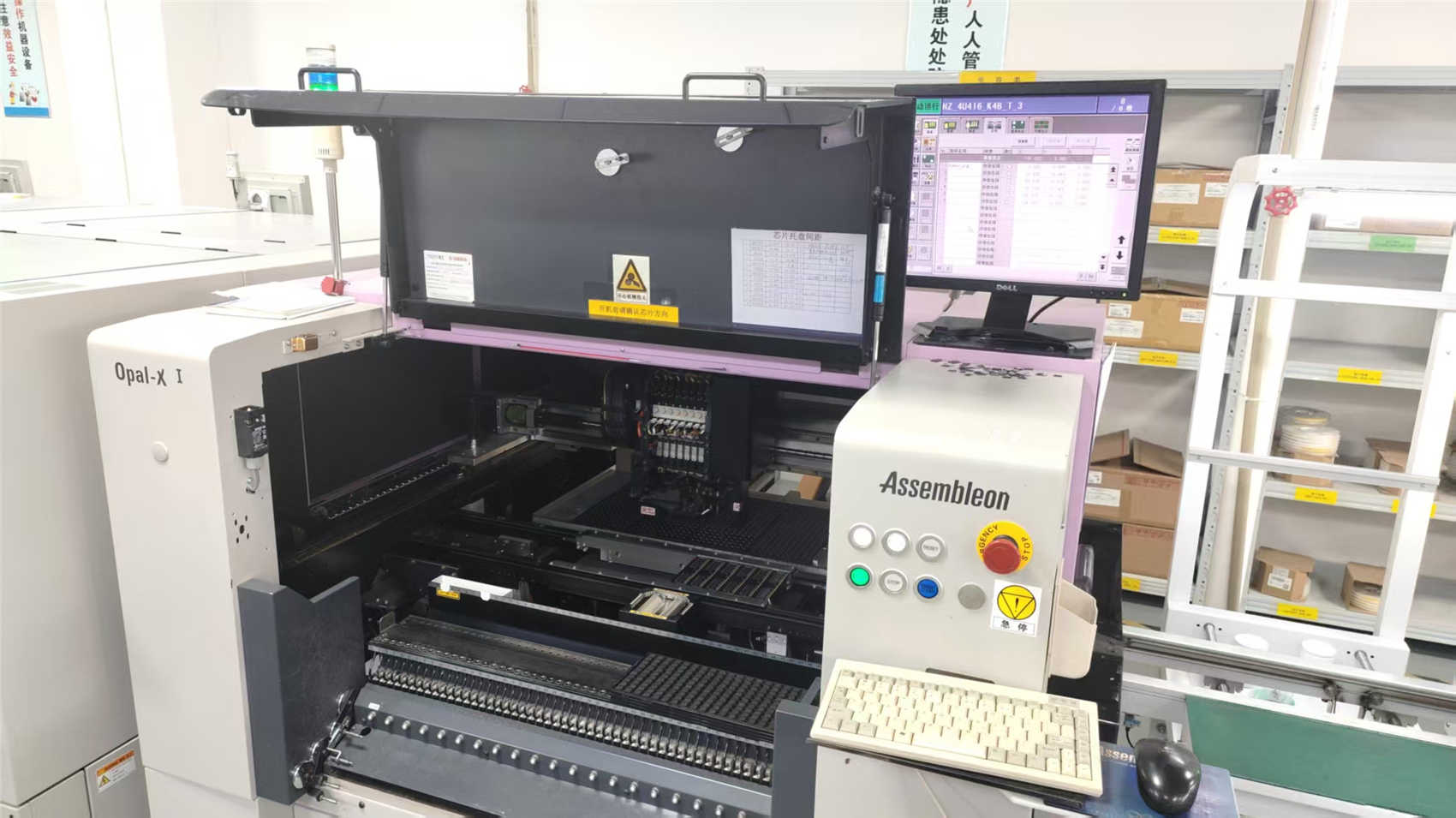
Our expansive 23,800 m² digital manufacturing facility incorporates highly automated PCB assembly, rigid chassis configuration workshops, comprehensive thermal profiling booths, and dedicated high-voltage burn-in laboratories. This infrastructure facilitates complete hardware customizability (OEM/ODM options), allowing enterprise clients to specify BIOS options, customized PCIe slot placements, memory configurations, and thermal performance thresholds.
Virtualization requirements vary by region due to localized regulatory landscapes, hardware constraints, and workload specifications. Below are four key scenarios where Dynova-manufactured compute structures pair with virtualized frameworks to solve specific localized challenges.
Many regional authorities prohibit the storage of public records or sensitive metadata on offshore public clouds. Sovereign clouds utilize bare-metal nodes running local hypervisors (such as KVM-based configurations or Sangfor HCI) to guarantee data residency. These setups require strict network micro-segmentation, cryptographic disk isolation, and physical tamper-proofing. By configuring Dynova servers with hardware-enabled security features (TPM 2.0 modules and localized secure boot parameters), governmental agencies comply with local security frameworks like China's Multi-Level Protection Scheme (MLPS 2.0) or Europe’s GDPR.
Localized financial transaction systems and telecom central offices operate on edge structures where latency is highly sensitive. Virtualizing these operations requires running real-time, low-latency operating systems alongside standard hypervisors on a single rack server. The integration of SR-IOV (Single Root I/O Virtualization) bypasses the virtual switch layers, sending network packets straight to the physical network card. Our systems—powered by Intel Xeon or AMD EPYC platforms—allow financial platforms to run isolated payment APIs and high-frequency algorithms inside secure virtual machines without introducing latency overhead.
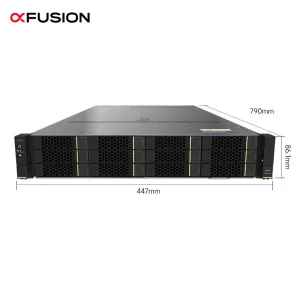
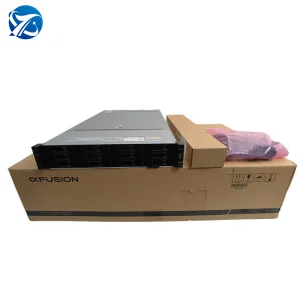
With the rise of localized Large Language Models (LLMs) like DeepSeek, many corporations need to run localized AI inference engines on-premises to protect their IP. Rather than allocating a dedicated multi-GPU server to a single application, enterprise virtualization software partitions physical GPUs into vGPUs. Using Dynova’s advanced GPU-capable servers (like the xFusion 2488H V7 or 2258 V7), multiple business departments can share a single hardware cluster, running localized customer support models, document analysis pipelines, and semantic search indexes concurrently.
Modern smart manufacturing facilities consolidate many legacy proprietary PLCs (Programmable Logic Controllers) onto single industrial virtualization servers. These virtualization layers host real-time kernels running manufacturing execution systems (MES), AI vision inspection tools, and warehouse automation software. Hardware redundancy is critical: if a server node fails, the hypervisor must migration-mirror workloads to a backup node instantly. The physical resilience of Dynova's platforms (equipped with redundant hot-swap power supplies and industrial-grade high-static-pressure fans) ensures continuous uptime for production floors.
The virtualization domain is shifting from traditional CPU-centric resource sharing to holistic acceleration-aware infrastructure architectures. Dynova's R&D path reflects this transformation, ensuring our hardware keeps pace with software-defined design.
| Virtualization Trend | Core Technical Mechanism | Hardware Optimization Layer | Estimated Market Adoption |
|---|---|---|---|
| Micro-VMs & WebAssembly | Running lightweight virtual processes (Firecracker VMs) with sub-10ms startup cycles for serverless computing. | Fast CPU-cache allocation (L3 cache optimizations) and rapid flash-based NVMe storage retrieval. | Standardized in Enterprise Clouds by 2026. |
| Direct DPU/IPU Offloading | Offloading storage networks (NVMe-oF) and overlay networking from host CPU to specialized SmartNICs. | Dual-socket PCIe Gen 5 configurations with direct-to-CPU lanes. | Widespread adoption in major cloud centers by 2025. |
| AI-Orchestrated Scheduling | Predictive resource scheduling where the hypervisor anticipates traffic surges and migrates VMs automatically. | Deep integrations with IPMI telemetry, BMC sensors, and environmental monitoring systems. | Enterprise mainstream by 2028. |
| Liquid-Cooled Cloud Nodes | Higher density virtualization nodes cooled via direct-to-chip water block cooling loops. | Sealed chassis configurations with specialized quick-disconnect cooling manifolds. | Crucial for high-density vGPU nodes by 2025. |
As virtualization software providers optimize hypervisors for zero-overhead configurations, CPU platforms must adapt. Future Dynova servers will offer deep hardware-level hypervisor integration, allowing native virtualization controls to run directly on internal system controller hubs. This reduces latency to near-native levels, making virtual machines as efficient as containerized processes.
The global server market demands consistent component availability, agile product engineering, and strict cost controls. Dynova's manufacturing operations are designed to provide these operational advantages to our global partners:
Our integration with over 1,260 supply partners gives us direct access to raw PCB substrates, custom backplanes, high-frequency connectors, and thermal fans, minimizing global shortages.
Managed by 58 quality control engineers, our test sequence includes burn-in, thermal profiling, and compatibility validations to ensure every system arrives production-ready.
With 142 R&D engineers, we can customize hardware systems—from customized rack layouts to optimized BIOS parameters for specific virtualization platforms.
Our proximity to Shenzhen's high-tech logistics hubs allows us to accelerate production timelines. Whether delivering standard virtualization systems or custom configurations, we minimize shipping delays. This speed to market helps our international distributors optimize inventory costs and maintain competitive lead times.
Enterprise IT projects require strict compliance with regional standards and dependable technical support. We build compliance and reliability into our hardware design and client services.
Get answers to common technical questions about Dynova's hardware platforms and enterprise virtualization compatibility.
Explore our premium rackmount servers optimized for multi-tenant hypervisors, hardware-assisted virtualization, and low-latency storage access.
Take an inside look at Dynova AI Systems Inc.'s 23,800 m² factory production floor, modern equipment arrays, assembly labs, and thermal validation chambers.