Dynova
Dynova
Dynova
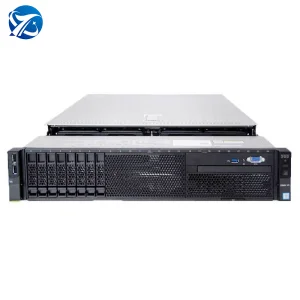
Navigating the Era of High-Density Compute, Liquid Cooling Integration, and GenAI Workloads.
The global data center market is undergoing a seismic paradigm shift. The rapid transition from transactional enterprise applications to artificial intelligence (AI), machine learning (ML), and high-performance computing (HPC) has fundamentally altered the baseline requirements of infrastructure design. Modern data centers are no longer simple aggregations of commodity dual-socket servers. Instead, they function as unified hyper-compute fabrics that demand extreme power delivery systems, localized liquid loop cooling, and high-frequency network fabrics.
This macro-level evolution is driven largely by LLMs (Large Language Models), exemplified by modern decentralized open-source models like DeepSeek R1 (671B parameters), which require specialized clusters optimized for massive INT8/FP8 numerical computation. Hardware configurations must accommodate high-bandwidth memory (HBM3e), dense NVMe storage tiering, and PCI-Express Gen 5 or Gen 6 switching architectures. Standard 19-inch racks that formerly operated at 5kW to 10kW are now operating at 30kW to 100kW per cabinet. As a result, enterprise buyers must seek highly tailored, bespoke server solutions directly from design-capable manufacturers who can custom-engineer thermal envelopes, BIOS profiles, and power distribution subsystems.
Key Trend Insight: By 2026, over 65% of global hyperscale workloads are projected to rely on customized hardware profiles. Standard off-the-shelf servers often fail to meet the stringent power-use effectiveness (PUE) and thermal management standards enforced by municipal regulatory bodies globally.
Furthermore, cloud service providers (CSPs) and enterprise data centers are actively diversifying their silicon supply chain. The coexistence of AMD EPYC, Intel Xeon Scalable, NVIDIA Tensor Core, and alternative custom ASIC chips requires multi-platform architectural versatility. OEM/ODM custom manufacturers like Dynova AI Systems Inc. play a pivotal role, translating complex system integration diagrams into robust, mass-produced physical compute engines that perform continuously in enterprise production environments.
Delivering Bespoke GPU Server Architectures with Uncompromised Testing Rigor.
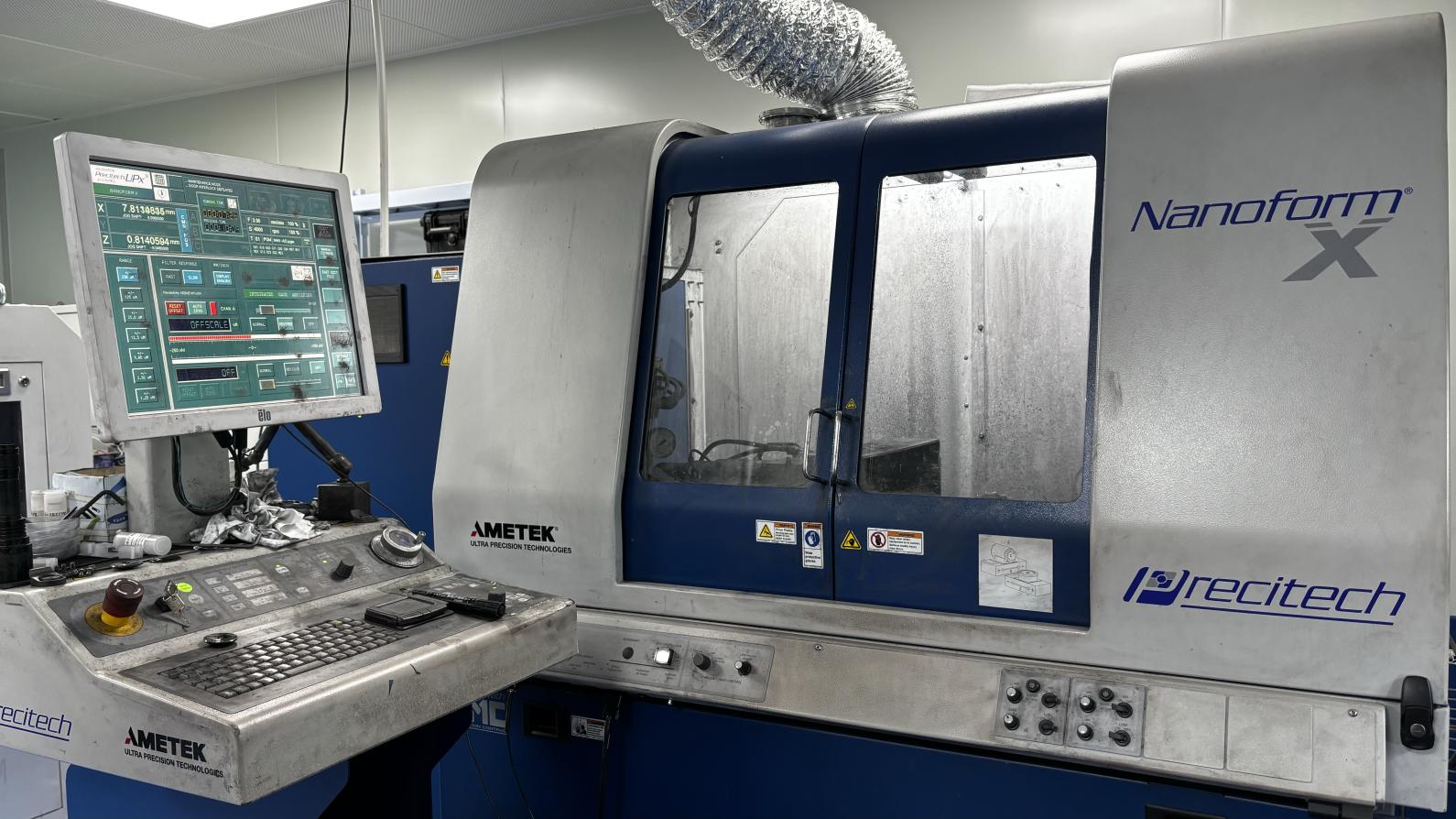
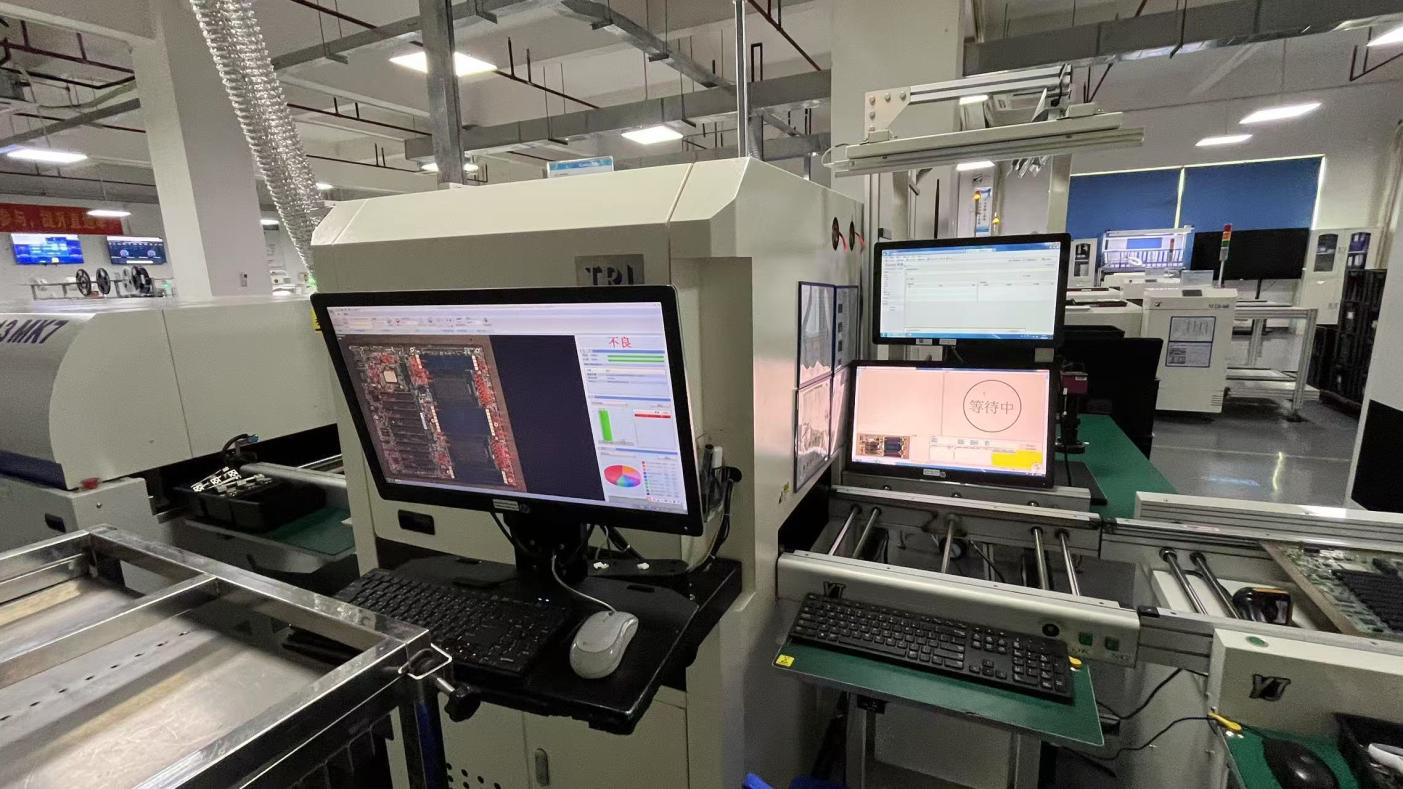
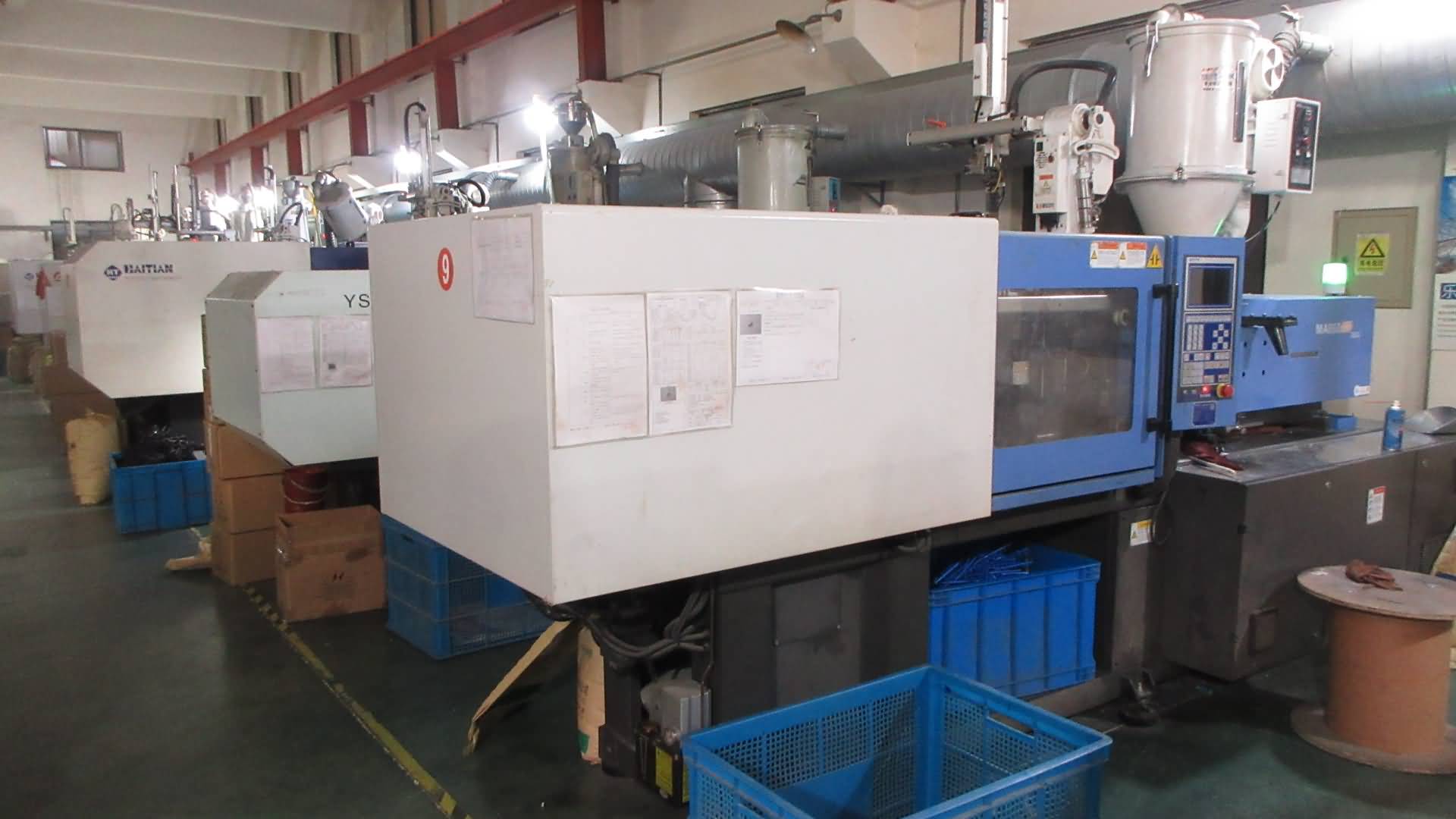
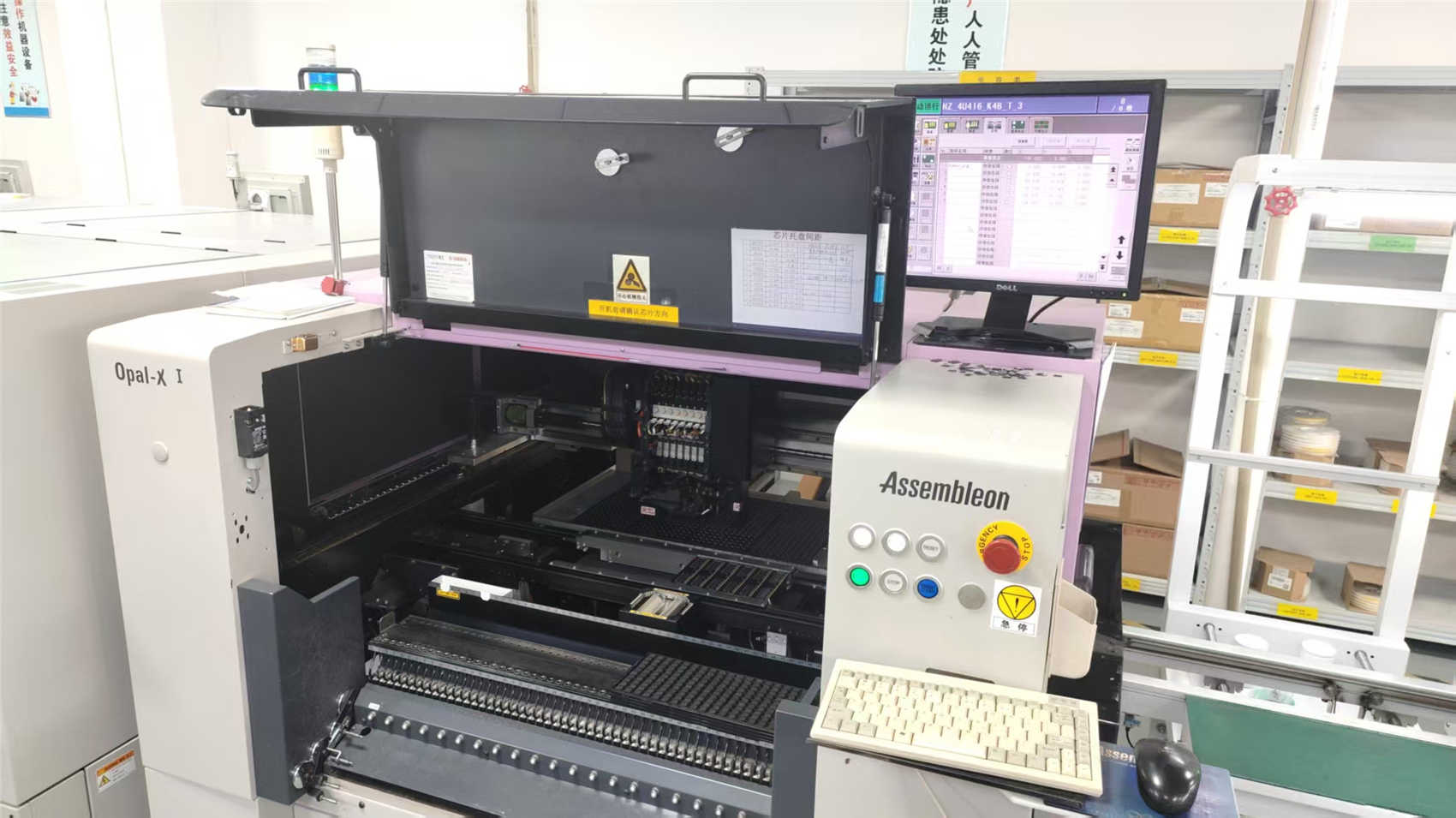
Established in 2017, Dynova AI Systems Inc. is a leading-edge designer and manufacturer of high-performance GPU server structures, deep-learning workstations, and rackmount storage platforms. Over the past 9 years of industry experience and 8 years of dedicated global export execution, Dynova has built a solid reputation for technical capability. Our operation spans a state-of-the-art 23,800 m² manufacturing facility that integrates automated SMD placement lines, high-precision chassis milling units, and dedicated environmental testing chambers.
Dynova’s technical prowess is anchored by our 142 experienced R&D engineers. This team operates at the component and logical circuit layer, offering customers deep customization options across various parameters:
Direct integration of Intel Xeon, AMD EPYC, NVIDIA Ampere/Hopper/Blackwell architectures, alongside hybrid GPU topologies designed for high interconnect bandwidth (PCIe Gen 5/CXL).
Customization of UEFI, BIOS, and BMC (Baseboard Management Controller) configurations to maximize performance efficiency, manage energy consumption, and optimize IPMI security protocols.
Development of bespoke air-duct flow geometries, copper vapor-chamber heat dissipation blocks, and liquid-cooling manifold routing to meet stringent local PUE targets.
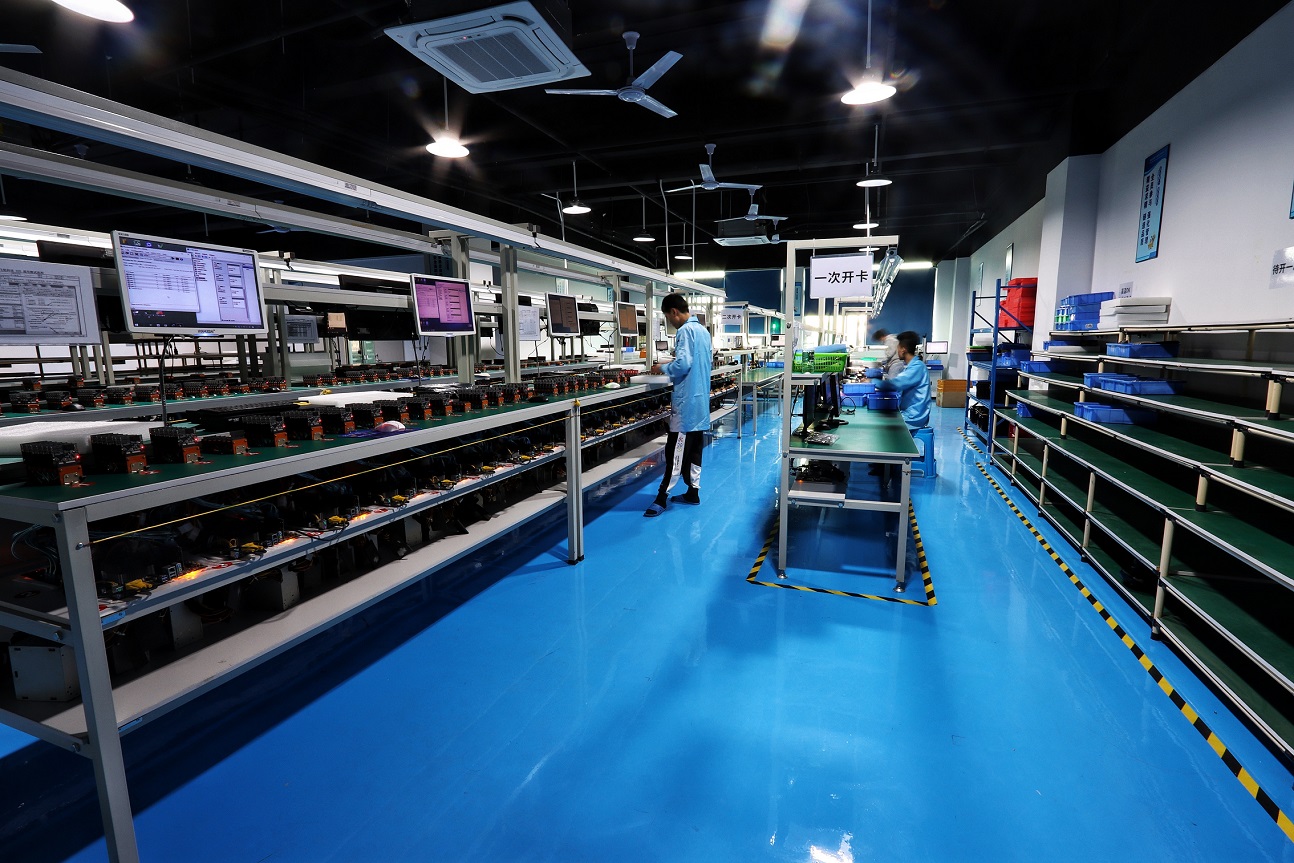
A critical pillar of our operation is quality verification. Backed by a dedicated quality assurance division consisting of 58 certified inspectors, we perform comprehensive multi-stage testing on 100% of our products before dispatch. The QA protocol includes:
| Customization Parameter | Standard OEM Range | ODM Capabilities |
|---|---|---|
| Chassis Form Factor | 1U, 2U, 4U, 8U Standard Rackmount | Bespoke dimensions, custom fan arrays, vertical-blade styles |
| GPU Coexistence | 4 to 8 PCIe GPU Cards (Dual-Slot) | Liquid-cooled multi-GPU configurations, hybrid acceleration models |
| BIOS Modification | Standard Custom Boot Logo & Default Settings | Bespoke PCIe lane allocation, custom sensor curves, security keys |
| Memory Density | Up to 4TB DDR5 per Server node | CXL 2.0 expansion boards, memory tiering optimization |
| Power Distribution | 80 PLUS Platinum Redundant (800W - 3200W) | 80 PLUS Titanium, customized AC/DC input types, busbar options |
Leveraging China's Advanced Electronics Supply Ecosystem for Dynamic Global Delivery.
Dynova’s production facilities are located at the center of China’s advanced electronics manufacturing cluster. This strategic positioning provides access to unmatched logistical and material efficiency advantages. The local industrial ecosystem offers deep integration across every tier of the electronics supply chain. We maintain active partnerships with more than 1,260 verified supply chain partners, securing rapid, cost-effective access to components ranging from raw multi-layer FR4 PCBs and low-impedance power capacitors to precision structural components.
This ecosystem integration offers concrete business benefits for global enterprise buyers:
1. Compressed Prototyping Cycle times: While traditional Western ODM timelines for custom motherboard or backplane revisions can span several months, Dynova's integrated engineering-to-factory loop can produce a physical, functional motherboard prototype within 15 to 21 working days.
2. Direct Material Access: Direct supplier relationships eliminate multiple layers of distribution markups, giving our clients highly competitive BOM (Bill of Materials) pricing. Additionally, close supply-chain tracking allows us to maintain stable lead times, even during industry-wide semiconductor shortages.
3. High-Throughput Manufacturing: The capacity of our 23,800 m² facility, combined with skilled assembly personnel, enables us to scale production from small-batch enterprise pilot runs to large-scale hyperscale deployments of thousands of nodes per month.
Supply Chain Fact: The close physical proximity of our supply chain partners reduces lead times for metal chassis fabrication and custom cabling assemblies to less than 48 hours, minimizing production interruptions.
Last year alone, our hardware engineering team released 186 new products, highlighting our rapid design and product-development capability. By choosing Dynova, international buyers benefit from China's advanced manufacturing efficiency, backed by professional localized technical support and global warranty coverage.
How Dynova Architectures Address Today's Demanding Compute Challenges.
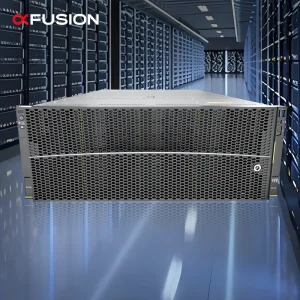
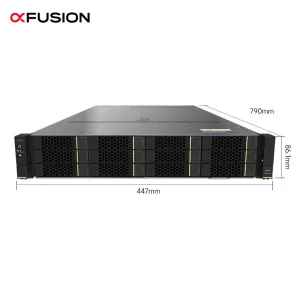
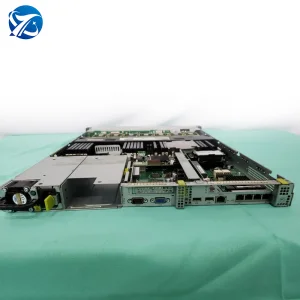
Modern machine learning systems require massive data pipelines and compute capabilities. Dynova's multi-GPU server lines, including our xFusion G5500 V7 optimized nodes, are designed for the high interconnect speeds needed for model parallelism. Featuring support for dual AMD EPYC or Intel Xeon processors, PCIe Gen 5 interconnects, and up to 4TB of high-speed system RAM, these servers minimize bottlenecks when training massive language models. Dynamic system profiles can be optimized specifically for training frameworks like PyTorch, TensorFlow, and container platforms like Kubernetes.
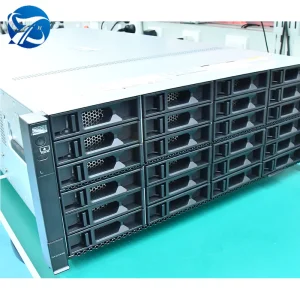
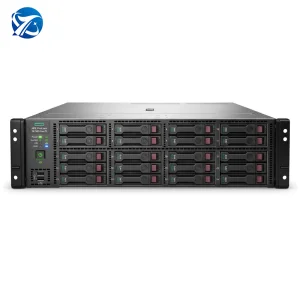
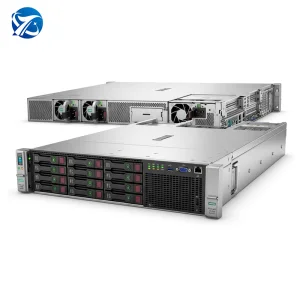
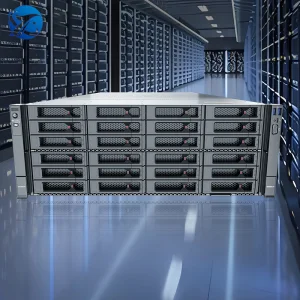
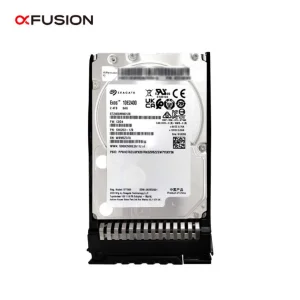
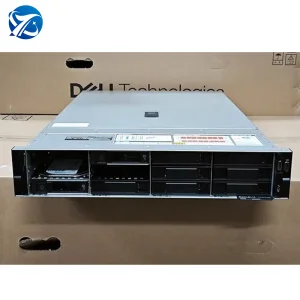
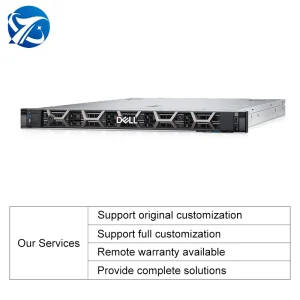
Modern data centers prioritize high density. By pairing HPE ProLiant and Dell PowerEdge platforms with high-end NVMe PCIe read-write hybrid storage (such as the EP600 or Samsung PM893 series SSDs), Dynova builds high-throughput storage systems. These setups are designed to handle demanding virtualization environments, low-latency databases, and scalable network storage configurations, helping to optimize overall data center footprint.
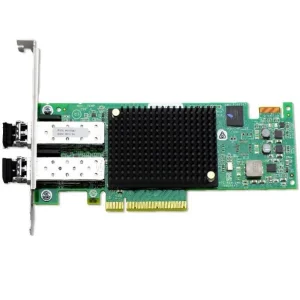
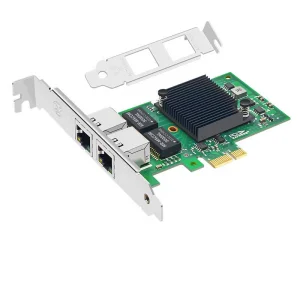
In quantitative trading, low latency is critical. We build custom server nodes featuring low-latency network interface cards, high-performance host bus adapters (such as Emulex LPe35002 Dual Port 32GB FC32), and optimized RAID arrays (using LSI 9560 cache controllers). These servers deliver fast transaction times, minimal packet loss, and robust system availability.
For cloud providers offering secure multi-tenant hosting, our servers can be pre-configured with secure boot profiles, hardware-enforced virtualization extensions, and dedicated baseboard management chips. This ensures secure infrastructure segregation, reliable remote resource management, and clean integration into OpenStack, VMware Cloud, or Kubernetes orchestrators.
Mitigating Deployment Risks Through Rigorous Hardware Validation and Global Compliance Standards.
Enterprise IT infrastructure buyers must navigate complex validation requirements when selecting hardware. Selecting an OEM/ODM partner requires evaluating not only direct hardware costs but also long-term reliability, firmware security, and compliance with local regulatory frameworks. Operating internationally requires strict adherence to global safety and environmental certifications, including FCC, CE, RoHS, UL, and VCCI, to ensure smooth cross-border shipping and deployment.
At Dynova, we employ a comprehensive approach to product safety and regulatory compliance. Our server architectures undergo testing for electromagnetic interference (EMI) and power efficiency, ensuring they meet the standard guidelines required for installation in modern enterprise and hyperscale facilities.
By addressing these validation points, Dynova helps enterprise IT teams deploy scalable compute clusters with confidence, knowing their hardware is backed by rigorous quality control and meets standard industry regulations.
Expert Engineering Clarifications Regarding Custom OEM Integrations, Thermal Limits, and Global Fulfillment.