Dynova
Dynova
Dynova
Featured core system architectures designed for Japanese hyperscale clusters, enterprise private clouds, and localized high-density computing workloads.
As one of the world's most advanced digital economies, Japan is experiencing an unprecedented surge in demand for high-capacity, low-latency data infrastructure. From the bustling technology districts of Tokyo and the Kansai region (Osaka/Kyoto) to regional hubs in Fukuoka and Sapporo, the deployment of artificial intelligence (AI), high-frequency trading (HFT) platforms, and green cloud data centers has established a strict baseline for server hardware performance.
Within this ecosystem, Server RAM (Random Access Memory) acts as the critical bottleneck. Whether processing massive LLMs (Large Language Models), running multi-tenant virtualization clusters, or managing real-time database transactions, modern server architecture depends on the stability, bandwidth, and density of its memory modules. In Japan, industrial buyers require compliance with strict JIS (Japanese Industrial Standards), alongside exceptional thermal efficiency to align with national carbon-neutrality initiatives.
Consequently, the sourcing of server memory has evolved beyond basic specifications. Enterprises now prioritize factors such as Error-Correcting Code (ECC) reliability, on-die thermal monitoring, and low-voltage DDR5 capabilities. Navigating this demand requires an integrated supply chain that bridges state-of-the-art global semiconductor manufacturing with localized technical support inside Japan.
"Memory performance is no longer just a hardware specification; it is the fundamental driver of computational throughput in AI-driven infrastructures. Our high-density server configurations are custom-tuned to meet the rigid reliability demands of Japan’s leading enterprise clouds."
— Dynova Technical Whitepaper, Japan Enterprise DivisionNext-Gen Standard
Error Correction
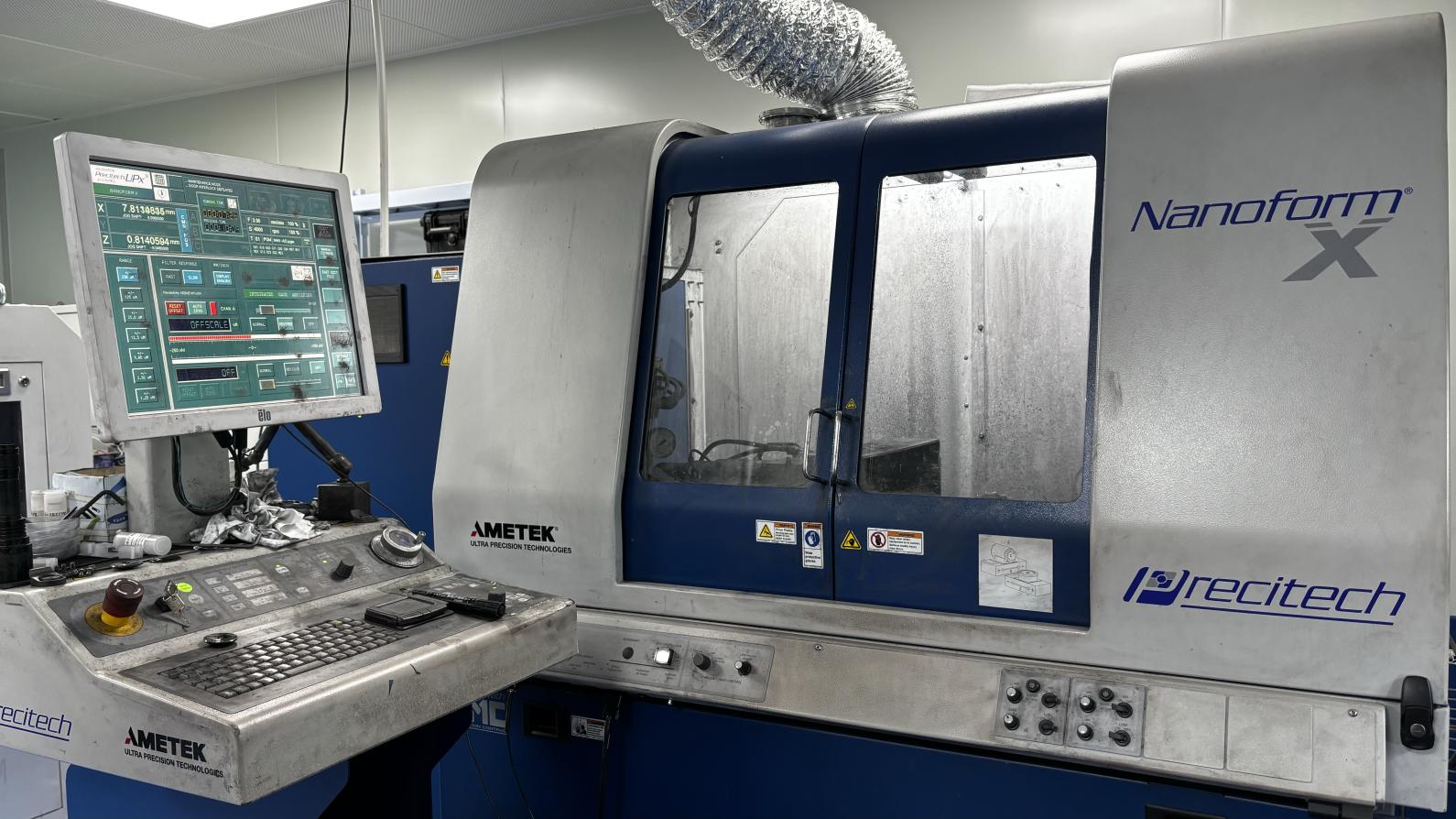
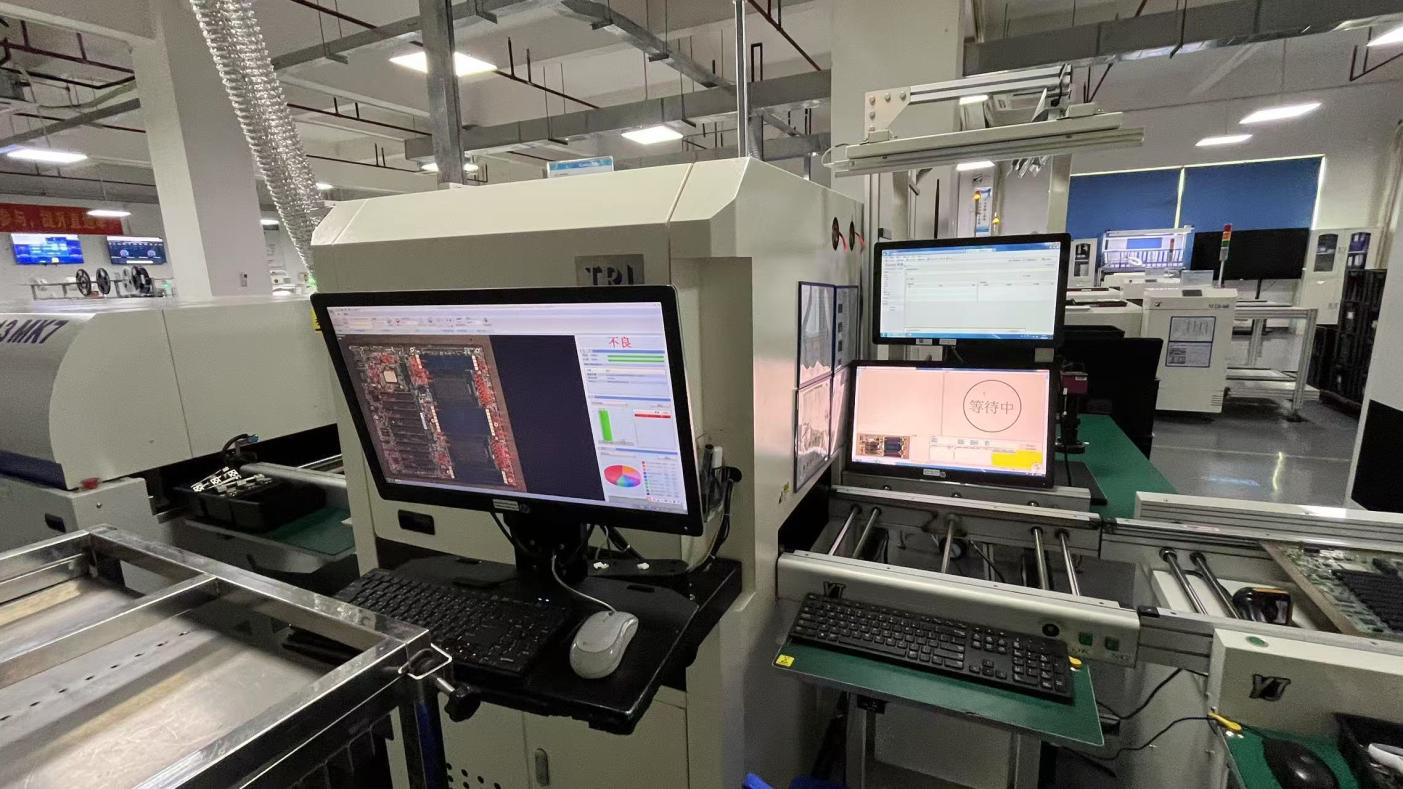
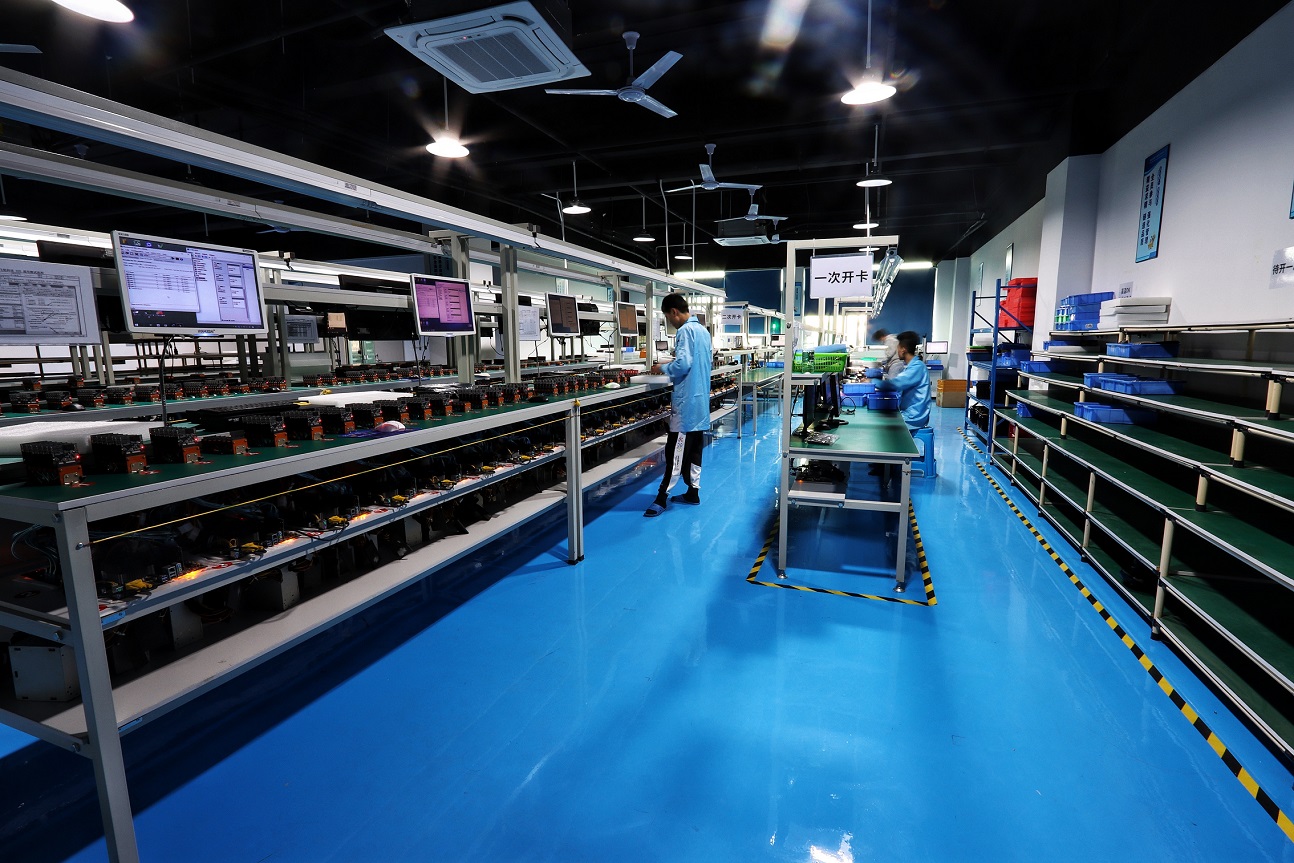
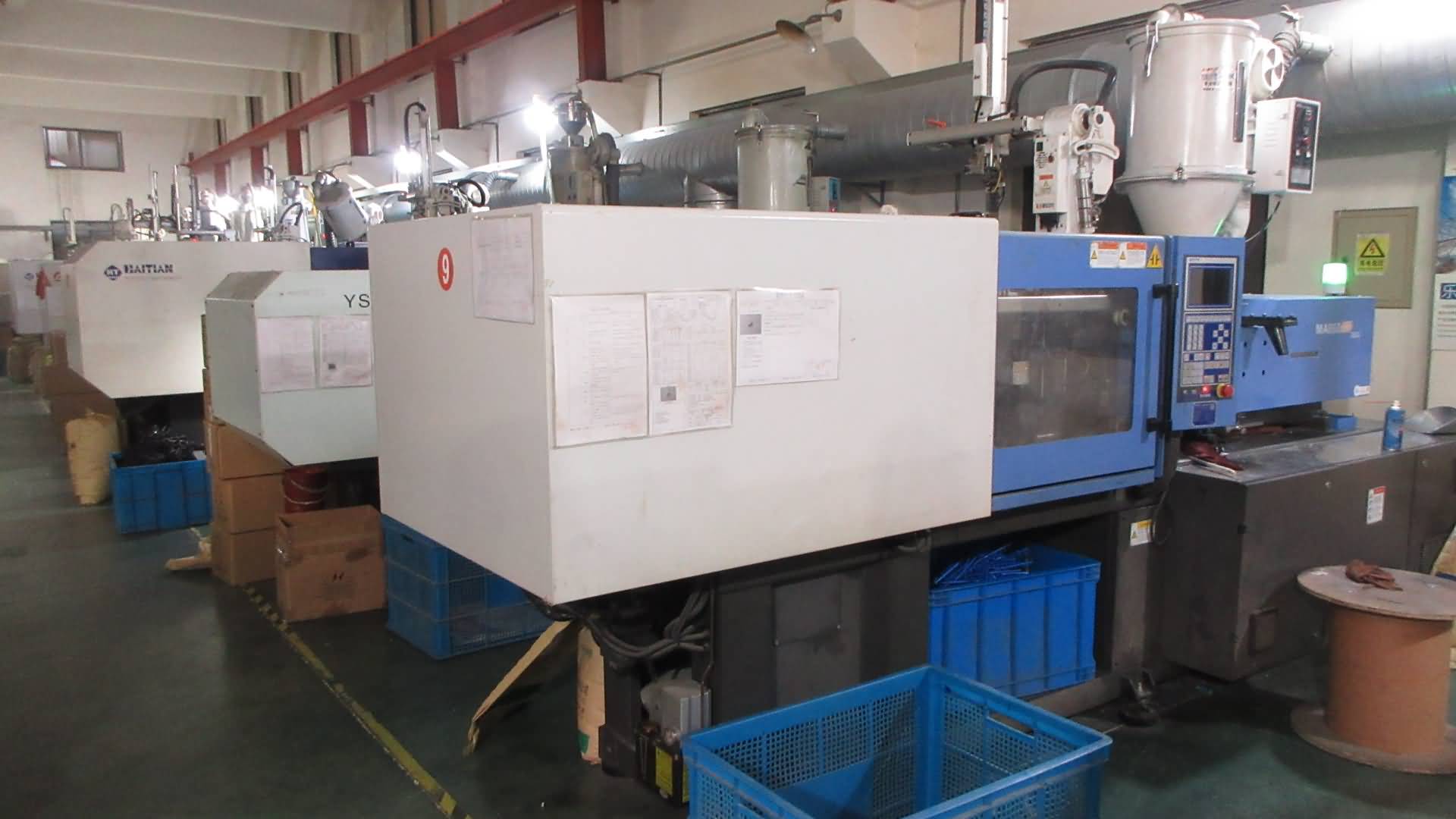
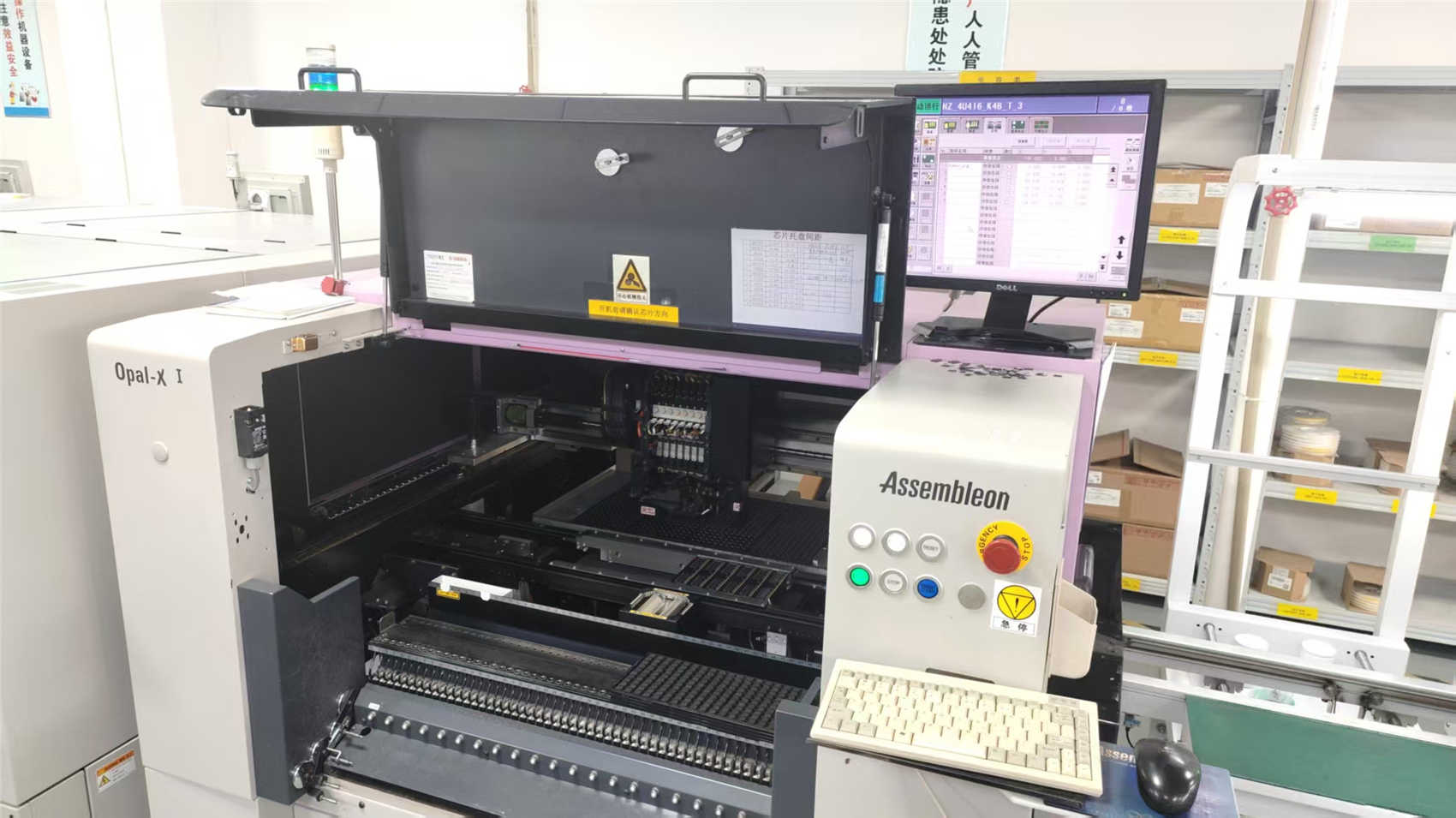
As a global leader in high-performance computing systems, Dynova AI Systems Inc. leverages its state-of-the-art 23,800 m² manufacturing facility in China to deliver world-class server components and server systems to Japanese and global markets. The proximity to the primary semiconductor testing and packaging ecosystems allows us to secure premium components, including original DRAM wafers from tier-one chipmakers, and assemble them using advanced Surface Mount Technology (SMT).
Our manufacturing workflow is characterized by strict quality verification. Every Server RAM module integrated into our servers undergoes a comprehensive testing sequence, which includes:
By blending Chinese manufacturing speed, supply-chain scale, and material cost efficiencies with strict quality controls tailored to Japanese enterprise expectations, Dynova ensures a reliable, cost-effective pipeline of high-density computing platforms and memory components.
State-of-the-Art Facility
Functional & Burn-In Tested
Global Supply Chain Partners
A deep dive into the engineering innovations driving high-performance enterprise memory solutions.
DDR5 memory modules introduce on-module Power Management Integrated Circuits (PMICs), transferring power regulation from the motherboard to the DIMM. This design reduces voltage drops, optimizes thermal performance, and increases data rates up to 5600MT/s and beyond—crucial for CPU cores running virtual machines in Japanese telecom infrastructures.
On-die Error Correction Code (ECC) mitigates single-bit errors inside the DRAM chip before transmitting data to the CPU. For critical operations like financial transactions or medical imaging, this technology avoids system crashes, ensuring maximum uptime and data integrity.
Compute Express Link (CXL) protocol integration allows for memory expansion and pooling across heterogeneous computing systems. In massive GPU clusters processing DeepSeek-based AI workloads, CXL minimizes latency and enables dynamic allocation of system memory pools.
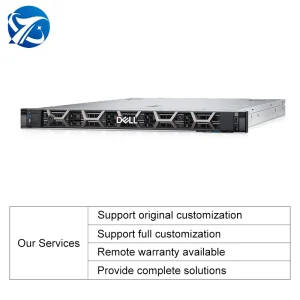
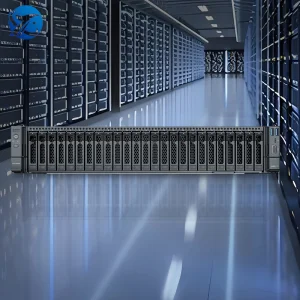
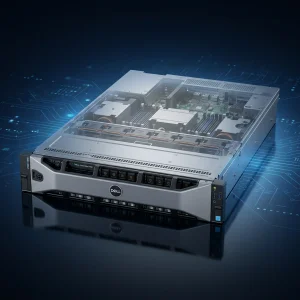
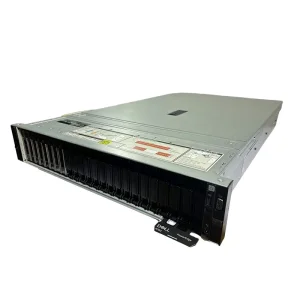
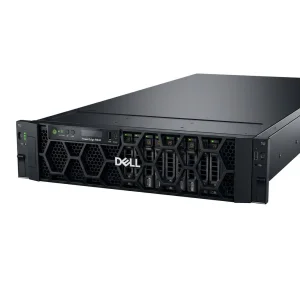
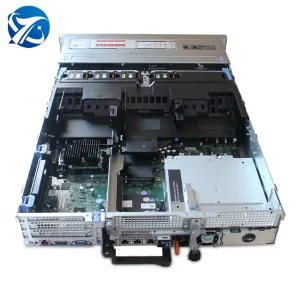
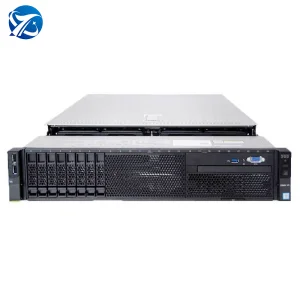
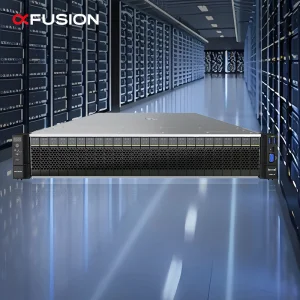
Modern enterprises in Japan face distinct operational environments. Energy efficiency is vital because of localized power limits, and physical space in data centers is highly optimized. Dynova designs tailored memory solutions integrated into 1U and 2U high-density configurations to address these specific scenarios:
1. Ultra-Low Latency Algorithmic Trading (Tokyo Chuo-ku Financial District): For financial institutions running high-frequency trading platforms, our servers integrate low-latency DDR5 configurations that reduce memory bus delays, enabling split-second transaction executions.
2. Smart Automotive Systems & Edge AI (Aichi Industrial Zone): Autonomous driving and industrial IoT require real-time processing of sensor data. Our systems use wide-temperature range components and vibration-resistant chassis designs to ensure reliable performance on factory floors and edge gateway nodes.
3. AI Supercomputing and Deep Learning (Kyoto & Tsukuba Science Cities): Research institutions training advanced AI models, including containerized DeepSeek R1 networks, leverage our GPU servers configured with up to 1TB of high-speed system memory. This configuration provides the bandwidth necessary to feed modern high-end accelerators without throttling throughput.
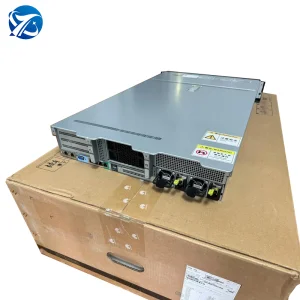
A cloud service provider in Hokkaido aimed to construct a highly efficient data center using natural cooling. Dynova provided 2U rack servers equipped with custom low-power, high-density DDR5 ECC memory modules.
A trusted global manufacturer and technology partner delivering high-performance computing hardware.
Dynova AI Systems Inc. is a professional manufacturer specializing in high-performance AI GPU servers, GPU workstations, and customized computing infrastructure for AI training, AI inference, HPC, cloud computing, and enterprise data centers. Since our establishment in 2017, we have been committed to delivering reliable, scalable, and energy-efficient GPU computing solutions to customers worldwide.
Our modern manufacturing facility covers 23,800 m², integrating advanced production lines, assembly workshops, aging test laboratories, and strict quality control processes to ensure every server meets international standards. With an annual export revenue of approximately USD 28 million, Dynova has built strong partnerships with distributors, system integrators, AI solution providers, universities, research institutes, and enterprise customers across global markets.
Technical guidance and commercial purchasing insights for system integrators and IT buyers in Japan.
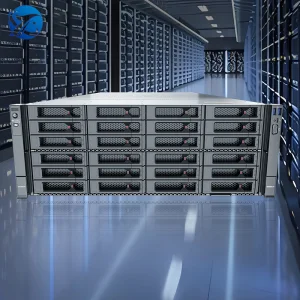
Browse our complete list of high-availability AI nodes, GPU servers, and core infrastructure equipment compatible with localized Japanese networks.
Get in touch with our global technical engineering team to customize memory timings, module densities, or request pricing for containerized server shipments.