Dynova
Dynova
Dynova
Powering real-time video analytics, biometric verification, and deep learning algorithms for next-generation enterprise access systems.
Industrial-Grade Computing Foundations for Mission-Critical Environments
Dynova AI Systems Inc. is a professional manufacturer specializing in high-performance AI GPU servers, GPU workstations, and customized computing infrastructure for AI training, AI inference, HPC, cloud computing, and enterprise data centers. Since our establishment in 2017, we have been committed to delivering reliable, scalable, and energy-efficient GPU computing solutions to customers worldwide.
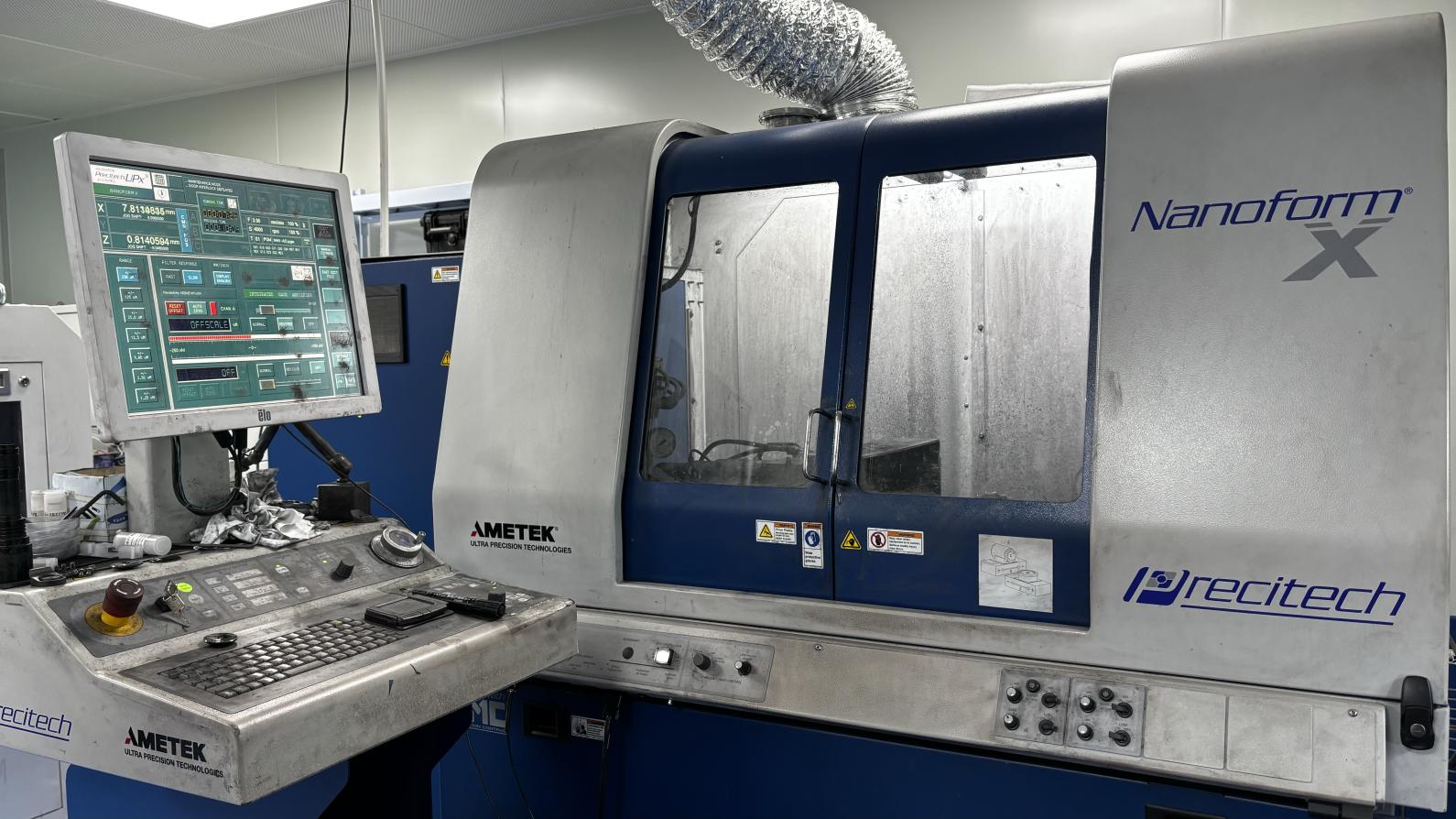
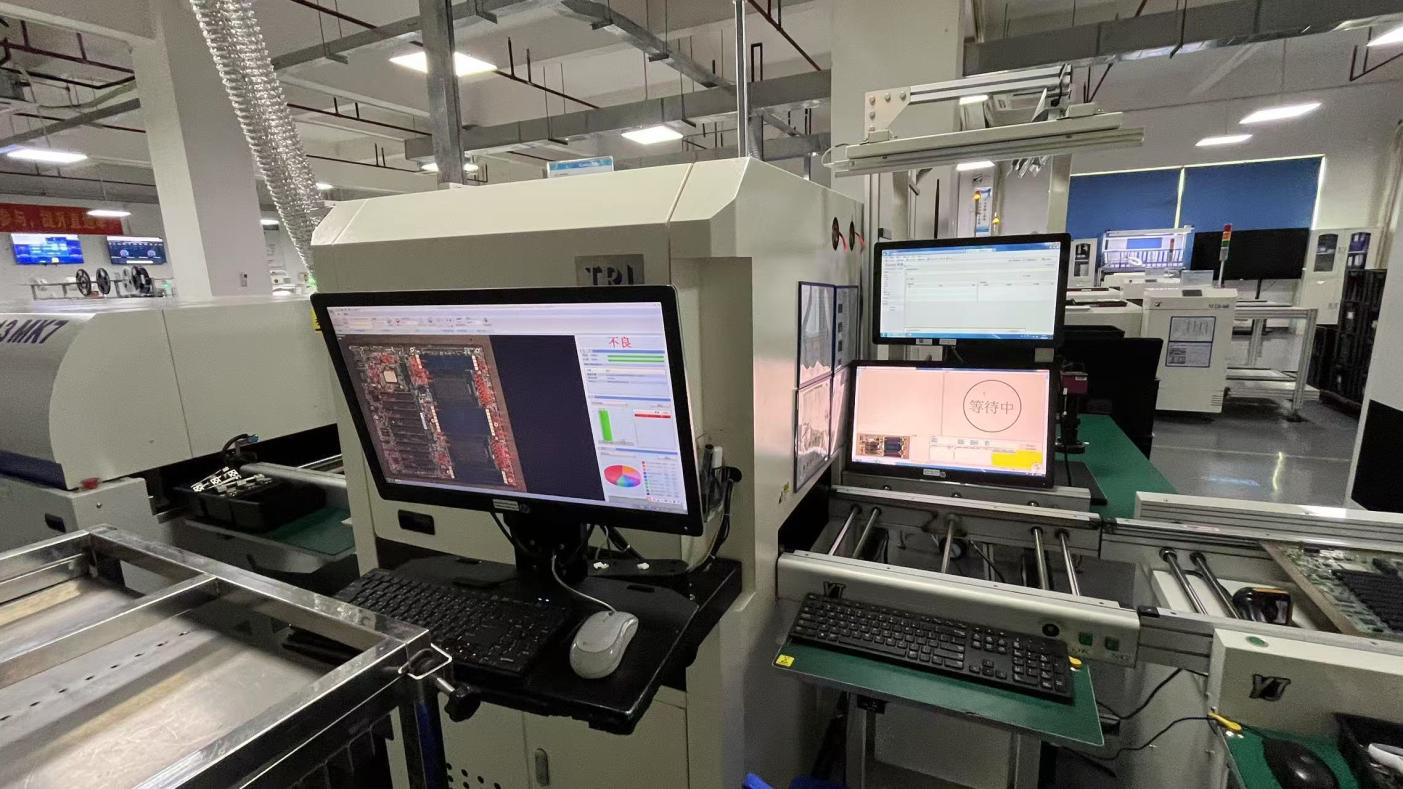
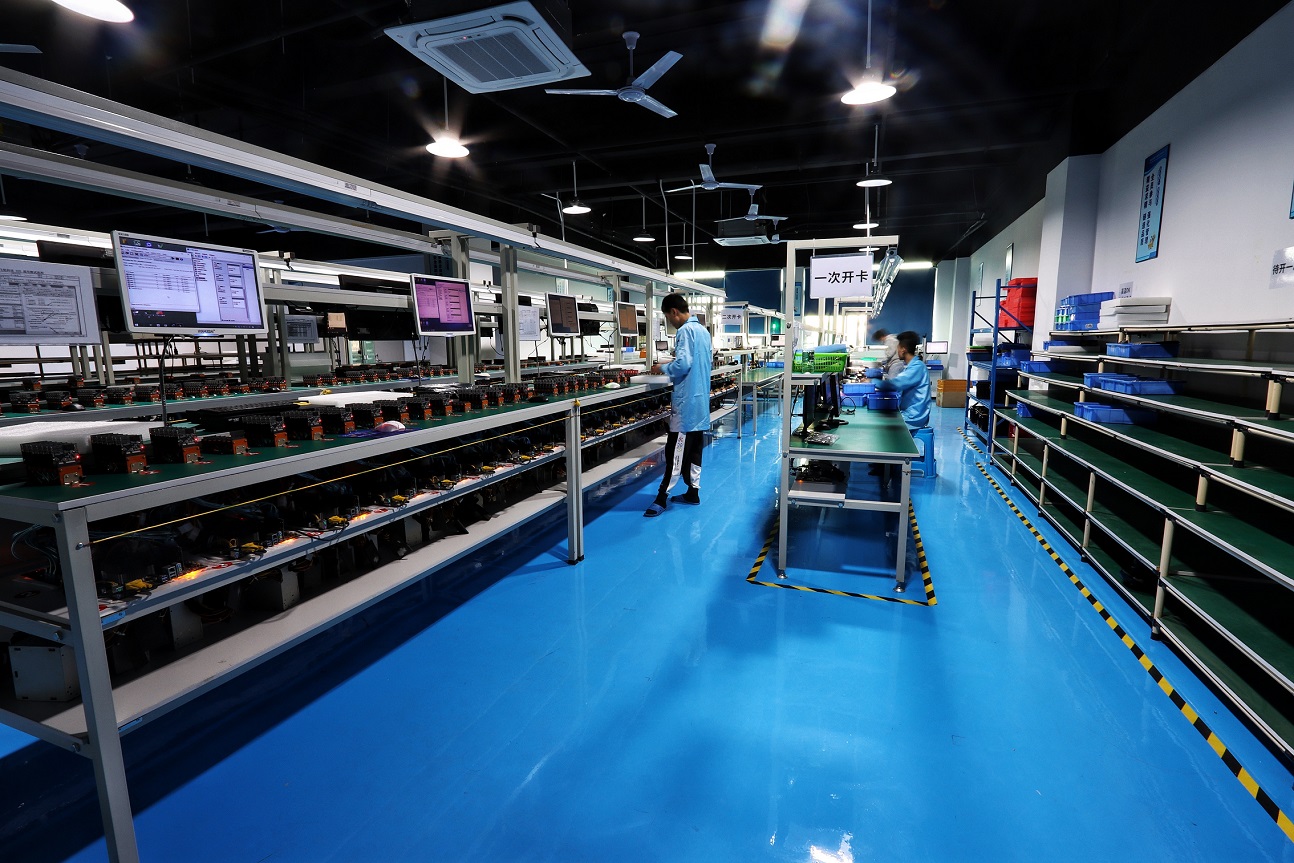
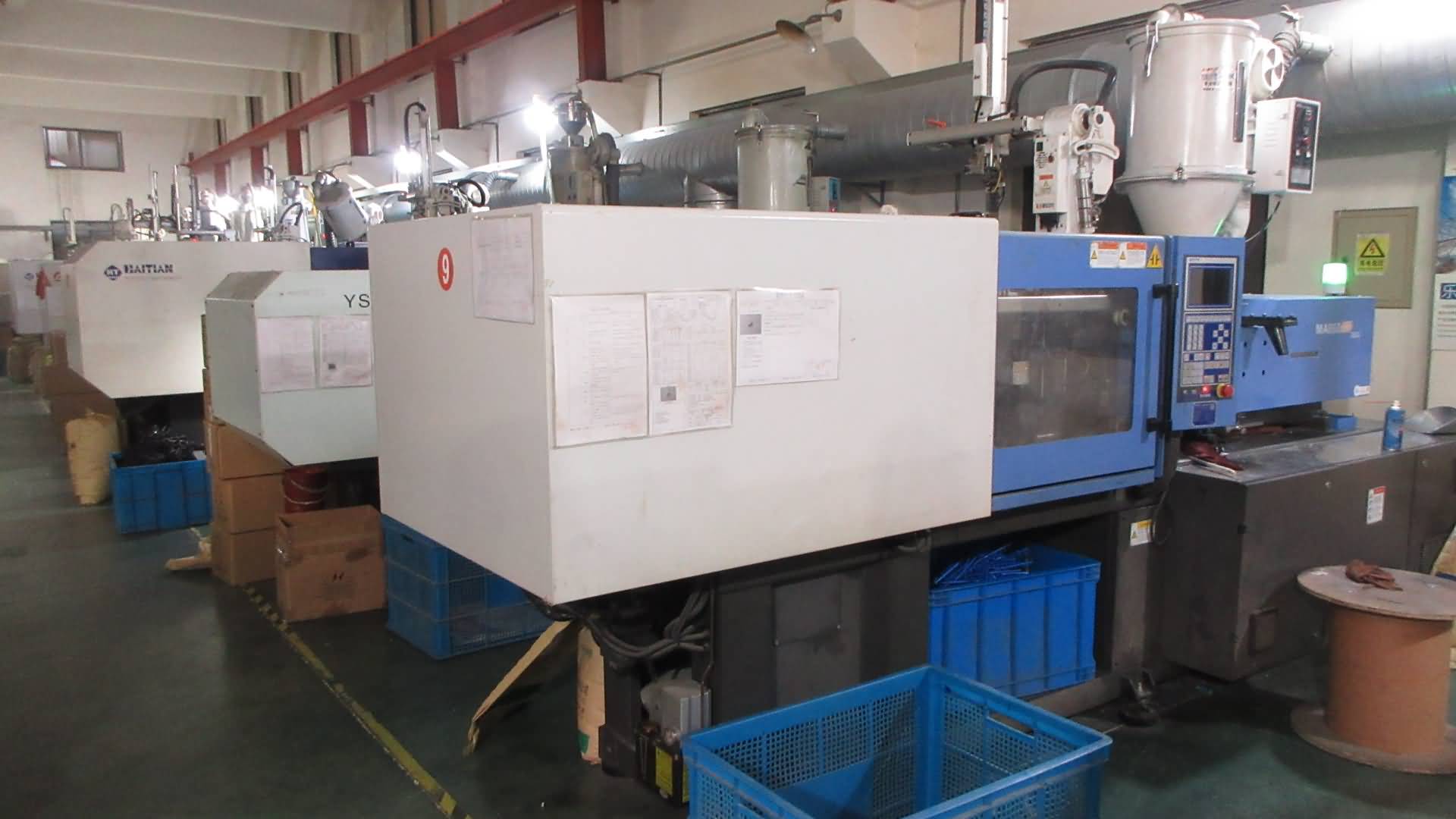
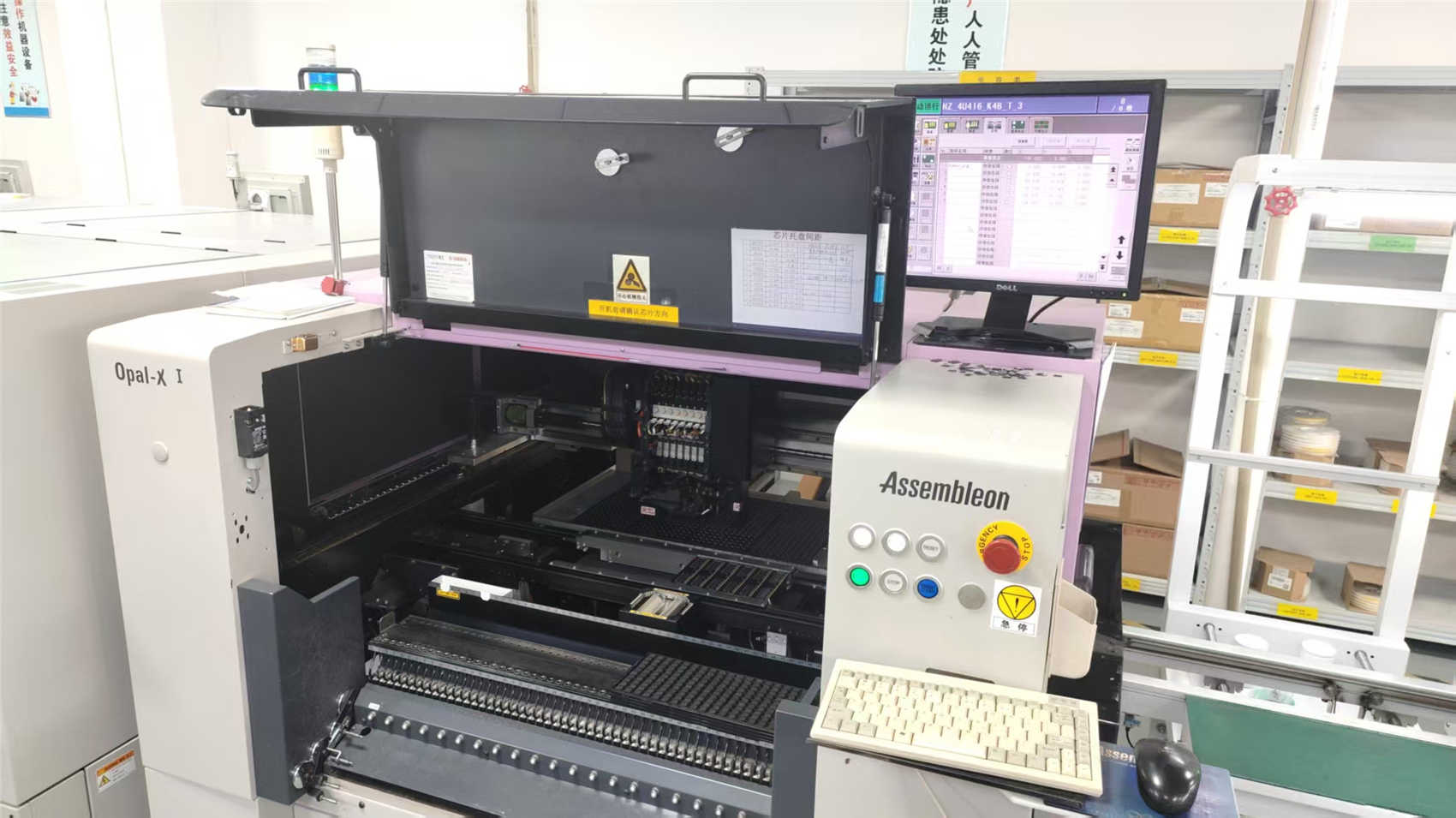
Our modern manufacturing facility covers 23,800 m², integrating advanced production lines, assembly workshops, aging test laboratories, and strict quality control processes to ensure every server meets international standards. With an annual export revenue of approximately USD 28 million, Dynova has built strong partnerships with distributors, system integrators, AI solution providers, universities, research institutes, and enterprise customers across global markets.
Supported by 8 years of export experience and 9 years of industry expertise, we continuously invest in research and development to provide innovative GPU server platforms compatible with leading accelerator technologies. Our experienced engineering team enables flexible ODM and OEM services, allowing customers to customize CPU platforms, GPU configurations, memory, storage, networking, chassis, cooling systems, branding, and software integration.
| Enterprise Profile Overview | |
|---|---|
| Quality Control Staff | 58 Inspectors (100% Functional & Burn-in Testing) |
| Main Markets | North America, Western Europe, Southeast Asia, Middle East, Australia |
| New Products (Last Year) | 186 Released Solutions |
| Customization Options | OEM, ODM, Private Label, Hardware Configuration, Chassis Design |
Understanding the transition from traditional RFID credentials to AI-driven, multi-modal biometric identity authentication environments.
The global physical security landscape is undergoing a massive paradigm shift. Traditional Access Control Systems (ACS) that rely solely on proximity cards, Wiegand interfaces, and local controllers are rapidly being replaced by intelligent identity verification environments. Modern architectures integrate IP-based hardware, mobile credentials, multi-modal biometrics (facial recognition, iris scanning, and fingerprint verification), and real-time edge processing.
As commercial and industrial facilities scale up their operations, security professionals face a critical bottleneck: processing power. Running deep neural networks (DNNs) for instantaneous facial recognition at hundreds of turnstiles or access points requires not just standard controllers, but a robust backend server infrastructure. Large enterprise campuses, government offices, and high-security zones are deploying high-performance GPU and deep learning servers locally or in hybrid clouds to manage security databases, authenticate biometric patterns in milliseconds, and ensure Zero-Trust network paradigms.
According to recent global security hardware analyses, the integration of Artificial Intelligence (AI) and Machine Learning within access control platforms will see a compound annual growth rate (CAGR) of over 18% through 2030. Industry stakeholders are prioritizing manufacturers and suppliers who can provide both the physical access points (readers, controllers, locks) and the highly integrated high-performance computing hardware (GPU racks, multi-node storage) needed to sustain massive data throughput without latency.
Exploring the integration of hardware interfaces, protocol layers, and advanced processing backend solutions.
Replacing vulnerable legacy Wiegand interfaces, OSDP utilizes secure bidirectionally encrypted communication (AES-128) between the reader and the control panel, ensuring resistance against sniffing and MITM attacks.
By distributing facial detection templates directly to regional nodes, latency is minimized. Centralized deep learning clusters (utilizing multi-socket high-density server nodes) maintain master templates and handle model updates.
No device is inherently trusted. Modern controllers authenticate dynamically, requiring cryptographic handshakes before granting relay activation for magnetic locks, turnstiles, and speed gates.
Deploying integrated enterprise access systems, compute infrastructure, and management layers.
Data centers represent the highest tiers of physical security requirements. Standard badge entry is insufficient. Multi-modal biometrics (combining dual-authentication cards with iris or facial geometry validation) are required at the perimeter fence, building entry, inner corridors, and individual server cage doors. Backend processing demands highly scalable, reliable storage networks and high-throughput server infrastructures to run perpetual video auditing (VMS) integrated with access logs, ensuring comprehensive compliance with SOC2, ISO 27001, and HIPAA regulations.
For corporate headquarters, user convenience must balance robust security. Mobile credentials using Bluetooth Low Energy (BLE) or Near Field Communication (NFC) permit employees to navigate lobbies, turnstiles, and elevators touchlessly. Visitors receive dynamic QR codes via email with limited expiration times. By leveraging advanced GPU and multi-core server structures at the local control room, building management can process real-time occupant counts, optimize HVAC and lighting, and trace ingress/egress patterns during emergency evacuation events.
Oil & gas fields, electrical substations, and large-scale manufacturing facilities require ruggedized access control hardware. Controllers and reader nodes must withstand extreme temperatures, corrosion, and power surges. Additionally, remote locations require independent local databases inside controllers to maintain access capability even during WAN outages. central processing hubs rely on high-performance Xeon-based rack units and advanced RAID storage nodes to back up historical logs, event snapshots, and biometric templates across thousands of endpoints.
The path to next-generation access systems: Converging Cloud capabilities and AI inference.
| Time Horizon | Primary Technology Focus | Infrastructure & Server Node Requirements | Impact on End-User Operations |
|---|---|---|---|
| 2025 - 2026 | Decentralized Mobile & Wallet Credentials | High-density CPU clusters with secure enclaves for key management. | Elimination of physical cards; seamless, secure verification via smartphones and wearable devices. |
| 2027 - 2028 | Multimodal Face & Gait Recognition Integration | GPU-accelerated Edge nodes and high-performance neural computing racks. | Non-cooperative, friction-free movement monitoring with high accuracy rates under challenging lighting. |
| 2029 - 2030 | Quantum-Resistant Encrypted Communications | Next-generation cryptographic processors and quantum-safe hardware tokens. | Prevention of packet-interception and decryption by potential quantum computing entities. |
Aligning physical and digital infrastructure with international safety and security standards.
When sourcing access control controllers, readers, and their corresponding computation server frames, compliance with global security regulations is non-negotiable. Modern security systems must meet several compliance guidelines:
To ensure compliance, Dynova's manufacturing process implements a strict quality assurance system run by 58 dedicated quality assurance inspectors. 100% of the hardware undergoes functional verification, high-temperature thermal testing, burn-in testing, and software compatibility validations to guarantee flawless execution in mission-critical environments.
Providing clear answers to critical industry questions surrounding enterprise physical security integration.
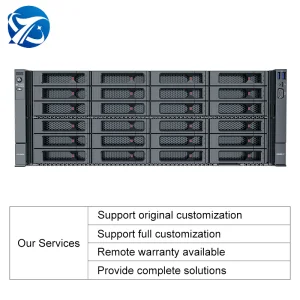
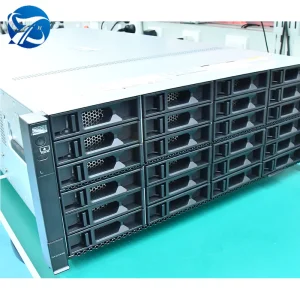
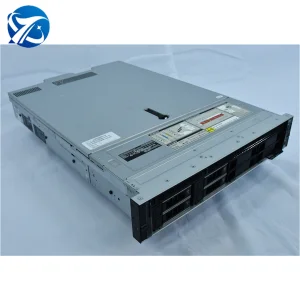
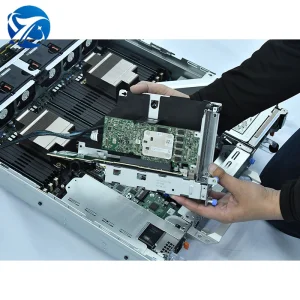
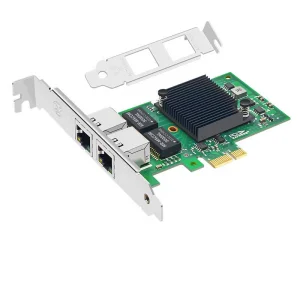
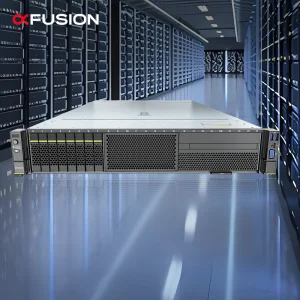
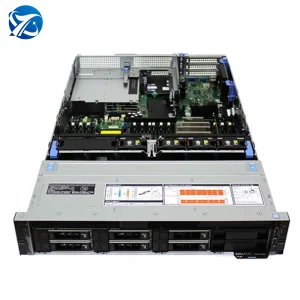
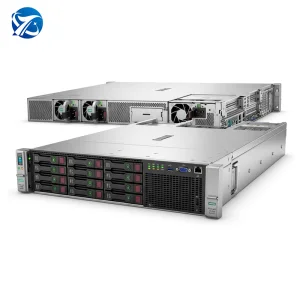
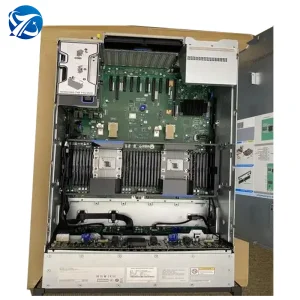
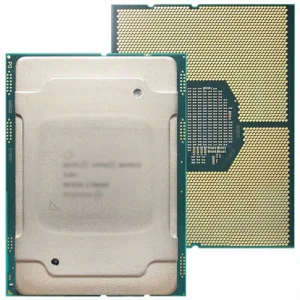
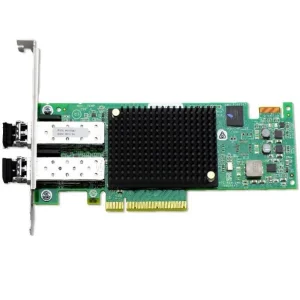
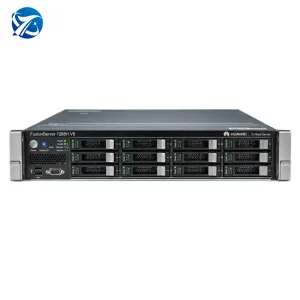
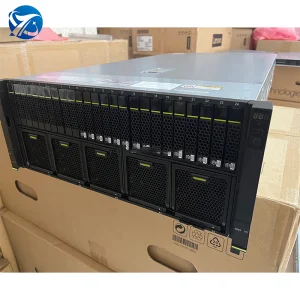
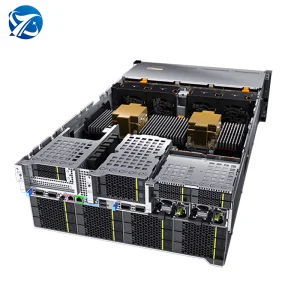
Explore our full line of rack servers, accelerators, and array cards designed for complex enterprise databases.
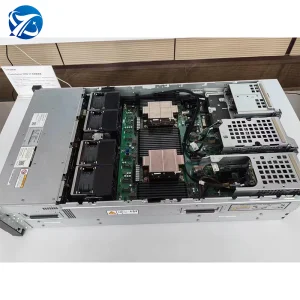
Inside our manufacturing workshops, component aging facilities, and shipping depots.