Dynova
Dynova
Dynova
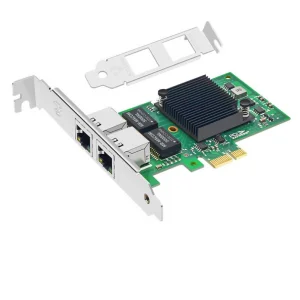
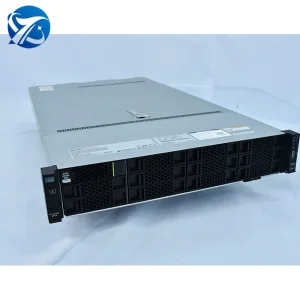
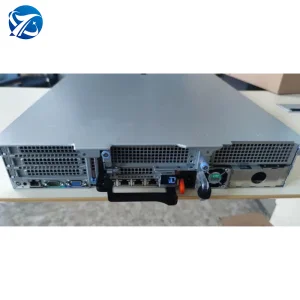
The industrial landscape is undergoing a massive paradigm shift. The integration of Industrial IoT (IIoT) devices, powered by robust cloud backbones and decentralized edge servers, has redefined modern telemetry. Across manufacturing floors, oil fields, automated logistics hubs, and green energy facilities, IIoT networks now manage high-velocity data points requiring real-time localized processing. Traditional IoT frameworks relied purely on remote cloud computing. However, latency constraints, bandwidth consumption, and security policies have forced a transformation toward localized edge computing systems.
Today's industrial wholesale buyers are not merely purchasing standalone telemetry boards; they require deep system integration capable of supporting complex machine learning (ML) models, continuous data acquisition, and robust hardware resilience. Standard enterprise servers are increasingly redeployed to act as IIoT localized aggregators, processing telemetry from hundreds of factory sensors before relaying refined metrics to central databases. Dynova AI Systems Inc. bridges the gap between hardware infrastructure and IIoT implementation by engineering the dense, high-performance compute nodes required to run these decentralized networks.
Processing sensor data directly at the industrial edge reduces network latency from seconds to milliseconds, enabling split-second corrective actions on the assembly line.
Industrial server systems are designed to operate under harsh conditions, utilizing advanced thermal controls, high-density storage arrays, and redundant power supplies.
With custom architectures designed to run containerized AI workloads and DeepSeek AI pipelines, our servers enable real-time anomaly detection and predictive maintenance.
Dynova AI Systems Inc. is a professional manufacturer specializing in high-performance AI GPU servers, GPU workstations, and customized computing infrastructure for AI training, AI inference, HPC, cloud computing, and enterprise data centers. Since our establishment in 2017, we have been committed to delivering reliable, scalable, and energy-efficient GPU computing solutions to customers worldwide.
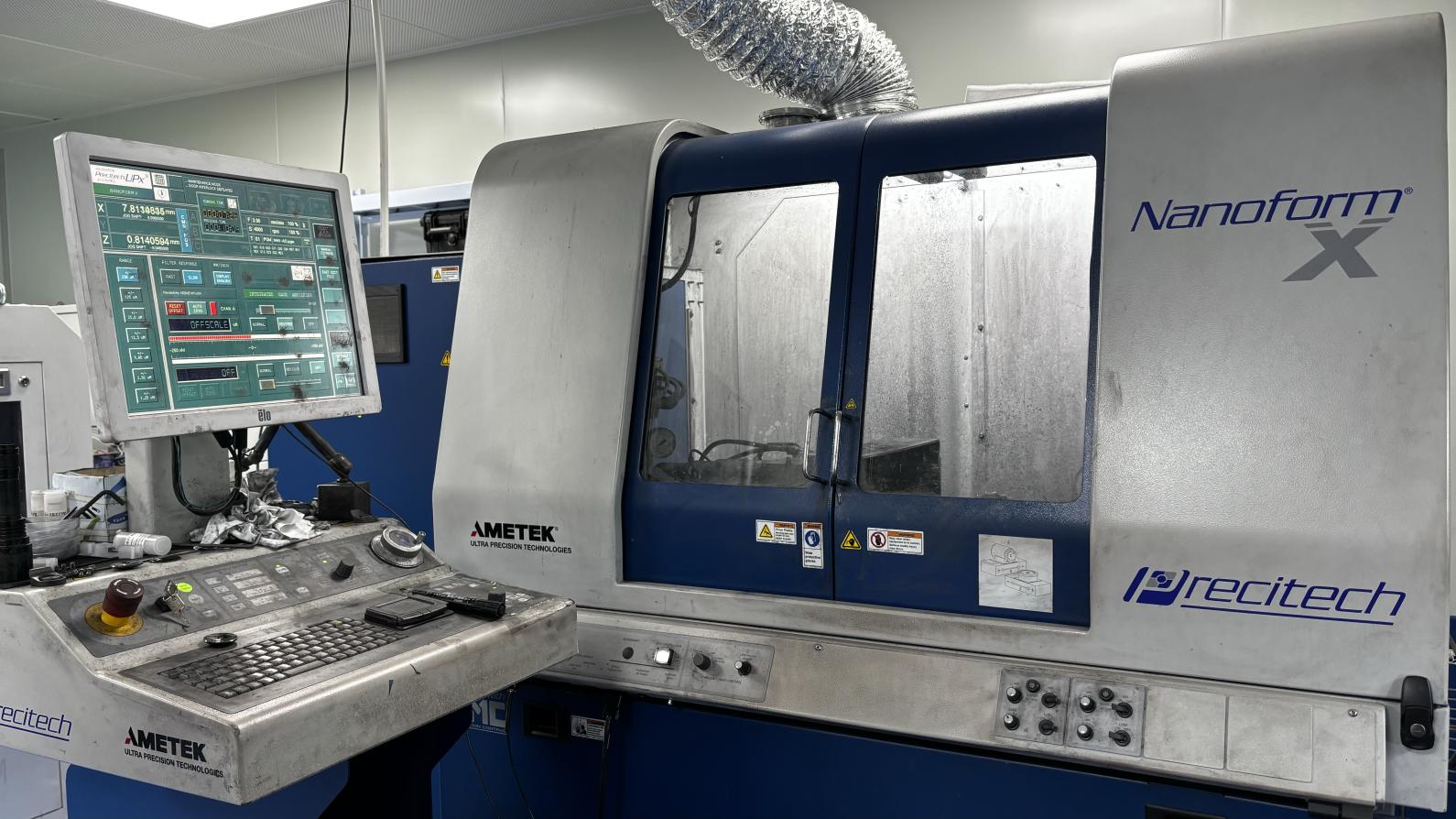
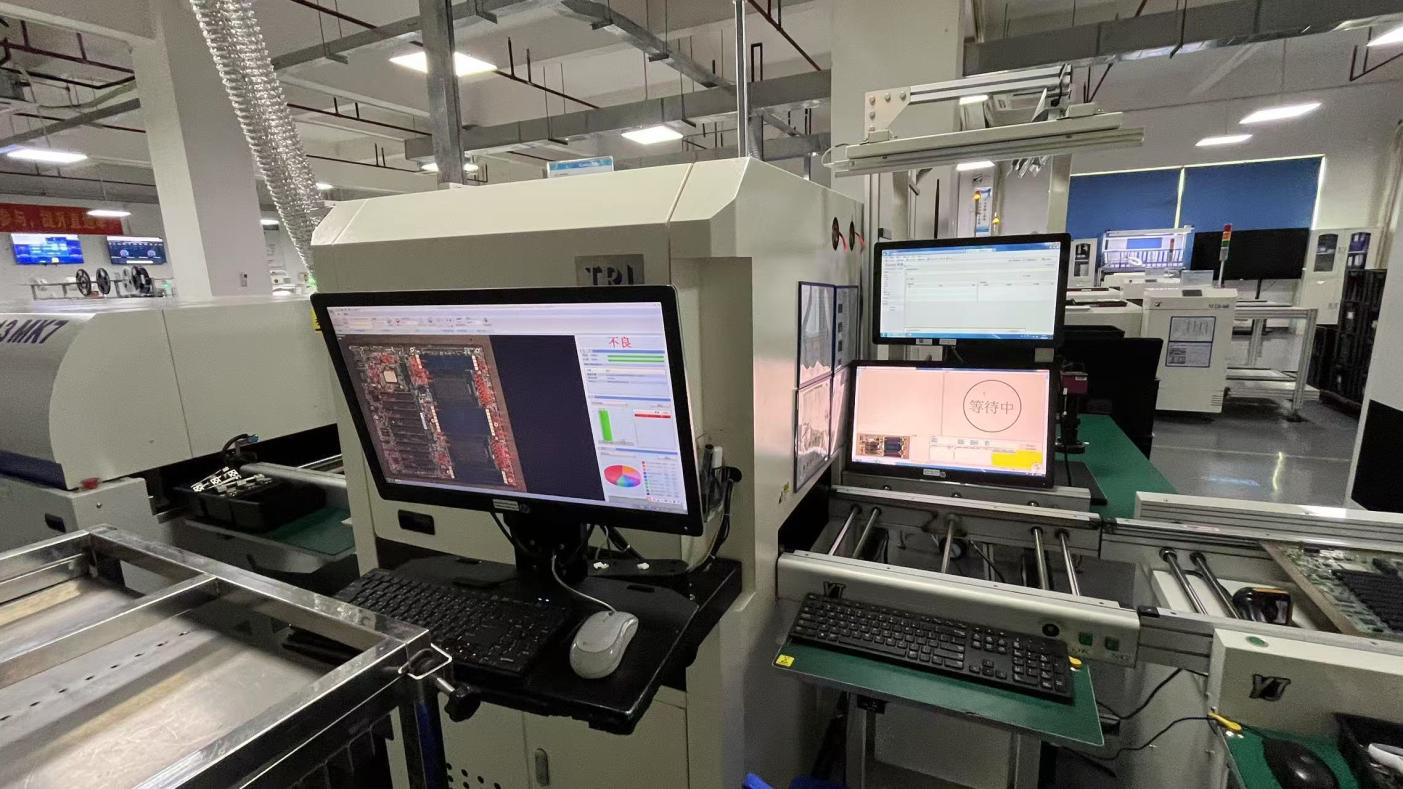
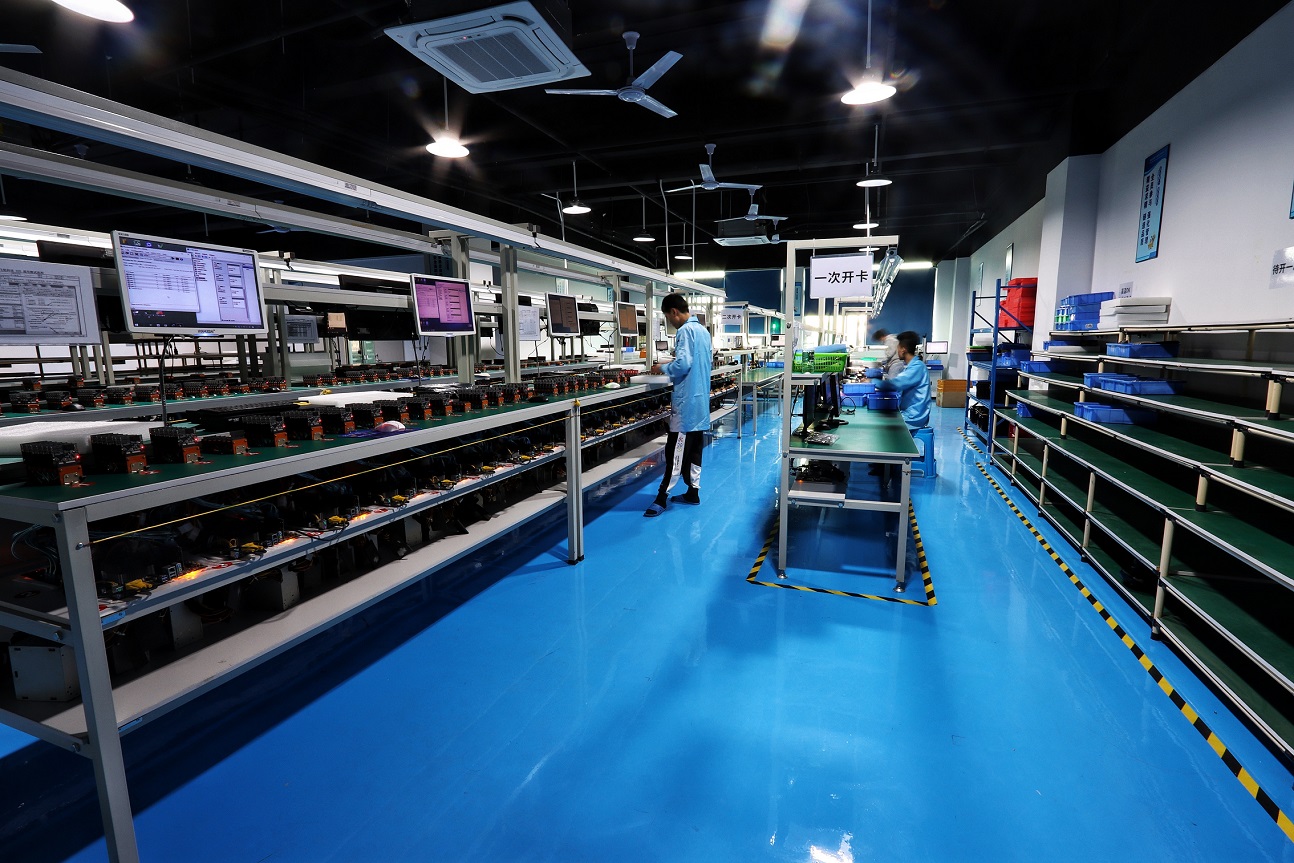
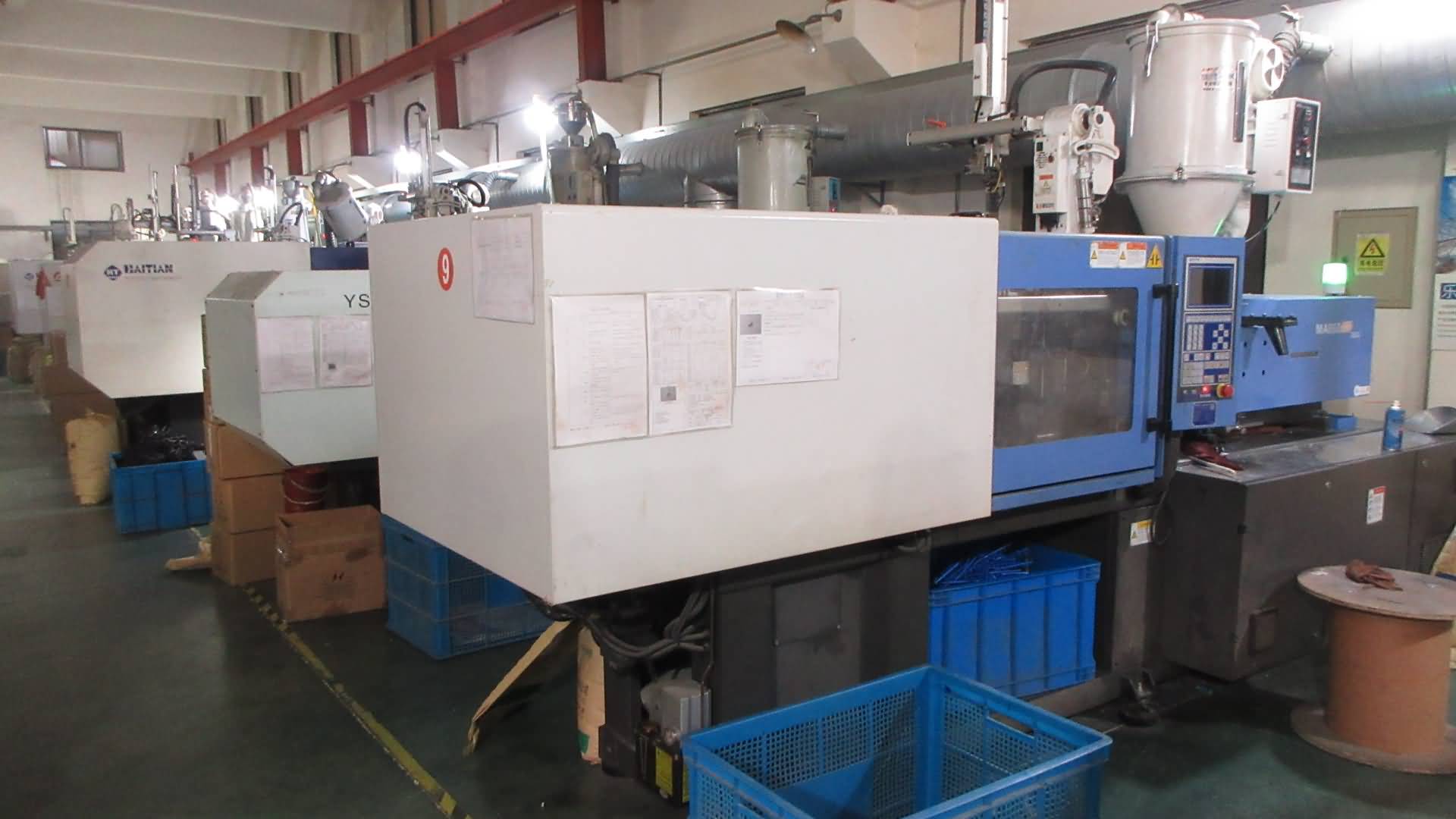
Our modern manufacturing facility covers 23,800 m², integrating advanced production lines, assembly workshops, aging test laboratories, and strict quality control processes to ensure every server meets international standards. With an annual export revenue of approximately USD 28 million, Dynova has built strong partnerships with distributors, system integrators, AI solution providers, universities, research institutes, and enterprise customers across global markets.
Supported by 8 years of export experience and 9 years of industry expertise, we continuously invest in research and development to provide innovative GPU server platforms compatible with leading NVIDIA and AMD accelerator technologies. Our experienced engineering team enables flexible ODM and OEM services, allowing customers to customize CPU platforms, GPU configurations, memory, storage, networking, chassis, cooling systems, branding, and software integration.
Quality is at the core of everything we do. Our products undergo 100% functional testing, burn-in testing, thermal performance verification, compatibility validation, and reliability testing before shipment. A dedicated quality assurance team of 58 inspectors ensures every product delivers consistent performance and long-term stability.
Dynova maintains close cooperation with more than 1,260 supply chain partners, enabling efficient procurement, rapid production, and reliable global delivery. Last year, our R&D team successfully launched 186 new products, supported by 142 experienced R&D engineers focused on next-generation AI computing technologies.
Deploying localized IIoT ecosystems requires a layered hardware stack. The edge devices (gateways, PLC controllers, vibration sensors) generate unstructured raw telemetry that must be consolidated, structured, and analyzed. Dynova’s server architectures serve as the heavy-duty localized hardware layer. Below are the primary application scenarios where IIoT and high-performance server grids converge:
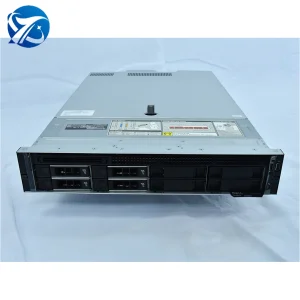
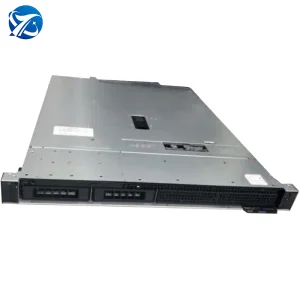
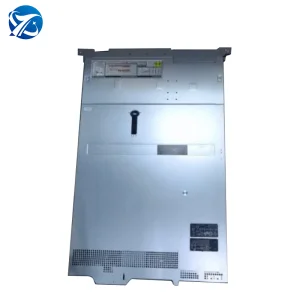
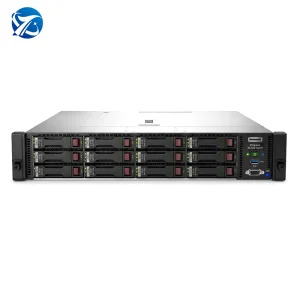
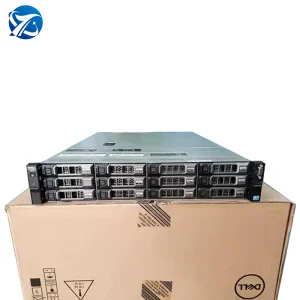
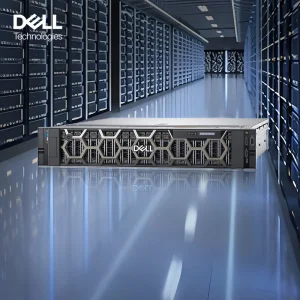
Industrial machinery generates continuous vibrational, acoustic, and thermal logs. Micro-sensors transmit these readings via LoRaWAN or Industrial Ethernet to local servers like the PowerEdge R350 or HPE ProLiant Gen12. Armed with AI inferencing GPUs, these servers detect micro-anomalies that point to component fatigue, allowing scheduling of preventative maintenance before catastrophic downtime occurs.
Smart grids monitor energy flows, voltage fluctuations, and transformer load levels. Edge servers deployed at substations perform localized analytics on thousands of sensor messages. Utilizing high-speed cache controllers like the 9560-8I 8-port RAID Card, these stations record massive historical datasets locally, ensuring zero data loss during network dropouts.
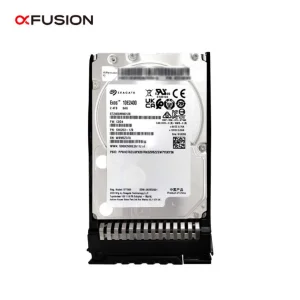
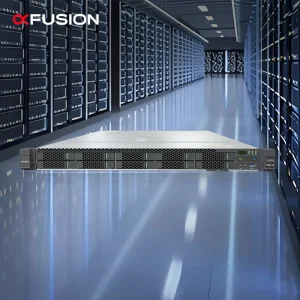
Modern distribution warehouses rely on Autonomous Mobile Robots (AMRs), RFID gateways, and high-speed sorting cameras. Computing systems mounted directly in logistics facilities must handle continuous image recognition, sensor fusion, and path planning. Custom xFusion server racks provide the raw computing power and storage capability to keep automated depots functioning 24/7 with zero communication lag.
Purchasing wholesale Industrial IoT devices and server components from China offers unparalleled strategic advantages. The industrial ecosystems in Shenzhen and neighboring tech hubs provide structural benefits that cannot be replicated elsewhere:
1. Vertically Integrated Ecosystems: The proximity of component fabricators, PCB assembly lines, casing manufacturers, and testing facilities ensures a highly efficient production lifecycle. Dynova leverages this ecosystem to manage relationships with over 1,260 supply chain partners. This network allows for the rapid sourcing of critical semiconductor sub-assemblies, reducing standard turnaround times by up to 40% compared to Western manufacturers.
2. Agility in Prototyping and Customization: In the industrial market, off-the-shelf equipment rarely fits specialized deployment conditions. Our team of 142 R&D engineers designs custom BIOS modifications, thermal cooling blocks, and firmware-level features to suit complex environments. Last year alone, this agility resulted in the rollout of 186 new products tailored to the evolving demands of our global customer base.
3. Advanced Testing Facilities: Scale without rigorous quality control invites critical failures on the factory floor. Every unit leaving the Dynova assembly line undergoes an exhaustive QA protocol. Our 58 dedicated quality control inspectors run units through a battery of tests including high-temperature burn-in tests, physical vibration tests, system compatibility diagnostics, and deep storage write-read verifications. This process ensures that every device meets international stability standards before shipping.
As we transition into the next era of industrial automation, Dynova AI Systems Inc. is proactively developing hardware aligned with next-generation architectural trends:
Deploying Chinese manufactured hardware into global networks demands compliance with stringent regulatory frameworks. Dynova AI Systems Inc. ensures all custom products and server configurations meet necessary localized certification standards:
Our engineering pipelines design products to comply with CE, FCC, RoHS, UL, and VCCI standards. This guarantees that importing our wholesale server equipment is streamlined, meeting the environmental, safety, and electromagnetic interference rules of major international markets.
We work with international system integrators and distributors to ensure quick replacement parts, technical support, and hardware updates are handled promptly. This structured support network helps minimize downtime in critical industrial deployments.

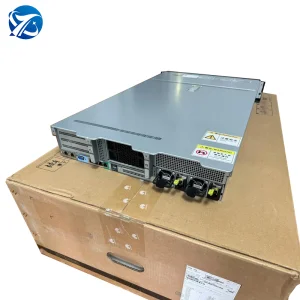
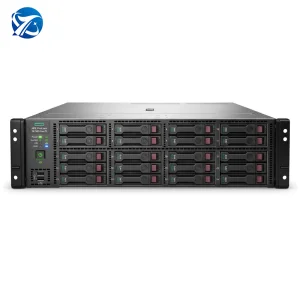
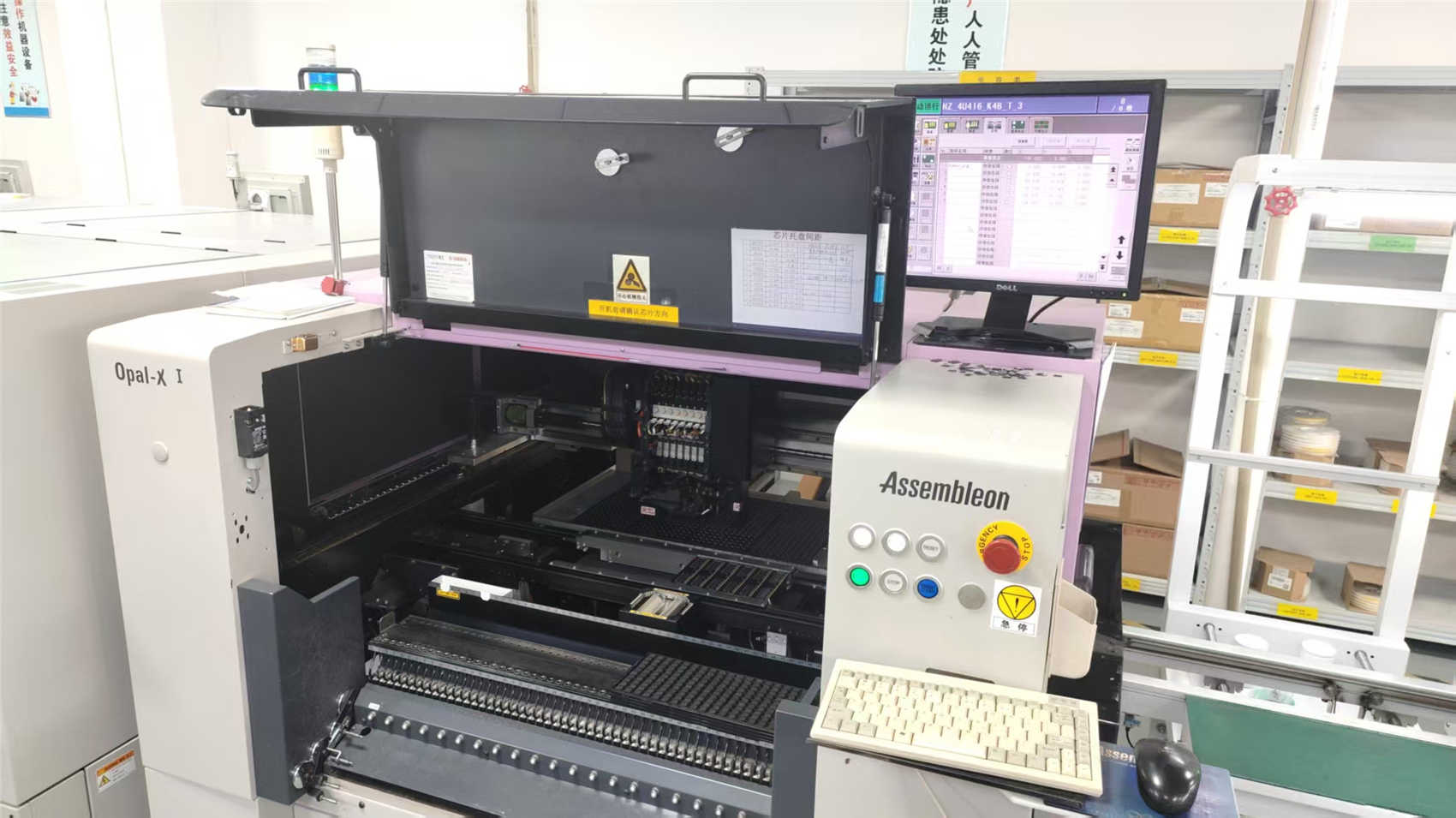
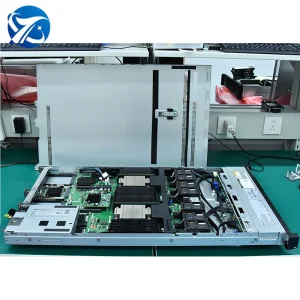
Take a virtual tour of Dynova AI Systems Inc.'s manufacturing plant. Below are real-world images showcasing our advanced facilities, hardware assembly operations, cleanrooms, and testing bays.